
Compare models
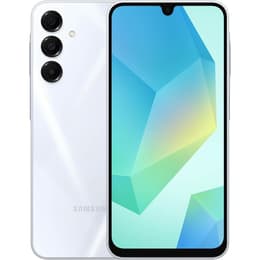
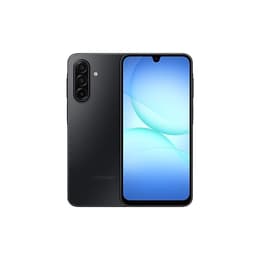
Galaxy A16 • Unlocked vs Galaxy A17 • Unlocked
- 1-year warranty
- Free standard shipping
- Free 30-day returns
Differences at a glance
The Samsung Galaxy A16 (2024) and the Samsung Galaxy A17 (2025) represent successive generations of dependable, everyday smartphones designed to balance essential features with accessible utility. While they share a similar overall design language and screen dimensions, the Galaxy A17 introduces a slimmer profile, a refreshed software starting point, and extended long-term update commitments that set it apart from its predecessor.
Both devices run on the Android operating system paired with Samsung's One UI interface, providing familiar navigation and application compatibility across both models. This comparison explores their practical characteristics to help users determine which device best aligns with their daily needs.
Available Models
Color
Storage (GB)
Scores
Durability
When examining longevity and durability, both smartphones offer robust hardware and extended software backing, though the newer model expands on update commitments. Here is how their life expectancy profiles compare:
- Software Support Timelines: The Galaxy A16 provides multi-year software backing, whereas the Galaxy A17 extends this coverage further, promising an even longer duration of major system upgrades and security patches for sustained software relevance.
- Build and Materials: Both models incorporate durable glass fronts and reinforced polymer backs designed to handle daily wear, while the Galaxy A17 features a slightly thinner chassis that maintains structural rigidity.
- Expected Practical Lifespan: Thanks to energy-efficient processors and ample battery capacity, both units maintain reliable day-to-day functionality over several years of standard usage.
Release Year
2024
2025
Last OS Compatibility
Yes
No
OS
Android
Android
Performance
Performance capabilities dictate how smoothly each device handles everyday multitasking, browsing, and media consumption. The two models approach daily computing tasks with similar hardware foundations:
- Multitasking and App Loading: Both devices handle standard web browsing, social media applications, and routine background tasks smoothly, with configurable RAM options ranging from moderate to higher capacities to suit varied user workflows.
- Storage Configurations: Users can select from ample internal storage tiers on both models, with expandable storage via microSD card support available for accommodating large media libraries and documents.
- Battery Behavior: Each smartphone houses a large 5000mAh battery paired with power-efficient internals, comfortably sustaining a full day of mixed usage under typical conditions before requiring a recharge.
Screen quality
Visual experience is a strong suit for both smartphones, as they utilize similar display panels designed for crisp clarity and smooth motion handling. Their screen characteristics compare as follows:
- Display Technology: Both models feature a vibrant Super AMOLED display that delivers deep contrast levels, sharp details, and rich colors for reading, viewing photos, and watching videos.
- Refresh Rate and Motion: Each device supports a 90Hz refresh rate, ensuring smooth scrolling through web pages and fluid animations during everyday menu navigation.
- Outdoor Visibility: Panel brightness levels on both smartphones allow content to remain legible under varying lighting conditions, including bright outdoor environments.
Resolution
1080 x 2340
1080x2340
Audiovisual
Imaging and audio hardware on these devices cater to casual photography, video calls, and media playback needs. Their media capabilities break down into several practical areas:
- Main Photography: Both smartphones feature a 50-megapixel primary rear sensor that captures clear, detailed everyday photos in favorable lighting conditions, accompanied by supporting ultra-wide and macro lenses.
- Video and Audio Output: Video recording runs reliably at standard high-definition resolutions, while integrated mono or stereo speaker configurations deliver clear sound for hands-free calls and casual video viewing.
- Selfie Performance: Front-facing camera sensors on both models provide clean detail for video conferencing and self-portraits.
Miscellaneous
Practical day-to-day usability involves connectivity standards, physical dimensions, and security sensors that shape the user experience. Key physical and functional traits include:
- Connectivity and Ports: Both units support fast mobile data networks, reliable Wi-Fi protocols, Bluetooth for accessories, and standard USB-C charging ports.
- Security and Authentication: Quick side-mounted fingerprint scanners and facial recognition sensors provide secure, frictionless device unlocking on both models.
- Physical Dimensions: The Galaxy A16 and Galaxy A17 share a large 6.7-inch form factor, with the newer A17 adopting a slightly slimmer depth and reduced weight for marginally easier pocketability and single-handed handling.
Weight
16 oz
7 oz
Screen size (inches)
6.7
6.7
Network
5G
5G
SIM card
Dual Physical SIM
Physical SIM
Carrier compatibility
Unlocked
Unlocked
What the community thinks
Users evaluating these two smartphones will find that choice largely depends on update longevity preferences and minor ergonomic adjustments. Individuals who prioritize extended software support lifespans and a slightly more streamlined physical profile often gravitate toward the Galaxy A17, while those seeking a proven, reliable daily communication tool find the Galaxy A16 equally capable for everyday tasks.
For consumers interested in sustainable purchasing habits, choosing a quality-assured refurbished option from Back Market provides an eco-friendly alternative that extends device lifecycles without compromising on tested functional performance. Evaluating personal priorities regarding software longevity and handling will guide the most suitable choice for your daily routine.