
Galaxy A23 5G • Unlocked vs iPhone 11 Pro Max • Unlocked

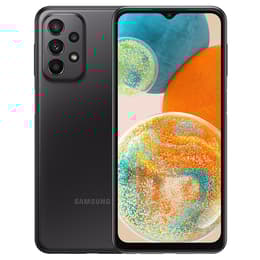
Galaxy A23 5G • Unlocked
Starting at

Refurbished price:$123.00

Versus $279.99 new

See options
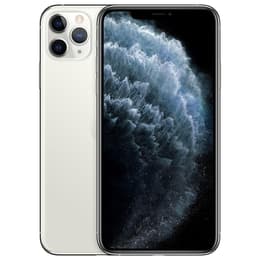
iPhone 11 Pro Max • Unlocked
Starting at

Refurbished price:$214.00

Versus $849.00 new

See options

Ratings

The Samsung Galaxy A23 5G, an Android smartphone released in late 2022, and the Apple iPhone 11 Pro Max, an iOS device launched in late 2019, represent different approaches to smartphone design and functionality. While the Galaxy A23 5G offers more recent connectivity and a higher refresh rate display, the iPhone 11 Pro Max focuses on a premium user experience with a powerful processor and advanced camera system. These devices cater to distinct user preferences, primarily differing in their operating systems and core hardware philosophies.

Scores

Durability

When considering the long-term usability of these devices, their release timelines and software support are key factors. The iPhone 11 Pro Max, being an older device, has received consistent iOS updates since its 2019 launch, with Apple typically providing software support for around 5-6 years. The Galaxy A23 5G, released in 2022, started with Android 12 and is expected to receive several years of Android and security updates, though the exact duration can vary by manufacturer and model.

  • Release Timeline: The iPhone 11 Pro Max was released in September 2019, making it a more mature device in its lifecycle. The Galaxy A23 5G followed in late 2022, offering a more recent entry into the market. [2, 3, 5, 7, 9]
  • Software Longevity: The iPhone 11 Pro Max has demonstrated a long history of software updates, with users reporting continued support for current iOS versions. The Galaxy A23 5G, running Android, also benefits from multi-year update commitments, though the total duration might differ from Apple's extended support. [13, 18]
  • Repairability: The iPhone 11 Pro Max received a repairability score of 6 out of 10 by iFixit, indicating that critical display and battery repairs are manageable, though the back glass can be challenging to replace. The Samsung Galaxy A23 5G scores around 6.75 out of 10, with its back plate and battery being relatively accessible for repair. [4, 11, 23]

Release Year

2022

2019

Last OS Compatibility

Yes

Yes

OS

Android

iOS

Foldable

No

No

Performance

The performance of these two smartphones is influenced by their respective processors and operating system optimizations. The iPhone 11 Pro Max, with its custom-designed chip, delivers a highly fluid and responsive experience across applications and demanding tasks. The Galaxy A23 5G, powered by a mid-range processor, handles everyday usage smoothly but may show limitations with more intensive applications or multitasking, particularly in configurations with less RAM.

  • Processing Power: The iPhone 11 Pro Max features a powerful chip designed for efficient handling of complex applications, gaming, and video editing, providing a consistently smooth user experience. The Galaxy A23 5G utilizes a processor that capably manages daily tasks, web browsing, and light gaming, but may exhibit slower loading times for very demanding apps. [10, 21]
  • Multitasking Capabilities: The iPhone 11 Pro Max, even with its standard RAM configuration, is optimized to maintain responsiveness when switching between multiple applications. The Galaxy A23 5G's multitasking performance can vary depending on the RAM variant, with higher RAM options offering a more seamless experience. [15, 21]
  • Battery Behavior: The iPhone 11 Pro Max is recognized for its robust battery life, often lasting a full day or more for many users. The Galaxy A23 5G also features a large battery capacity, providing extended usage times for typical daily activities. [1, 9, 10, 16]

Memory (GB)

6 GB

4 GB

Screen quality

The visual experience on these devices differs significantly due to their display technologies and specifications. The iPhone 11 Pro Max features a high-quality OLED panel known for its deep blacks and vibrant colors, while the Galaxy A23 5G employs an LCD screen with a higher refresh rate for smoother scrolling.

  • Display Technology: The iPhone 11 Pro Max boasts a Super Retina XDR OLED display, which offers exceptional contrast, true blacks, and accurate color reproduction, enhancing the viewing of photos and videos. The Galaxy A23 5G uses a PLS LCD panel, providing good brightness and color, though it does not achieve the same level of contrast as an OLED screen. [7, 24]
  • Resolution and Clarity: Both devices offer high-resolution displays, with the iPhone 11 Pro Max featuring a 2688x1242 pixel resolution on its 6.5-inch screen, resulting in sharp images and text. The Galaxy A23 5G has a 2408x1080 pixel resolution on its slightly larger 6.6-inch display, also delivering clear visuals. [1, 7, 24]
  • Refresh Rate: A key difference is the refresh rate; the Galaxy A23 5G offers a 120Hz refresh rate (some variants 90Hz), which makes scrolling and animations appear noticeably smoother. The iPhone 11 Pro Max has a standard 60Hz refresh rate. [1, 12, 17]

Resolution

1080 x 2408

1242 x 2688

Screen type

PLS LCD

Super Retina XDR OLED

Audiovisual

Both smartphones offer capable camera systems, but they excel in different areas. The iPhone 11 Pro Max is known for its consistent image processing and strong low-light performance, while the Galaxy A23 5G provides a versatile quad-camera setup with a high-resolution main sensor.

  • Rear Camera System: The iPhone 11 Pro Max features a triple 12MP camera system (wide, ultra-wide, and telephoto lenses), praised for its natural color reproduction, detail, and the effectiveness of its Night mode. The Galaxy A23 5G includes a quad-camera array with a 50MP main sensor, a 5MP ultra-wide, and two 2MP auxiliary lenses, offering flexibility for different shooting scenarios. [1, 7, 8, 9, 10, 16]
  • Low-Light and Video: The iPhone 11 Pro Max's Night mode significantly improves photo quality in dim conditions, and its video recording capabilities are noted for their stability and detail. The Galaxy A23 5G's main camera includes optical image stabilization (OIS), which aids in clearer photos and smoother video, particularly in less ideal lighting. [7, 9, 10, 16, 21]
  • Front Camera: The iPhone 11 Pro Max has a 12MP front camera capable of detailed selfies and video calls. The Galaxy A23 5G features an 8MP front camera, suitable for everyday self-portraits and video conferencing. [1]

Main camera

50 megapixels

12 megapixels

Front camera

8 megapixels

12 megapixels

Miscellaneous

Beyond their core features, several practical elements differentiate these two devices, impacting daily convenience and user interaction. These include their physical design, available ports, and biometric security options.

  • Connectivity: The Galaxy A23 5G supports 5G networks, offering faster mobile data speeds where available. The iPhone 11 Pro Max is limited to 4G LTE connectivity. Both devices support modern Wi-Fi standards and Bluetooth. [7, 22]
  • Ports and Biometrics: The Galaxy A23 5G includes a USB-C port for charging and data transfer, along with a 3.5mm headphone jack, providing broad compatibility with accessories. It uses a side-mounted fingerprint sensor for security. The iPhone 11 Pro Max features a Lightning port and relies on Face ID for secure facial recognition. [5, 7]
  • Build Materials and Handling: The iPhone 11 Pro Max features a stainless steel frame and frosted glass back, contributing to a substantial feel and a premium finish. The Galaxy A23 5G utilizes a plastic frame and back, which makes it lighter but may feel less robust. [5, 24, 26]

Weight

7 oz

8 oz

Screen size (inches)

6.8

6.5

Network

5G

LTE

SIM card

Physical SIM

Physical SIM + eSIM

Carrier compatibility

Unlocked

Unlocked

The Samsung Galaxy A23 5G and the iPhone 11 Pro Max offer distinct experiences, each with its own set of strengths. Users frequently praise the iPhone 11 Pro Max for its enduring performance, excellent camera capabilities, and impressive battery life, even years after its release. Many find its iOS ecosystem intuitive and appreciate the consistent software updates. Criticisms sometimes point to its lack of a high refresh rate display and 5G connectivity, which are features found in newer devices. [13, 16, 17, 18]

Conversely, the Galaxy A23 5G is often lauded for its modern connectivity, including 5G, and its smooth 120Hz display, which enhances daily interactions. Its expandable storage and the inclusion of a headphone jack are also frequently highlighted as practical advantages. However, some users have reported mixed experiences with its overall performance, particularly with lower RAM configurations, and occasional concerns about responsiveness and signal reception. [15, 19, 20, 21]

Users prioritizing a consistently fluid operating system, a highly capable camera for diverse conditions, and a premium build will find the iPhone 11 Pro Max well-suited to their needs. Those who value the latest network speeds, a smoother scrolling experience, expandable storage, and the flexibility of the Android ecosystem may lean toward the Galaxy A23 5G. Both devices are available as quality-assured refurbished options, providing an eco-friendly alternative for consumers seeking reliable technology.


See all articles

Our recent comparisons