

Compare models
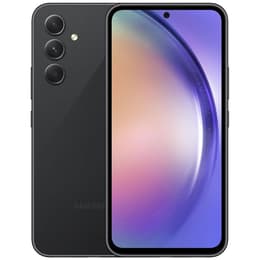
Galaxy A54 • Unlocked vs Motorola Moto G Stylus 5G (2024) • Unlocked
- 1-year warranty
- Free standard shipping
- Free 30-day returns
Differences at a glance
The Samsung Galaxy A54 (2023) and the Motorola Moto G Stylus 5G (2024) are prominent unlocked mid-range smartphones designed to deliver reliable everyday utility. While both devices cater to practical mobile users seeking modern connectivity, they differ primarily in their physical design approach and software ecosystems, with Samsung prioritizing long-term software support and Motorola focusing on integrated input tools and media consumption features.
Scores
Durability
When evaluating durability and long-term utility, these two unlocked smartphones follow different update schedules and build philosophies that influence their expected practical lifespan.
- Software Support: The Galaxy A54 provides an extended software update timeline with several promised years of operating system upgrades and security patches, whereas the Motorola Moto G Stylus 5G offers a more standard update cycle typical of its release year.
- Build Materials: The Samsung model utilizes glass front and back panels with a durable frame and dust-and-water resistance certification, while the Motorola alternative features a vegan leather back finish that offers a distinct tactile grip alongside water-repellent design properties.
- Repairability: Both devices follow standard mid-range construction methods, meaning routine hardware repairs are straightforward when handled by qualified technicians, supporting a sustainable choice for environmentally conscious consumers.
Release Year
2023
2024
Last OS Compatibility
Yes
Yes
OS
Android
Android
Foldable
No
No
Performance
Under everyday workloads, both smartphones handle standard tasks smoothly, though their internal configurations and storage flexibility cater to different multitasking styles.
- Storage Options: The Galaxy A54 features expandable storage via a microSD card slot, while the Motorola Moto G Stylus 5G typically offers higher baseline internal storage capacities paired with strong RAM allocations for fluid app switching.
- System Responsiveness: Both devices manage web browsing, social media streaming, and casual gaming without noticeable stutter, utilizing capable mid-range internal processors to maintain consistent daily performance.
- Battery Behavior: Each smartphone packs a standard high-capacity battery designed to easily clear a full day of mixed usage, though charging speeds vary slightly with Motorola supporting faster wired and wireless replenishment options.
Screen quality
Visual output and display responsiveness differ slightly in size, panel technology, and outdoor viewing adaptability between the two handsets.
- Display Technology: The Galaxy A54 employs a vibrant Super AMOLED screen, while the Motorola Moto G Stylus 5G features a expansive pOLED display, both delivering deep contrast levels and crisp color reproduction.
- Refresh Rate: Both models support a smooth 120Hz refresh rate, ensuring fluid scrolling through web pages and responsive animations during daily navigation.
- Outdoor Brightness: Each screen incorporates high peak brightness modes designed to maintain legibility under direct sunlight, with Motorola offering a slightly larger canvas suited for media consumption.
Resolution
1080 x 2340
1080 x 2400
Screen type
Super AMOLED
P-OLED
Audiovisual
Photography and media recording capabilities provide reliable results across lighting conditions, though hardware configurations emphasize different focal strengths.
- Camera Systems: Both phones include high-resolution main sensors equipped with optical image stabilization to minimize blur, accompanied by ultra-wide lenses for landscape shots.
- Video and Audio: Video recording runs stably at high definitions on both devices, while media playback is enhanced by stereo speaker configurations that provide clear audio output for calls and video streaming.
- Specialized Input: The Motorola model uniquely integrates a physical stylus directly into the chassis, allowing for precise photo editing, handwritten notes, and screen navigation that traditional touchscreen setups cannot match.
Main camera
50 megapixels
50 megapixels
Front camera
32 megapixels
32 megapixels
Miscellaneous
Practical physical traits, connectivity standards, and daily usability features round out the core user experience of these unlocked models.
- Connectivity: Both devices feature full 5G network compatibility, reliable Wi-Fi standards, and Bluetooth pairing for wireless accessories.
- Physical Ports: The Motorola Moto G Stylus 5G retains a traditional 3.5mm headphone jack, whereas the Galaxy A54 omits the audio port in favor of a streamlined profile.
- Handling and Dimensions: The Samsung model features a slightly more compact footprint with a glass back, while Motorola's larger body accommodates its built-in stylus and textured vegan leather rear surface.
Weight
7 oz
7 oz
Screen size (inches)
6.4
6.7
Network
5G
5G
SIM card
Physical SIM + eSIM
Physical SIM
Carrier compatibility
Unlocked
Unlocked
Connector
USB-C + Jack 3.5mm
USB-C
What the community thinks
User feedback from online communities highlights distinct preferences for each device based on everyday workflows. Owners of the Galaxy A54 frequently praise its long-term software update commitment, bright display panel, and reliable build quality, though some note that charging speeds are relatively modest. Conversely, users of the Motorola Moto G Stylus 5G frequently commend the convenience of the integrated stylus, ample storage, and comfortable textured grip, while occasionally pointing out that software update windows are shorter than its competitor's.
Users prioritizing extended software longevity and a compact glass build may prefer the Samsung Galaxy A54, while users prioritizing note-taking functionality, physical media controls like a headphone jack, and faster charging capabilities often lean toward the Motorola Moto G Stylus 5G. Choosing a quality-assured refurbished option through platforms like Back Market offers an eco-friendly alternative that minimizes electronic waste while providing fully tested hardware performance.