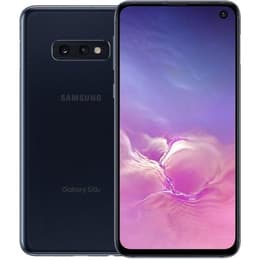
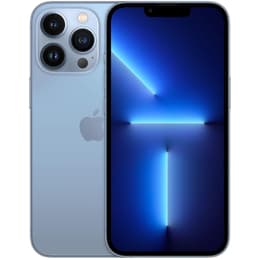

Galaxy S10E • Unlocked vs iPhone 13 Pro • Unlocked

Galaxy S10E • Unlocked
Starting at

Refurbished price:$117.00

Versus $459.00 new

See options
iPhone 13 Pro • Unlocked
Starting at

Refurbished price:$299.99

Versus $899.00 new

See options

Ratings

The Samsung Galaxy S10e, released in March 2019, and the Apple iPhone 13 Pro, launched in September 2021, represent different generations and operating systems within the smartphone landscape. While the Galaxy S10e offered a compact Android experience, the iPhone 13 Pro arrived two and a half years later with Apple's iOS, introducing advancements in display technology, camera capabilities, and overall performance.

Scores

Durability

When considering the longevity of these devices, several factors come into play, including their release timelines, software support, and repairability.

  • Release Timeline: The Galaxy S10e was released in March 2019, making it an older device compared to the iPhone 13 Pro, which launched in September 2021. This age difference directly impacts their remaining software support and expected practical lifespan.
  • OS Support Duration: The Galaxy S10e received three years of Android OS upgrades, with its last major update being Android 12. It now primarily receives security updates. In contrast, the iPhone 13 Pro, running iOS, is expected to receive software updates for a longer period, typically 5-6 years from its release, extending its support timeline further into the future.
  • Repairability: The Galaxy S10e received a repairability score of 3 out of 10 from iFixit, indicating challenges in repair due to extensive adhesive and a soldered charging port. The iPhone 13 Pro received a score of 5 out of 10, with display and battery replacements being prioritized in its design, though other components can be more difficult to access.

Release Year

2019

2021

Last OS Compatibility

No

Yes

OS

Android

iOS

Foldable

No

No

Performance

The performance of a smartphone is crucial for daily tasks, app usage, and multitasking. These two devices offer distinct experiences shaped by their internal components and software optimization.

  • Storage Options: The Galaxy S10e was available with 128GB or 256GB of internal storage, with expandable memory support up to 512GB via a microSD card. The iPhone 13 Pro offers a wider range of internal storage options, including 128GB, 256GB, 512GB, and 1TB, but does not support expandable storage.
  • Battery Behavior: The Galaxy S10e features a 3100 mAh battery, with user reports indicating that heavy usage might require charging before the end of the day. Some users reported around 4-5 hours of screen-on time on LTE and 5-6 hours on Wi-Fi. The iPhone 13 Pro has a 3095 mAh battery, but due to its efficient processor and adaptive refresh rate display, it is generally capable of lasting a full day of normal usage, with some reports indicating significantly longer battery life compared to its predecessors.
  • Overall System Responsiveness: The iPhone 13 Pro, with its newer generation processor, handles demanding applications and multitasking smoothly, offering a highly responsive user experience. The Galaxy S10e, while offering good performance for its time, may show more noticeable delays with intensive tasks or numerous applications running simultaneously due to its older processor architecture.

Memory (GB)

6 GB

6 GB

Screen quality

The display is a primary interface for smartphone interaction, and both devices offer different visual experiences.

  • Display Technology and Resolution: The Galaxy S10e features a 5.8-inch Dynamic AMOLED display with a resolution of 2280x1080 pixels, offering vibrant colors and deep blacks. The iPhone 13 Pro comes with a 6.1-inch Super Retina XDR OLED display, providing a higher resolution of 2532x1170 pixels and enhanced clarity.
  • Brightness Levels: The Galaxy S10e's display offers good brightness for outdoor visibility, with a maximum brightness of 603 nits in manual mode. The iPhone 13 Pro's Super Retina XDR display offers higher peak brightness, improving visibility in bright outdoor conditions and enhancing HDR content.
  • Refresh Rate and Smoothness: The Galaxy S10e has a standard 60Hz refresh rate, which provides a smooth experience for typical usage. The iPhone 13 Pro features ProMotion technology, offering an adaptive refresh rate that can scale from 10Hz to 120Hz, resulting in noticeably smoother scrolling, more fluid animations, and a more responsive feel during gaming and other dynamic content.

Resolution

1080 x 2280

1170 x 2532

Screen type

Dynamic AMOLED

Super Retina XDR OLED

Audiovisual

Camera capabilities are a significant consideration for many users, and these devices offer different photographic and videographic strengths.

  • Camera System Capabilities: The Galaxy S10e features a dual-camera setup on the rear, consisting of a 12MP wide-angle lens and a 16MP ultra-wide lens. The iPhone 13 Pro boasts a more advanced triple-camera system, including a 12MP wide, 12MP ultra-wide, and a 12MP telephoto lens, along with a LiDAR scanner.
  • Photography Performance: The iPhone 13 Pro generally delivers sharper photos with better detail, dynamic range, and natural colors, especially in low-light conditions, thanks to its larger sensors and advanced computational photography features like Night mode on all lenses. While the Galaxy S10e's dual cameras can capture good photos in well-lit environments, its low-light performance and dynamic range are less advanced compared to the iPhone 13 Pro.
  • Video Recording Quality and Features: The iPhone 13 Pro offers professional-level video capabilities, including features like Cinematic Mode for depth-of-field effects and ProRes video recording, appealing to video creators. Both devices are capable of 4K video recording, but the iPhone 13 Pro's additional features and improved stabilization provide a more versatile video experience.

Main camera

12 megapixels

12 megapixels

Front camera

10 megapixels

12 megapixels

Miscellaneous

Beyond core features, several practical elements contribute to the overall user experience and device utility.

  • Connectivity Options: The Galaxy S10e supports 4G LTE and older Wi-Fi standards. The iPhone 13 Pro offers advanced connectivity, including 5G capabilities and Wi-Fi 6 (802.11ax), providing faster cellular data speeds and improved Wi-Fi performance.
  • Port Types: The Galaxy S10e includes a 3.5mm headphone jack and a USB-C port for charging and data transfer. The iPhone 13 Pro utilizes Apple's Lightning port for charging and data, and it does not feature a 3.5mm headphone jack.
  • Biometric Security and Dimensions: The Galaxy S10e features a side-mounted fingerprint sensor for secure unlocking. The iPhone 13 Pro relies on Face ID, Apple's facial recognition system. In terms of physical characteristics, the Galaxy S10e is more compact and lighter, measuring 142.2 x 69.9 x 7.9 mm and weighing 150 grams. The iPhone 13 Pro is slightly larger and heavier at 146.7 x 71.5 x 7.65 mm and 204 grams, partly due to its stainless steel frame.

Weight

5 oz

6 oz

Screen size (inches)

5.8

6.1

Network

LTE

5G

SIM card

Physical SIM

Physical SIM + eSIM

Carrier compatibility

Unlocked

Unlocked

Connector

USB-C + Jack 3.5mm

Lightning

User sentiment for the Galaxy S10e often praises its compact size, making it comfortable for one-handed use, and the inclusion of a headphone jack and expandable storage were frequently highlighted as positive aspects. Criticisms sometimes focused on its battery life, which for some users, required mid-day charging, and its software update longevity compared to newer devices.

The iPhone 13 Pro is frequently lauded for its powerful performance, significantly improved battery life over previous iPhone Pro models, and its advanced camera system, particularly for low-light photography and video features like Cinematic Mode. Some users noted its weight and the absence of a headphone jack as points of consideration, though these are common characteristics of Pro iPhone models.

Users prioritizing a smaller, lighter device with a traditional headphone jack and expandable storage may find the Galaxy S10e well-suited to their needs. Its Android operating system also offers a different ecosystem experience. Conversely, users who prioritize cutting-edge camera technology, a highly fluid display with an adaptive refresh rate, and extended software support will likely lean towards the iPhone 13 Pro. Its robust performance makes it ideal for demanding applications and content creation. Both devices, whether new or as a quality-assured refurbished option, offer distinct advantages depending on individual preferences and usage patterns.


See all articles

Our recent comparisons