
Galaxy S10E • Unlocked vs iPhone SE (2020) • Unlocked

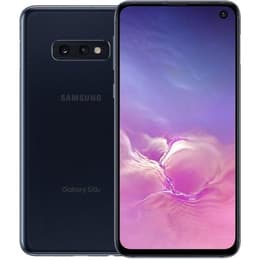
Galaxy S10E • Unlocked
Starting at

Refurbished price:$117.00

Versus $459.00 new

See options
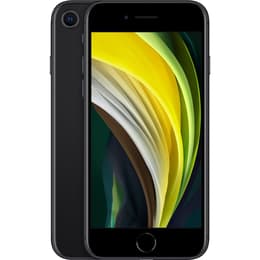
iPhone SE (2020) • Unlocked
Starting at

Refurbished price:$91.00

Versus $399.00 new

See options

Ratings

The Samsung Galaxy S10e, released in March 2019, and the Apple iPhone SE (2020), launched in April 2020, are both compact smartphones designed to offer a streamlined experience. While the Galaxy S10e runs on the Android operating system, the iPhone SE (2020) operates on iOS, presenting distinct user interfaces and ecosystems. Key differences lie in their display technology and camera systems.

Scores

Durability

When considering the longevity of these devices, their release timelines and software support are important factors.

  • Release Timeline: The Galaxy S10e was released in March 2019, making it about a year older than the iPhone SE (2020), which launched in April 2020. This difference in release date impacts their expected software support duration.
  • Software Longevity: Apple generally provides a longer period of iOS updates for its devices, with the iPhone SE (2020) having received updates to iOS 26 as of 2025. The Galaxy S10e, running Android, typically receives fewer major OS updates compared to iPhones, though it did receive updates up to Android 12.
  • Repairability: Both devices feature glass backs and aluminum frames, which can be susceptible to damage from drops. The iPhone SE (2020) has an IP67 rating for dust and water resistance, allowing submersion up to 1 meter for 30 minutes, while the Galaxy S10e boasts an IP68 rating, offering protection up to 1.5 meters for 30 minutes.

Release Year

2019

2020

Last OS Compatibility

No

Yes

OS

Android

iOS

Foldable

No

No

Performance

Both smartphones offer capable performance for daily tasks, though they approach it with different hardware architectures.

  • System Responsiveness: The iPhone SE (2020) is equipped with a processor that allows for smooth operation across applications and efficient multitasking. The Galaxy S10e also provides a responsive experience, handling demanding apps and gaming smoothly.
  • Multitasking and App Handling: The iPhone SE (2020) comes with 3GB of RAM, which supports fluid app switching and general usage. The Galaxy S10e offers 6GB or 8GB of RAM, contributing to its ability to manage multiple applications simultaneously and maintain performance during intensive use.
  • Storage Options: The iPhone SE (2020) is available with 64GB, 128GB, or 256GB of internal storage. The Galaxy S10e offers 128GB or 256GB of internal storage, with the added flexibility of expandable storage via a microSD card, which can be useful for users who need significant space for media and files.
  • Battery Behavior: The iPhone SE (2020) has an 1821 mAh battery. The Galaxy S10e features a 3100 mAh battery. User experiences with the Galaxy S10e's battery life have been mixed, with some reporting it lasts a full day with typical use, while heavy usage may require more frequent charging.

Memory (GB)

6 GB

3 GB

Screen quality

The visual experience on these devices is shaped by their distinct display technologies and designs.

  • Display Technology and Clarity: The Galaxy S10e features a 5.8-inch Dynamic AMOLED display with a resolution of 2280x1080 pixels, resulting in a pixel density of 438 PPI. This technology provides deep blacks and vibrant colors. The iPhone SE (2020) has a 4.7-inch Retina HD IPS LCD display with a resolution of 1334x750 pixels, offering a pixel density of 326 PPI.
  • Brightness and Outdoor Visibility: The Galaxy S10e's Dynamic AMOLED screen can reach a maximum brightness of 1200 nits, contributing to good visibility in various lighting conditions. The iPhone SE (2020) has a typical maximum brightness of 625 nits.
  • Screen Size and Viewing Experience: The Galaxy S10e offers a larger 5.8-inch display with minimal bezels and a punch-hole cutout for the front camera, providing an expansive viewing area. The iPhone SE (2020) retains a more traditional design with a 4.7-inch screen and noticeable bezels at the top and bottom, which some users find familiar and comfortable for one-handed use.
  • Protection: The Galaxy S10e's screen is protected by Corning Gorilla Glass 5. The iPhone SE (2020) features ion-strengthened glass with an oleophobic coating.

Resolution

1080 x 2280

750 x 1334

Screen type

Dynamic AMOLED

Retina IPS LCD

Audiovisual

Both devices offer capable camera systems, though they differ in their approach to photography and video capabilities.

  • Rear Camera System: The Galaxy S10e features a dual-camera setup on the rear, including a 12MP wide-angle lens with a variable aperture and a 16MP ultra-wide lens, providing versatility for different shooting scenarios. The iPhone SE (2020) has a single 12MP wide camera on the back, which benefits from computational photography features.
  • Photography Performance: The Galaxy S10e's camera delivers vibrant and detailed photos in good lighting, with the ultra-wide lens being a notable advantage for capturing broader scenes. The iPhone SE (2020) also produces good photos in well-lit conditions, utilizing its processor for features like Portrait mode. In low-light conditions, the Galaxy S10e's performance can be inconsistent, sometimes producing softer images. The iPhone SE (2020) also shows limitations in very low light.
  • Video Recording Quality: Both phones are capable of recording 4K video at up to 60 frames per second. The Galaxy S10e supports HDR10+ video recording. The iPhone SE (2020) also offers optical image stabilization for video.
  • Front Camera: The Galaxy S10e has a 10MP front-facing camera. The iPhone SE (2020) features a 7MP front camera.

Main camera

12 megapixels

12 megapixels

Front camera

10 megapixels

7 megapixels

Miscellaneous

Beyond core features, several practical elements differentiate these two smartphones.

  • Connectivity: Both devices support 4G LTE, Wi-Fi (including Wi-Fi 6 on the iPhone SE 2020), and Bluetooth 5.0. The Galaxy S10e also supports Wi-Fi 802.11ax.
  • Ports and Audio: The Galaxy S10e includes a 3.5mm headphone jack, a feature not present on the iPhone SE (2020). Both devices feature stereo speakers for an enhanced audio experience. The Galaxy S10e uses a USB-C port for charging and data transfer, while the iPhone SE (2020) uses a Lightning connector.
  • Biometric Authentication: The iPhone SE (2020) utilizes Touch ID, a fingerprint sensor integrated into the home button. The Galaxy S10e features a side-mounted fingerprint sensor.
  • Physical Characteristics: The Galaxy S10e measures 142.2 x 69.9 x 7.9 mm and weighs 150 grams. The iPhone SE (2020) is slightly smaller and lighter at 138.4 x 67.3 x 7.3 mm and 148 grams. The Galaxy S10e has an aluminum body with Gorilla Glass 5 on the front and back. The iPhone SE (2020) also features a glass front and back with an aluminum frame.

Weight

5 oz

5 oz

Screen size (inches)

5.8

4.7

Network

LTE

LTE

SIM card

Physical SIM

Physical SIM + eSIM

Carrier compatibility

Unlocked

Unlocked

Connector

USB-C + Jack 3.5mm

Lightning

The Samsung Galaxy S10e and the iPhone SE (2020) cater to users with different priorities, reflecting their respective operating systems and design philosophies. Users often praise the Galaxy S10e for its vibrant AMOLED display, offering deep colors and high contrast, and the versatility of its dual-camera system, particularly the inclusion of an ultra-wide lens. The presence of a headphone jack and expandable storage are also frequently cited as advantages by its user base. However, some users have noted that the battery life of the Galaxy S10e can be inconsistent, especially with heavy use.

On the other hand, the iPhone SE (2020) is often lauded for its powerful processor, which ensures smooth performance and extended software support, making it a device that can remain relevant for several years. Its compact size and familiar design, including the physical home button with Touch ID, are also popular features. A common point of feedback for the iPhone SE (2020) is its smaller LCD display with larger bezels compared to more modern smartphones, and its camera system, while capable, is limited to a single lens.

Users prioritizing a larger, more vibrant display, a versatile camera system with an ultra-wide lens, and the flexibility of expandable storage and a headphone jack may find the Galaxy S10e well-suited to their needs. Conversely, users who value long-term software support, a compact form factor, and the consistent performance of the iOS ecosystem may lean toward the iPhone SE (2020). Both devices represent solid choices within their respective ecosystems, and opting for a quality-assured refurbished option can be a sustainable choice for either model.

See all articles

Our recent comparisons