Compare models
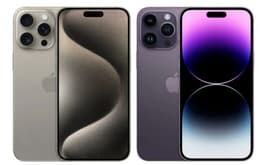
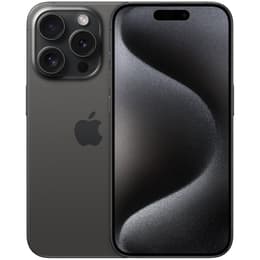
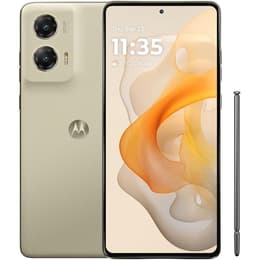
iPhone 15 Pro • Unlocked vs Motorola Moto G Stylus 5G (2024) • Unlocked
- 1-year warranty
- Free standard shipping
- Free 30-day returns
Differences at a glance
The Apple iPhone 15 Pro (2023) and the Motorola Moto G Stylus 5G (2024) represent two distinct approaches to modern smartphone design, catering to users with very different daily requirements. While the iPhone 15 Pro focuses on compact flagship performance and advanced materials within the iOS ecosystem, the Motorola Moto G Stylus 5G prioritizes a large-screen media experience, integrated stylus productivity, and Android versatility. Understanding how their core capabilities differ helps determine which device fits specific daily workflows.
Available Models
Color
Storage (GB)
Scores
Durability
Evaluating the lifespan and durability of these devices reveals differences in software support timelines, build materials, and long-term hardware resilience.
- Software longevity: The iPhone 15 Pro benefits from Apple's extended update policy, typically receiving major operating system updates and security patches for many years. The Motorola Moto G Stylus 5G provides a more modest software update window typical of mid-range Android devices.
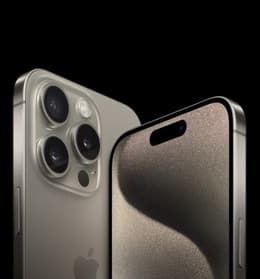
- Build and materials: The iPhone 15 Pro utilizes a grade 5 titanium frame and textured matte glass backed by durable front glass protection. The Motorola model features a vegan leather back finish with a water-repellent body design built for everyday handling.
- Repairability and support: Both manufacturers provide structured repair channels, though component longevity and parts availability favor the mainstream flagship model for multi-year retention.
Release Year
2023
2024
OS
iOS
Android
Foldable
No
No
Performance
Performance and multitasking behaviors vary significantly based on internal hardware optimization, memory allocation, and battery endurance during intensive use.
- System responsiveness: The iPhone 15 Pro handles demanding games, heavy background tasks, and complex applications smoothly with its advanced processor architecture and uniform system optimization. The Motorola Moto G Stylus 5G manages everyday multitasking, social media apps, and web browsing reliably with its capable mid-range processor.
- Storage configuration: The iPhone 15 Pro offers various internal storage tiers starting from compact capacities up to extensive room for files. The Motorola option provides generous base storage paired with expandable card slots for media preservation.
- Battery behavior: The Motorola Moto G Stylus 5G features a larger capacity power cell designed to comfortably clear a full day of mixed use. The iPhone 15 Pro relies on efficient power management to balance its compact frame with consistent daily endurance.
Screen quality
Display characteristics shape the visual experience for media consumption, reading, and outdoor visibility across both models.
- Display technology: The iPhone 15 Pro features a compact OLED panel with high pixel density, deep black levels, and adaptive refresh rates for fluid motion. The Motorola Moto G Stylus 5G utilizes a larger pOLED panel providing vivid colors and an expansive canvas for viewing content.
- Brightness and outdoor use: Both devices reach high peak brightness levels to maintain legibility under direct sunlight, ensuring clear visibility during outdoor navigation or reading.
- Refresh rate and smoothness: Both screens support rapid refresh rates that make scrolling through web pages, menus, and dynamic content appear smooth and responsive.
Resolution
1179 x 2556
1080 x 2400
Screen type
LTPO Super Retina XDR OLED
P-OLED
Audiovisual
Imaging hardware and media output capabilities differ, offering distinct advantages for photography, video recording, and audio playback.
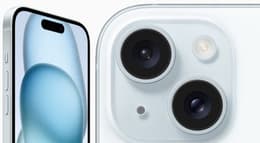
- Camera systems: The iPhone 15 Pro equips a versatile multi-lens rear array featuring high-resolution main sensors and optical zoom capabilities for detailed framing. The Motorola Moto G Stylus 5G relies on a primary sensor with optical image stabilization accompanied by a wide-angle lens and macro features.
- Video and low light: The iPhone model excels in advanced video recording formats and low-light exposure balance. The Motorola device captures clear everyday snapshots and reliable high-definition video clips.
- Audio and media output: The Motorola includes built-in stereo speakers alongside a traditional headphone jack for wired audio connections. The iPhone utilizes stereo speakers with spatial audio support via its universal USB port connection.
Miscellaneous
Physical handling, connectivity standards, and unique functional additions complete the everyday user experience of each device.
- Input methods: The Motorola Moto G Stylus 5G integrates a physical stylus housed directly within the chassis for precision note-taking and photo editing. The iPhone 15 Pro features a customizable physical action button for quick shortcuts to preferred tools.
- Connectivity and ports: The iPhone 15 Pro utilizes a universal reversible data port supporting fast transfer speeds. The Motorola alternative retains the traditional audio jack alongside standard wireless connectivity and fast-charging capabilities.
- Size and ergonomics: The iPhone 15 Pro offers a smaller, lighter footprint suited for single-handed operation. The Motorola model provides a larger physical chassis tailored for productivity and media viewing.
Weight
187 oz
1 oz
Screen size (inches)
6.1
6.7
Network
5G
5G
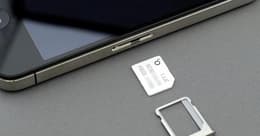
SIM card
eSIM
Physical SIM + eSIM
Carrier compatibility
Unlocked
Unlocked
Connector
USB-C (USB 3)
USB-C + Jack 3.5mm
What the community thinks
Users prioritizing a compact form factor, long-term software update support, and advanced photographic tools will find the iPhone 15 Pro well-suited to their needs. Conversely, users who value a larger screen real estate, integrated stylus functionality for notes, and expandable storage flexibility often prefer the Motorola Moto G Stylus 5G. Choosing between them depends entirely on whether daily habits lean toward ecosystem-driven flagship performance or media-focused productivity.
For those exploring sustainable purchasing routes, choosing a quality-assured refurbished option provides a reliable, eco-friendly alternative that extends device life cycles without compromising functional integrity. Evaluating personal workflow priorities remains the most effective way to determine the ideal device match.