
Galaxy S10E • Unlocked vs iPhone XS Max • Unlocked

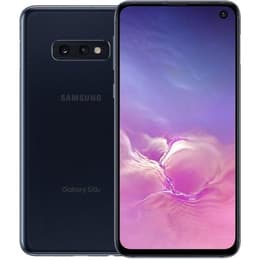
Galaxy S10E • Unlocked
Starting at

Refurbished price:$117.00

Versus $459.00 new

See options
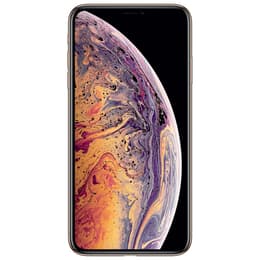
iPhone XS Max • Unlocked
Starting at

Refurbished price:$158.00

Versus $599.00 new

See options

Ratings

The Samsung Galaxy S10e, released in early 2019, and the Apple iPhone XS Max, launched in late 2018, represent two distinct approaches to flagship smartphones from their respective manufacturers. While both devices offered premium experiences at their release, they differ significantly in size, operating system, and design philosophy. The Galaxy S10e provides a more compact Android experience, whereas the iPhone XS Max delivers a larger iOS platform.

Scores

Durability

When considering the long-term usability of these devices, their release timelines and subsequent software support are key factors.

  • Software Longevity: The iPhone XS Max, originally launched with iOS 12, received major iOS updates up to iOS 18, with security updates expected to continue until at least late 2026. This provides a longer period of official software support compared to the Galaxy S10e. [8, 24, 30, 34, 37] The Galaxy S10e, which debuted with Android 9.0, concluded its major Android operating system updates with Android 12, released in late 2021, and has since reached its end of life for major OS updates. [9, 26, 27]
  • Physical Durability: Both devices carry an IP68 rating for dust and water resistance, indicating protection against submersion in water. [1, 3, 8] However, the iPhone XS Max received a higher repairability score from iFixit at 6 out of 10, suggesting it might be somewhat easier to repair than the Galaxy S10e, which scored a 3 out of 10 due to extensive adhesive use and soldered components. [11, 14, 22, 29, 33, 38]
  • Expected Practical Lifespan: Users of the iPhone XS Max can expect continued security updates for a longer duration, potentially extending its practical lifespan for those who prioritize the latest security patches. [30] For the Galaxy S10e, while it remains functional, the absence of further major OS updates means it will gradually lose access to newer app versions and features. [26]

Release Year

2019

2018

Last OS Compatibility

No

Yes

OS

Android

iOS

Foldable

No

No

Performance

The performance of these smartphones is influenced by their internal components, impacting how smoothly they handle daily tasks and demanding applications.

  • Processing Power: The iPhone XS Max is equipped with a powerful processor that enables smooth navigation, efficient multitasking, and capable handling of graphically intensive games and applications. [8, 15] The Galaxy S10e features a capable processor that delivers strong performance for general use, app loading, and moderate gaming. [1, 18]
  • Multitasking and Responsiveness: With its system architecture, the iPhone XS Max offers a responsive user experience, allowing applications to open quickly and transitions to feel fluid. [15] The Galaxy S10e, with its available RAM configurations, provides a smooth experience for switching between multiple applications and managing various tasks simultaneously. [1, 5]
  • Storage Options: The iPhone XS Max was available with a range of internal storage capacities, offering options for users with varying needs for apps, photos, and videos. [2, 3, 4, 8] The Galaxy S10e also provided multiple storage configurations, allowing users to choose a model that suited their digital content requirements. [1, 5]

Memory (GB)

6 GB

4 GB

Screen quality

The visual experience on both devices is delivered through high-quality displays, though they differ in size and specific characteristics.

  • Display Technology and Size: The iPhone XS Max features a larger 6.5-inch OLED display, offering deep blacks and vibrant colors across a more expansive viewing area. [2, 3, 15] The Galaxy S10e has a more compact 5.8-inch Dynamic AMOLED display, also known for its rich colors and contrast, providing a comfortable one-handed experience. [1, 5, 17]
  • Resolution and Clarity: The iPhone XS Max's display offers a higher resolution, resulting in sharp text and detailed images, with a pixel density that ensures clarity. [3] The Galaxy S10e's display provides a clear and crisp viewing experience with a resolution that is well-suited for its screen size. [5]
  • Brightness and Viewing Experience: Both phones offer good brightness levels, contributing to comfortable viewing in various lighting conditions, including outdoors. [5, 18] The OLED technology in both devices contributes to excellent contrast and wide viewing angles, enhancing the overall media consumption experience. [10, 15]

Resolution

1080 x 2280

1242 x 2688

Screen type

Dynamic AMOLED

Super Retina OLED

Audiovisual

Both smartphones offer capable camera systems designed to capture moments with clarity and detail, though with some differences in their photographic approaches.

  • Rear Camera System: The iPhone XS Max features a dual-camera setup on the rear, including a wide-angle and a telephoto lens, which allows for optical zoom and improved portrait photography with depth effects. [2, 3, 15] The Galaxy S10e comes with a dual-camera system comprising a wide-angle and an ultrawide-angle lens, offering versatility for capturing broader scenes. [1, 5]
  • Photography Performance: The iPhone XS Max is known for producing detailed photos with accurate color reproduction and good dynamic range, particularly in well-lit conditions, and includes features like Smart HDR. [15] The Galaxy S10e delivers good daylight photos with its dual-sensor main camera, and users generally find its camera performance satisfactory for everyday use. [18, 19]
  • Video and Audio: Both devices are capable of recording high-quality video. The iPhone XS Max offers stereo audio recording for video capture. [8] The Galaxy S10e also provides a good audio experience through its speakers and includes a traditional headphone jack. [17]

Main camera

12 megapixels

12 megapixels

Front camera

10 megapixels

7 megapixels

Miscellaneous

Beyond core features, several practical elements contribute to the overall user experience and differentiate these two devices.

  • Connectivity and Ports: The Galaxy S10e includes a 3.5mm headphone jack, a feature absent on the iPhone XS Max, which relies on its Lightning port for wired audio and charging. [17, 23, 36] Both devices support modern wireless connectivity standards, including Wi-Fi and Bluetooth, for seamless communication and data transfer. [1, 3]
  • Biometric Security: The iPhone XS Max utilizes Face ID for secure facial recognition, offering a convenient method for unlocking the device and authenticating payments. [8, 10] The Galaxy S10e features a side-mounted physical fingerprint sensor integrated into the power button, alongside facial recognition capabilities. [1, 17]
  • Design and Handling: The iPhone XS Max, with its larger screen and stainless steel frame, has a more substantial feel and weight. [3, 8, 13] The Galaxy S10e is designed for a more compact and lightweight experience, making it easier for one-handed use and pocketability. [1, 17, 23]

Weight

5 oz

7 oz

Screen size (inches)

5.8

6.5

Network

LTE

LTE

SIM card

Physical SIM

Physical SIM + eSIM

Carrier compatibility

Unlocked

Unlocked

Connector

USB-C + Jack 3.5mm

Lightning

The Samsung Galaxy S10e and iPhone XS Max, while both premium devices from their respective eras, cater to different user preferences. Users often praise the iPhone XS Max for its expansive OLED display, robust performance, and generally reliable camera system. [10, 13, 16, 25] Some users have noted its weight and size as a factor to consider for one-handed use. [10, 13] The Galaxy S10e is frequently lauded for its compact form factor, the inclusion of a headphone jack, and its flat display. [17, 23] Criticisms sometimes point to its battery life, particularly for the Exynos variant, and its shorter software update cycle compared to its Apple counterpart. [19, 23, 26]

For individuals prioritizing a larger screen for media consumption and a longer period of major software updates, the iPhone XS Max may be a more suitable choice. Users who value a compact design, a physical fingerprint sensor, and the convenience of a headphone jack might find the Galaxy S10e better aligned with their needs. Both devices offer solid performance for everyday tasks, but the iPhone XS Max generally maintains software support for a longer duration. When considering either of these models, exploring quality-assured refurbished options can provide an eco-friendly alternative for acquiring these capable smartphones.


See all articles

Our recent comparisons