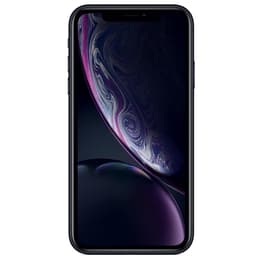

Galaxy S10+ • Unlocked vs iPhone XR • Unlocked

Galaxy S10+ • Unlocked
Starting at

Refurbished price:$166.00

Versus $719.00 new

See options
iPhone XR • Unlocked
Starting at

Refurbished price:$122.99

Versus $299.00 new

See options

Ratings

The Samsung Galaxy S10 Plus (2019) and the iPhone XR (2018) are both prominent smartphones from their respective manufacturers, offering distinct experiences within their operating systems. While the Galaxy S10 Plus runs on Android, the iPhone XR operates on iOS. These devices primarily differentiate themselves through their display technology, camera versatility, and biometric security methods.

Scores

Durability

When considering the longevity of these devices, several factors come into play, including their release timelines, software support, and physical resilience.

  • Release Timeline: The iPhone XR was released in October 2018, preceding the Samsung Galaxy S10 Plus, which launched in March 2019. This difference in release dates means the iPhone XR has been available for a longer period.
  • Software Longevity: Apple typically provides iOS updates for its devices for approximately 5-6 years from their release, suggesting the iPhone XR may continue to receive updates for a period. Samsung generally offers 3-4 major Android OS updates and security updates for its flagship devices, meaning the Galaxy S10 Plus's major OS update cycle has likely concluded, though security updates might still be available in some regions.
  • Repairability: Both devices demonstrate a moderate level of repairability. The iPhone XR received a score of 6 out of 10 for repairability, with common repairs like display and battery replacements being relatively straightforward. The Galaxy S10 Plus also features a design that allows for component replacement, contributing to its practical lifespan.

Release Year

2019

2018

Last OS Compatibility

No

Yes

OS

Android

iOS

Foldable

No

No

Performance

The performance of a smartphone is crucial for daily use, impacting everything from app responsiveness to multitasking capabilities and battery endurance.

  • Processing Power: The iPhone XR is equipped with a chip that handles demanding applications and multitasking efficiently, providing a smooth user experience. The Galaxy S10 Plus features a powerful processor that ensures snappy performance for various tasks, including gaming and running multiple applications simultaneously.
  • Multitasking and Storage: The Galaxy S10 Plus offers higher RAM configurations, which can contribute to smoother multitasking with many applications open. It also provides a wider range of internal storage options, including expandable storage via a microSD card. The iPhone XR comes with a standard amount of RAM and fixed internal storage options.
  • Battery Behavior: The Galaxy S10 Plus houses a larger battery capacity, which generally translates to extended usage times for heavy users. The iPhone XR's battery is designed to provide reliable power for a full day of typical use.

Memory (GB)

8 GB

3 GB

Screen quality

The display is a primary interface for smartphone interaction, and both devices offer different visual experiences.

  • Display Technology and Clarity: The Galaxy S10 Plus features a Dynamic AMOLED display, known for its deep blacks, vibrant colors, and high contrast. It offers a significantly higher resolution, resulting in a sharper and more detailed image. The iPhone XR utilizes a Liquid Retina IPS LCD, which provides accurate color reproduction and wide viewing angles.
  • Brightness and Refresh Rate: Both devices feature a standard 60Hz refresh rate, providing a smooth experience for everyday scrolling and content consumption. The Galaxy S10 Plus's display supports HDR10+, enhancing the viewing experience for compatible content. The iPhone XR offers a good level of brightness for clear visibility in various lighting conditions.
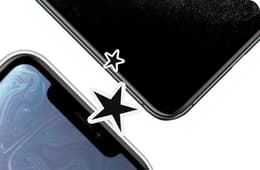
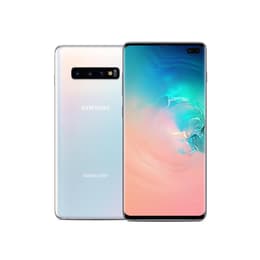
  • Screen Size and Design: The Galaxy S10 Plus has a larger 6.4-inch display with a punch-hole design for the front cameras, maximizing screen real estate. The iPhone XR features a 6.1-inch display with a notch at the top.

Resolution

1440 x 3040

828 x 1792

Screen type

Dynamic AMOLED

Liquid Retina IPS LCD

Audiovisual

Camera capabilities are a significant consideration for many users, and these phones approach photography with different hardware configurations.

  • Rear Camera System: The Galaxy S10 Plus boasts a versatile triple-camera system on the rear, including a wide-angle, telephoto, and ultrawide lens, offering more photographic flexibility. This setup allows for various shot types, from expansive landscapes to zoomed-in subjects. The iPhone XR features a single 12MP wide camera on the rear, which is capable of capturing detailed photos with good color accuracy.
  • Photography Features: Both devices offer features like optical image stabilization for clearer photos and videos. The Galaxy S10 Plus's multiple lenses provide more options for creative photography, including different focal lengths. The iPhone XR utilizes software to achieve portrait mode effects with adjustable background blur.
  • Front Camera and Video: The Galaxy S10 Plus includes a dual front-camera setup, which can enhance selfie quality and depth sensing. The iPhone XR has a single front camera that supports features like Portrait Mode and Face ID. Both phones are capable of recording 4K video.

Main camera

12 megapixels

12 megapixels

Front camera

10 megapixels

7 megapixels

Miscellaneous

Beyond core features, several practical elements contribute to the overall user experience and device utility.

  • Connectivity and Ports: The Galaxy S10 Plus supports Wi-Fi 6 and features a USB-C port, offering modern connectivity and charging standards. It also retains a 3.5mm headphone jack. The iPhone XR uses a Lightning port and supports Wi-Fi 5. It does not include a 3.5mm headphone jack.
  • Biometric Security: The Galaxy S10 Plus incorporates an ultrasonic in-display fingerprint sensor for secure unlocking. The iPhone XR relies on Face ID, Apple's facial recognition system, for secure authentication.
  • Design and Durability: Both phones feature glass backs and aluminum frames. The Galaxy S10 Plus has Corning Gorilla Glass 6 on the front and Gorilla Glass 5 on the back, along with an IP68 rating for water and dust resistance. The iPhone XR has an IP67 rating for water and dust resistance. The Galaxy S10 Plus is slightly heavier than the iPhone XR.

Weight

6 oz

7 oz

Screen size (inches)

6.4

6.1

Network

LTE

LTE

SIM card

Physical SIM

Physical SIM + eSIM

Carrier compatibility

Unlocked

Unlocked

Connector

USB-C + Jack 3.5mm

Lightning

The Samsung Galaxy S10 Plus and iPhone XR, while from different ecosystems, each offer a compelling set of features for various user needs. Users often praise the Galaxy S10 Plus for its expansive and vibrant display, versatile camera system, and the inclusion of a headphone jack and expandable storage. Some common criticisms might revolve around the software update longevity compared to iOS devices.

The iPhone XR is frequently lauded for its consistent performance, long-term software support, and the reliability of the iOS ecosystem. Users appreciate its straightforward camera experience and Face ID. Potential concerns sometimes include the display resolution compared to other devices in its class and the absence of a headphone jack.

Users prioritizing a high-resolution AMOLED display, a multi-lens camera setup for diverse photography, and the flexibility of Android with a traditional headphone jack and expandable storage may find the Galaxy S10 Plus well-suited to their needs. Conversely, individuals who value extended software support, the intuitive iOS experience, and robust facial recognition technology might lean towards the iPhone XR. Both devices represent solid choices, and considering a quality-assured refurbished option for either model can be an eco-friendly alternative for consumers.


See all articles

Our recent comparisons