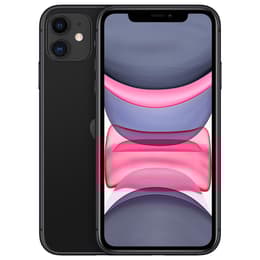

Galaxy S20 FE 5G • Unlocked vs iPhone 11 • Unlocked

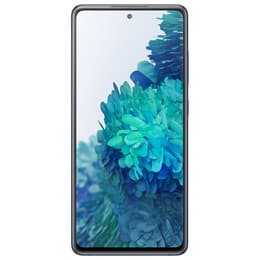
Galaxy S20 FE 5G • Unlocked
Starting at

Refurbished price:$135.00

Versus $903.28 new

See options
iPhone 11 • Unlocked
Starting at

Refurbished price:$152.00

Versus $499.00 new

See options

Ratings

The Samsung Galaxy S20 FE 5G and the iPhone 11 are both smartphones that offer distinct user experiences, having been released in October 2020 and September 2019, respectively. While the Galaxy S20 FE 5G operates on Android, the iPhone 11 runs on Apple's iOS platform, leading to fundamental differences in their software ecosystems. Key differentiators between these two devices include their display technology and camera configurations, catering to varying user preferences.

Scores

Durability

When considering the practical lifespan of these devices, several factors come into play, including their release timelines, software support, and repairability.

  • Release Timeline and OS Support: The iPhone 11, released in September 2019, typically receives major iOS updates for approximately 5-6 years from its launch, extending its software longevity. The Galaxy S20 FE 5G, launched in October 2020, started with Android 10 and was guaranteed three years of OS updates, with upgrades available up to Android 12 and One UI 4.1. This means the iPhone 11 generally offers a longer period of major software updates from its initial release date.
  • Repairability: The iPhone 11 has an iFixit repairability score of 6 out of 10, indicating that critical display and battery repairs are relatively straightforward. Information regarding the specific repairability score for the Galaxy S20 FE 5G is not as readily available, but generally, Android devices can vary.
  • Expected Practical Lifespan: Both devices are built to last, with their practical lifespan often extending beyond official software support, depending on individual usage and care. Users who prioritize the latest software features for the longest possible duration may find the iPhone 11's extended update cycle appealing, while the Galaxy S20 FE 5G still offers a robust experience for several years.

Release Year

2020

2019

Last OS Compatibility

No

Yes

OS

Android

iOS

Foldable

No

No

Performance

The performance of a smartphone is crucial for daily tasks, from app usage to multitasking and gaming. Both the Galaxy S20 FE 5G and the iPhone 11 deliver capable performance, though they approach it with different hardware architectures.

  • Processor Capabilities: The Galaxy S20 FE 5G is equipped with a processor that handles demanding applications and multitasking smoothly, ensuring a responsive user experience. The iPhone 11 features Apple's A13 Bionic processor, which provides robust performance for everyday use, gaming, and graphically intensive applications.
  • System Responsiveness and Multitasking: Users of the Galaxy S20 FE 5G report that the device maintains smooth operation even when cycling through multiple applications, with consistent performance over time. The iPhone 11, with its integrated hardware and software, offers fluid navigation and efficient multitasking, allowing applications to load quickly and run without significant delays.
  • Storage and Battery Behavior: The Galaxy S20 FE 5G offers storage options of 128GB and 256GB, expandable via a microSD card, providing flexibility for users who need more space. Its 4500 mAh battery is noted for providing excellent endurance, often lasting a full day of heavy use, with some users experiencing up to two days with moderate usage. The iPhone 11 comes with storage options of 64GB, 128GB, and 256GB, without expandable storage. Its 3110 mAh battery is designed to offer reliable power throughout the day, with improvements over its predecessor.

Memory (GB)

6 GB

4 GB

Screen quality

The visual experience is a significant aspect of smartphone usage, and the displays of the Galaxy S20 FE 5G and the iPhone 11 present different technologies and features.

  • Display Technology and Clarity: The Galaxy S20 FE 5G features a 6.5-inch Super AMOLED display with a 1080 x 2400 pixel resolution, offering vibrant colors, deep blacks, and high contrast. The iPhone 11 utilizes a 6.1-inch Liquid Retina HD IPS LCD display with a resolution of 1792 x 828 pixels, providing clear and sharp visuals.
  • Refresh Rate and Brightness: A notable difference is the Galaxy S20 FE 5G's 120Hz refresh rate, which contributes to smoother scrolling and a more fluid visual experience, particularly noticeable during gaming or fast-paced content. The iPhone 11 has a standard 60Hz refresh rate. In terms of brightness, the Galaxy S20 FE 5G's Super AMOLED panel offers strong outdoor visibility, while the iPhone 11's LCD display provides a typical maximum brightness of 625 nits.
  • Viewing Experience: The Galaxy S20 FE 5G's larger screen and higher refresh rate may appeal to users who consume a lot of media or engage in mobile gaming. The iPhone 11's display, while not OLED, is calibrated to deliver accurate colors and a consistent viewing experience, supporting True Tone and a wide color gamut.

Resolution

1080 x 2400

828 x 1792

Screen type

Super AMOLED

Liquid Retina IPS LCD

Audiovisual

Both smartphones offer capable camera systems designed to capture a variety of moments, though their approaches to imaging differ in hardware and software features.

  • Camera System Capabilities: The Galaxy S20 FE 5G features a versatile triple-camera setup on the rear, including a 12MP wide-angle lens with optical image stabilization (OIS), a 12MP ultra-wide-angle lens, and an 8MP telephoto lens capable of 3x optical zoom and up to 30x digital zoom. The iPhone 11 comes with a dual 12MP camera system, comprising a wide-angle lens with OIS and an ultra-wide-angle lens.
  • Photography Performance: The Galaxy S20 FE 5G's camera system is praised for its ability to capture detailed images with good color reproduction in various conditions, including an effective Night mode. The iPhone 11 introduced significant improvements in low-light photography with its Night mode and features like Deep Fusion for enhanced detail and texture in medium-light conditions, alongside Smart HDR for balanced exposures.
  • Video Recording and Audio: Both devices support 4K video recording at up to 60 frames per second, offering high-quality video capture. The Galaxy S20 FE 5G also includes a 32MP front-facing camera, while the iPhone 11 has a 12MP TrueDepth front camera, both capable of capturing detailed selfies and video. The Galaxy S20 FE 5G features stereo speakers, providing a good audio experience for media consumption. The iPhone 11 also offers stereo sound, contributing to an immersive audio experience.

Main camera

12 megapixels

12 megapixels

Front camera

32 megapixels

12 megapixels

Miscellaneous

Beyond core features, several practical elements contribute to the overall user experience and daily convenience of these smartphones.

  • Connectivity and Ports: The Galaxy S20 FE 5G supports 5G connectivity, offering faster mobile data speeds where available, along with Wi-Fi 6 and Bluetooth 5.0. It features a USB Type-C 3.2 port for charging and data transfer. The iPhone 11 supports Gigabit-class 4G LTE, Wi-Fi 6, and Bluetooth 5.0, but does not include 5G capabilities. It uses Apple's proprietary Lightning port.
  • Security and Sensors: The Galaxy S20 FE 5G incorporates an under-display optical fingerprint sensor for biometric authentication, alongside virtual proximity sensing. The iPhone 11 relies on Face ID, Apple's facial recognition system, for secure unlocking and authentication. Both devices include standard sensors like accelerometers, gyroscopes, and compasses.
  • Design and Build Materials: The Galaxy S20 FE 5G features a glass front (Gorilla Glass 3), a plastic back, and an aluminum frame, contributing to its lightweight feel at 190 grams. It is IP68 rated for dust and water resistance, capable of submersion up to 1.5 meters for 30 minutes. The iPhone 11 has a glass front and back with an aluminum frame, weighing 194 grams. It also carries an IP68 rating, offering water resistance up to 2 meters for 30 minutes.

Weight

6 oz

7 oz

Screen size (inches)

6.5

6.1

Network

5G

LTE

SIM card

Physical SIM

Physical SIM + eSIM

Carrier compatibility

Unlocked

Unlocked

The Samsung Galaxy S20 FE 5G and the iPhone 11 each present a compelling package, tailored to different user priorities and preferences. User sentiment often highlights the Galaxy S20 FE 5G's vibrant Super AMOLED display with its high refresh rate and versatile camera system as strong points. Its expandable storage and 5G connectivity are also frequently praised. Some users, however, have noted that the plastic back, while durable, might not feel as premium as glass. The iPhone 11 is consistently lauded for its robust performance, intuitive iOS ecosystem, and significant improvements in camera capabilities, particularly its Night mode. Common criticisms sometimes point to its LCD display technology compared to OLED alternatives and the absence of 5G connectivity.

Users prioritizing a high refresh rate display, expandable storage, and 5G connectivity may find the Samsung Galaxy S20 FE 5G to be a suitable choice. Its flexible camera system also appeals to those who enjoy experimenting with different focal lengths. Conversely, users who value a seamless and long-supported software experience, strong privacy features, and a consistent performance across applications may lean towards the iPhone 11. Its integrated ecosystem and Face ID security are also key considerations. Both devices represent solid options in the smartphone market, and choosing between them often comes down to individual preferences for operating system, display characteristics, and specific camera features. For those seeking an eco-friendly and quality-assured alternative, considering a refurbished version of either model can be a sustainable choice.

See all articles

Our recent comparisons