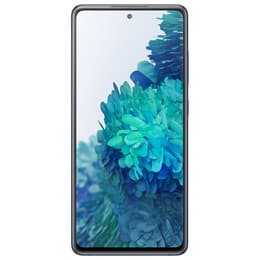
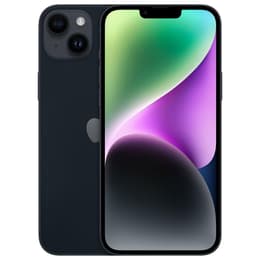
Galaxy S20 FE 5G • Unlocked vs iPhone 14 Plus • Locked T-Mobile

Galaxy S20 FE 5G • Unlocked
Starting at

Refurbished price:$135.00

Versus $903.28 new

See options
iPhone 14 Plus • Locked T-Mobile
Starting at

Refurbished price:$344.23

Versus $699.00 new

See options

Ratings

The Samsung Galaxy S20 FE 5G, released in October 2020, and the iPhone 14 Plus, launched in October 2022, represent distinct approaches to smartphone design and functionality from their respective manufacturers. While both offer robust performance and capable camera systems, the primary differentiators lie in their operating systems, display technologies, and overall ecosystem experiences. The Galaxy S20 FE 5G runs on the Android platform, offering customization and expandable storage, whereas the iPhone 14 Plus operates on iOS, known for its integrated services and streamlined user interface.

Scores

Durability

When considering the long-term usability of these devices, their release timelines and software support cycles are key factors. The Galaxy S20 FE 5G, being an Android device from late 2020, has received several major operating system updates, typically concluding its major OS upgrade cycle around three years post-launch, with security updates extending for an additional year or two. The iPhone 14 Plus, released two years later, benefits from Apple's generally longer software support, offering a more extended period of major iOS updates and security patches.

  • Software Longevity: The iPhone 14 Plus is expected to receive major iOS updates for a longer duration compared to the Galaxy S20 FE 5G, providing access to newer features and security enhancements for more years.
  • Physical Durability: Both devices feature an IP68 rating for dust and water resistance. The iPhone 14 Plus incorporates a Ceramic Shield front cover, designed for enhanced drop performance, while the Galaxy S20 FE 5G uses Gorilla Glass 3 on its front display and features a plastic back with an aluminum frame.
  • Repairability: While specific repairability scores can vary, both devices are designed with internal components that require specialized tools and expertise for repair. Users considering a quality-assured refurbished option for either model can benefit from devices that have undergone professional inspection and restoration.

Release Year

2020

2022

Last OS Compatibility

No

Yes

OS

Android

iOS

Foldable

No

No

Performance

The performance of a smartphone is crucial for daily tasks, from browsing to demanding applications. Both the Galaxy S20 FE 5G and the iPhone 14 Plus deliver smooth experiences, though they achieve this with different underlying hardware architectures.

  • Processing Power: The iPhone 14 Plus is equipped with a powerful current-generation processor that handles demanding applications, intensive gaming, and video editing with notable fluidity and responsiveness. The Galaxy S20 FE 5G features a high-efficiency processor that provides a smooth user experience for everyday tasks and can manage large-scale online games and multiple applications without significant delays.
  • Multitasking and Responsiveness: Both devices offer ample memory to support efficient multitasking, allowing users to switch between applications seamlessly. The iPhone 14 Plus typically comes with 6GB of RAM, while the Galaxy S20 FE 5G is available with either 6GB or 8GB of RAM, contributing to their overall system responsiveness.
  • Storage Flexibility: The Galaxy S20 FE 5G offers internal storage options of 128GB or 256GB and includes a microSD card slot for expandable storage, allowing users to increase their storage capacity significantly. The iPhone 14 Plus is available with 128GB, 256GB, or 512GB of internal storage, but it does not support expandable storage.

Memory (GB)

6 GB

6 GB

Screen quality

The visual experience is a significant aspect of smartphone usage, and both devices offer vibrant displays, albeit with different characteristics that cater to varying preferences.

  • Display Technology and Clarity: The iPhone 14 Plus features a 6.7-inch Super Retina XDR OLED display, providing deep blacks, vibrant colors, and high contrast. The Galaxy S20 FE 5G comes with a 6.5-inch Super AMOLED display, also known for its rich colors and excellent contrast. Both offer clear visuals for typical viewing.
  • Refresh Rate and Smoothness: The Galaxy S20 FE 5G boasts a 120Hz refresh rate, which contributes to smoother scrolling and a more fluid visual experience, particularly noticeable during gaming or fast-paced content. The iPhone 14 Plus features a standard 60Hz refresh rate, which provides a consistent and responsive experience for most users.
  • Brightness and Viewing Experience: Both displays offer good brightness levels for outdoor visibility. The iPhone 14 Plus can reach up to 800 nits typical brightness and 1200 nits peak brightness for HDR content, ensuring content remains visible even in bright conditions. The Galaxy S20 FE 5G's AMOLED display also provides ample brightness for comfortable viewing in various lighting environments.

Resolution

1080 x 2400

1284 x 2778

Screen type

Super AMOLED

Super Retina XDR OLED

Audiovisual

For many users, the camera system is a primary consideration, and both the Galaxy S20 FE 5G and the iPhone 14 Plus offer capable setups for capturing photos and videos.

  • Rear Camera Systems: The iPhone 14 Plus features a dual-camera system with a 12MP main wide lens and a 12MP ultra-wide lens. It excels in low-light performance and offers advanced computational photography features like Photonic Engine and Smart HDR 4. The Galaxy S20 FE 5G provides a versatile triple-camera setup, including a 12MP wide, 12MP ultra-wide, and an 8MP telephoto lens with 3x optical zoom, offering more flexibility for different shooting scenarios, including distant subjects.
  • Video Recording Capabilities: The iPhone 14 Plus supports 4K Dolby Vision HDR video recording at various frame rates, along with Cinematic mode for depth-of-field effects and Action mode for stabilized video. The Galaxy S20 FE 5G also records 4K video at 30/60fps and includes features like gyro-EIS for stable footage.
  • Front Camera and Audio: Both devices feature capable front-facing cameras for selfies and video calls. The iPhone 14 Plus has a 12MP TrueDepth camera with autofocus and advanced features. The Galaxy S20 FE 5G comes with a 32MP front camera. For audio, both offer stereo speakers, providing an immersive media consumption experience.

Main camera

12 megapixels

12 megapixels

Front camera

32 megapixels

12 megapixels

Miscellaneous

Beyond core performance and display, several practical elements contribute to the overall user experience and differentiate these two smartphones.

  • Connectivity and Ports: Both devices support 5G connectivity and Wi-Fi 6 for fast wireless speeds. The iPhone 14 Plus utilizes a Lightning port for charging and data transfer, and in the US, it relies solely on eSIM technology. The Galaxy S20 FE 5G features a USB-C port and supports physical SIM cards, with some variants offering hybrid dual SIM functionality.
  • Biometric Security: The iPhone 14 Plus uses Face ID for secure facial recognition, enabling quick unlocking and authentication. The Galaxy S20 FE 5G incorporates an optical under-display fingerprint sensor for biometric security.
  • Design and Handling: The iPhone 14 Plus has dimensions of 160.8 x 78.1 x 7.8 mm and weighs 203 grams, offering a large screen experience in a relatively slim profile. The Galaxy S20 FE 5G measures 159.8 x 74.5 x 8.4 mm and weighs 190 grams, making it slightly more compact and lighter.

Weight

6 oz

7 oz

Screen size (inches)

6.5

6.7

Network

5G

5G

SIM card

Physical SIM

eSIM

Carrier compatibility

Unlocked

T-Mobile

The choice between the Samsung Galaxy S20 FE 5G and the iPhone 14 Plus depends significantly on individual priorities and ecosystem preference. Users often praise the iPhone 14 Plus for its exceptional battery life, large and vibrant display, and the consistent performance of its camera system, particularly in video recording and low-light conditions. Some common feedback notes its 60Hz display refresh rate as a point of comparison with other devices in its category.

The Galaxy S20 FE 5G is frequently lauded for its versatile camera setup, including a dedicated telephoto lens, its smooth 120Hz display, and the flexibility of expandable storage. User discussions sometimes highlight its software update longevity compared to Apple's longer support window.

Users prioritizing a large display, extended software support, and a highly integrated ecosystem with strong video capabilities may find the iPhone 14 Plus well-suited to their needs. Conversely, those who value a high refresh rate display, the versatility of a telephoto camera, and the option for expandable storage, along with the Android operating system's customization, may lean toward the Galaxy S20 FE 5G. Both devices offer a reliable smartphone experience, and considering a quality-assured refurbished option for either model can be an eco-friendly alternative to purchasing new.


See all articles

Our recent comparisons