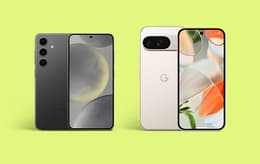
Galaxy S21 5G • Unlocked vs Google Pixel 9 • Unlocked

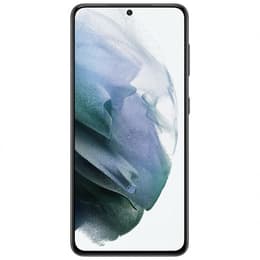
Galaxy S21 5G • Unlocked
Starting at

Refurbished price:$132.99

Versus $1,000.00 new

See options
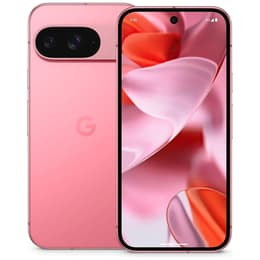
Google Pixel 9 • Unlocked
Starting at

Refurbished price:$370.00

Versus $589.14 new

See options

Ratings

The Samsung Galaxy S21 5G, released in January 2021, and the Google Pixel 9, launched in August 2024, represent different generations of flagship smartphones. While both devices offer a premium Android experience, the Pixel 9 introduces more recent advancements in processing power, camera technology, and software longevity. Both operate on the Android platform, but their approaches to hardware and software integration differ, influencing their overall user experience.

Scores

Durability

The practical lifespan of a smartphone is significantly influenced by its release timeline and the duration of software support it receives.

  • Release Timeline: The Galaxy S21 5G was released in January 2021, making it an older model compared to the Google Pixel 9, which launched in August 2024. This age difference directly impacts their remaining software support and hardware relevance.
  • Software Longevity: The Galaxy S21 5G launched with Android 11 and has likely received its last major Android OS update around Android 14, aligning with Samsung's typical update policy of three to four major OS versions for this series. In contrast, the Google Pixel 9 launched with Android 15 and is expected to receive seven years of major OS updates, extending its software support significantly further into the future.
  • Repairability and Durability: Both devices feature an IP68 rating for dust and water resistance, indicating a similar level of protection against environmental elements. The Galaxy S21 5G uses Gorilla Glass Victus on the front and a plastic back, while the Pixel 9 features Gorilla Glass Victus 2 on both the front and back, alongside an aluminum frame.

Release Year

2021

2024

Last OS Compatibility

Yes

Yes

OS

Android

Android

Foldable

No

No

Performance

Performance in daily use is a key differentiator, with the newer Pixel 9 benefiting from more recent hardware advancements.

  • Processing Capabilities: The Galaxy S21 5G is powered by a processor from early 2021, which capably handles everyday applications and multitasking. The Google Pixel 9, featuring the Tensor G4 processor, offers enhanced performance for demanding applications, advanced AI features, and smoother overall system responsiveness due to its more recent architecture.
  • Multitasking and Storage: The Galaxy S21 5G comes with 8GB of RAM, providing sufficient capacity for typical multitasking. The Pixel 9 is equipped with 12GB of RAM, allowing for more intensive multitasking and smoother transitions between numerous open applications. Both devices offer 128GB and 256GB storage options, with the Pixel 9 utilizing UFS 3.1 storage for faster data access, though neither supports expandable storage via microSD cards.
  • Battery Behavior: The Galaxy S21 5G includes a 4000 mAh battery, designed to provide a full day of moderate use. The Pixel 9 features a larger 4700 mAh battery, which, combined with its efficient processor and software optimizations, is designed to offer extended usage times, with claims of over 24 hours of typical use and up to 100 hours with extreme power-saving modes.

Memory (GB)

8 GB

12 GB

Screen quality

The visual experience on both devices is delivered through high-quality displays, though the Pixel 9 incorporates newer display technology.

  • Display Technology and Clarity: The Galaxy S21 5G features a 6.2-inch Dynamic AMOLED 2X display with a resolution of 2400 x 1080 pixels, providing clear and vibrant visuals. The Google Pixel 9 has a slightly larger 6.3-inch OLED display with a resolution of 2424 x 1080 pixels, offering comparable clarity. The Pixel 9 utilizes Samsung's M14 OLED technology, which is designed for improved brightness and longevity.
  • Brightness and Smoothness: Both phones offer a 120Hz adaptive refresh rate, contributing to smooth scrolling and responsive interactions. The Galaxy S21 5G can reach a peak brightness of 1300 nits, ensuring good visibility in various lighting conditions. The Pixel 9 boasts higher brightness levels, with up to 1800 nits for HDR content and a peak brightness of up to 2700 nits, enhancing outdoor visibility and HDR content consumption.
  • Viewing Experience: Both displays support HDR content, delivering a wide range of colors and contrast. The Pixel 9's newer OLED panel technology may offer a more refined color accuracy and energy efficiency.

Resolution

1080 x 2400

1080 x 2424

Screen type

Dynamic AMOLED 2X

OLED

Audiovisual

Both smartphones are equipped with capable camera systems, but the Pixel 9 benefits from newer sensor technology and advanced computational photography.

  • Rear Camera Systems: The Galaxy S21 5G features a versatile triple-camera setup, including a 12MP wide-angle lens with optical image stabilization (OIS), a 64MP telephoto lens with 3x hybrid zoom and OIS, and a 12MP ultrawide lens. The Google Pixel 9 comes with a dual-camera system, featuring a 50MP wide-angle lens with OIS and a 48MP ultrawide lens with a 123-degree field of view.
  • Photography Performance: The Galaxy S21 5G is known for its detailed photos and 8K video recording capabilities at 24 frames per second. The Pixel 9 leverages its advanced processor for computational photography, offering features like Night Sight for improved low-light performance, and Super Res Zoom up to 8x (digital). It also supports 4K video recording at 60 frames per second, with AI upscaling to 8K resolution available on Pro models.
  • Front Camera and Audio: For selfies, the Galaxy S21 5G has a 10MP front camera. The Pixel 9 features a 10.5MP front camera. Both devices offer stereo speakers for media consumption and clear microphone quality for calls and recordings.

Main camera

12 megapixels

50 megapixels

Front camera

10 megapixels

10.5 megapixels

Miscellaneous

Beyond core features, several practical elements contribute to the overall user experience of these devices.

  • Connectivity and Ports: Both phones support 5G connectivity for fast mobile data. The Galaxy S21 5G includes Wi-Fi 6 and Bluetooth 5.0. The Pixel 9 features more advanced connectivity with Wi-Fi 7 and Bluetooth 5.3, offering potentially faster and more stable wireless connections. Both utilize a USB-C port for charging and data transfer.
  • Biometrics and Sensors: The Galaxy S21 5G incorporates an in-display ultrasonic fingerprint sensor for secure unlocking. The Pixel 9 also features an in-display fingerprint sensor and includes additional AI-powered features for enhanced user interaction. A notable addition to the Pixel 9 is its Satellite SOS capability, allowing connection to emergency services via satellite in areas without cellular or Wi-Fi coverage.
  • Design and Handling: The Galaxy S21 5G has dimensions of 151.7 x 71.2 x 7.9 mm and weighs 169g, offering a compact and lightweight feel. The Pixel 9 is slightly larger and heavier at 152.8 x 72.0 x 8.5mm and 198g, but still maintains a manageable form factor. The Pixel 9's design includes a metal frame made from 100% recycled aluminum, aligning with sustainability efforts.

Weight

7 oz

7 oz

Screen size (inches)

6.2

6.3

Network

5G

5G

SIM card

Physical SIM + eSIM

Physical SIM + eSIM

Carrier compatibility

Unlocked

Unlocked

Users often praise the Samsung Galaxy S21 5G for its vibrant display, capable camera system, and overall balanced performance for its generation. Common criticisms, particularly in the current landscape, might revolve around its shorter remaining software support compared to newer devices and its battery life for heavy users. The Google Pixel 9, on the other hand, is frequently lauded for its advanced computational photography, extended software update commitment, and the integration of Google's latest AI features. Some users might note its slightly higher weight or the absence of a telephoto lens on the base model as points of consideration.

Users prioritizing long-term software support, cutting-edge AI capabilities, and superior low-light photography may find the Google Pixel 9 well-suited to their needs. Its newer processor and larger battery capacity also cater to those seeking enhanced performance and endurance. Conversely, users who prefer a more compact and lighter device, and who are content with a still-capable camera system and a slightly older, but proven, Android experience, might lean towards the Galaxy S21 5G. Both devices offer a quality Android experience, and choosing between them often comes down to valuing the latest technological advancements and extended longevity versus a more established, slightly older, but still functional device. For those considering either model, exploring refurbished options can provide an eco-friendly alternative to acquiring a quality-assured device.

See all articles

Our recent comparisons