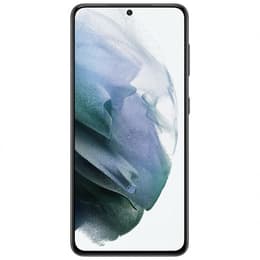
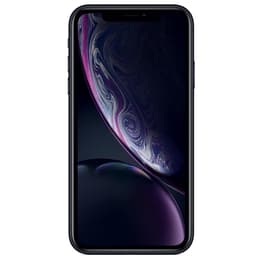

Galaxy S21 5G • Unlocked vs iPhone XR • Unlocked

Galaxy S21 5G • Unlocked
Starting at

Refurbished price:$132.99

Versus $1,000.00 new

See options
iPhone XR • Unlocked
Starting at

Refurbished price:$122.99

Versus $299.00 new

See options

Ratings

The Samsung Galaxy S21 5G, released in January 2021, and the iPhone XR, launched in October 2018, represent different generations and operating systems within the smartphone market. The Galaxy S21 5G operates on Android, offering a modern feature set and 5G connectivity, while the iPhone XR runs on Apple's iOS, known for its user experience and long-term software support. These devices cater to distinct user preferences, with key differences in display technology, camera capabilities, and overall design.

Scores

Durability

The durability and expected lifespan of a smartphone are important considerations for users. The Galaxy S21 5G, released in January 2021, benefits from a more recent manufacturing date, potentially offering a longer period of major software updates compared to the iPhone XR, which was released in October 2018.

  • OS Support: The Galaxy S21 5G received its final major Android OS update (Android 15-based One UI 7.0) in the first half of 2025, with security updates ending around January 2026. The iPhone XR, launched with iOS 12, received annual iOS updates through 2024, with iOS 18 marking its final major software update. It continues to receive security updates, with support potentially extending into 2026-2028.
  • Repairability: The Galaxy S21 5G has a repairability score of 4 out of 10 by iFixit, with some parts being modular but the battery being difficult to remove due to strong adhesive. The iPhone XR scored 6 out of 10, indicating moderate repairability, with common repairs like display and battery replacements being relatively straightforward.
  • Materials: The Galaxy S21 5G features a Gorilla Glass Victus front and a plastic back, combined with an aluminum frame. The iPhone XR uses a glass front and back with an aluminum frame.

Release Year

2021

2018

Last OS Compatibility

Yes

Yes

OS

Android

iOS

Foldable

No

No

Performance

Performance aspects like storage, battery behavior, and system responsiveness directly impact daily usage. The Galaxy S21 5G offers more contemporary hardware, leading to a generally more responsive experience.

  • Storage and RAM: The Galaxy S21 5G typically comes with 8GB of RAM and storage options of 128GB or 256GB. The iPhone XR features 3GB of RAM and storage options including 64GB, 128GB, and 256GB. The higher RAM in the S21 5G allows for smoother multitasking and app handling.
  • Battery Behavior: The Galaxy S21 5G is equipped with a 4000 mAh battery, which generally provides all-day power for typical use, though heavy 5G usage can lead to more frequent charging. The iPhone XR has a 2942 mAh battery, and users often report good battery life, sometimes lasting a full day even with moderate to heavy use.
  • System Responsiveness: The Galaxy S21 5G's more recent processor handles demanding applications and multitasking with fluidity, providing a fast and smooth user experience. The iPhone XR, while still capable for everyday tasks, may show its age with more intensive applications or future software updates.

Memory (GB)

8 GB

3 GB

Screen quality

The visual experience is a primary interaction point with any smartphone, and display technology plays a significant role. The Galaxy S21 5G features a more advanced display compared to the iPhone XR.

  • Display Technology: The Galaxy S21 5G boasts a 6.2-inch Dynamic AMOLED 2X display, known for its deep blacks, vibrant colors, and high contrast. The iPhone XR features a 6.1-inch Liquid Retina IPS LCD, which provides accurate colors and good brightness, though it does not achieve the same contrast levels as an OLED panel.
  • Resolution and Refresh Rate: The Galaxy S21 5G offers a resolution of 1080 x 2400 pixels and a dynamic refresh rate up to 120Hz, resulting in smoother scrolling and more fluid animations. The iPhone XR has a resolution of 828 x 1792 pixels and a standard 60Hz refresh rate.
  • Brightness: Both devices offer sufficient brightness for indoor and outdoor viewing. The Galaxy S21 5G can reach higher peak brightness levels, which can be beneficial in direct sunlight. The iPhone XR provides a typical maximum brightness of 625 nits.

Resolution

1080 x 2400

828 x 1792

Screen type

Dynamic AMOLED 2X

Liquid Retina IPS LCD

Audiovisual

Camera and audio capabilities are crucial for capturing memories and consuming media. There are notable differences in the camera systems of these two devices.

  • Camera System: The Galaxy S21 5G features a versatile triple-camera setup on the rear, including a 12MP wide, 12MP ultrawide, and a 64MP telephoto lens, offering optical image stabilization on the main and telephoto lenses. The iPhone XR has a single 12MP wide-angle rear camera with optical image stabilization.
  • Photography Performance: The Galaxy S21 5G provides strong performance across various lighting conditions, with improved low-light capabilities and advanced features like Director's View for video. The iPhone XR's single camera performs well in good lighting, producing natural colors and sharp images, but it lacks a dedicated Night Mode and may struggle more in very low-light scenarios compared to newer devices.
  • Video Recording: Both phones are capable of recording 4K video at 60 frames per second. The Galaxy S21 5G also supports 8K video recording at 24 frames per second. The iPhone XR's video quality is generally considered good for casual use.

Main camera

12 megapixels

12 megapixels

Front camera

10 megapixels

7 megapixels

Miscellaneous

Beyond core features, other practical elements contribute to the overall user experience, from connectivity to physical design.

  • Connectivity: The Galaxy S21 5G supports 5G networks, Wi-Fi 6, and Bluetooth 5.0, offering faster data speeds and more robust wireless connections. The iPhone XR supports 4G LTE, Wi-Fi 5 (802.11ac), and Bluetooth 5.0.
  • Ports and Sensors: The Galaxy S21 5G uses a USB-C port for charging and data transfer and features an under-display fingerprint scanner for biometric authentication. The iPhone XR uses a Lightning port and relies on Face ID for secure unlocking and authentication.
  • Design and Materials: The Galaxy S21 5G measures 151.7 x 71.2 x 7.9 mm and weighs 169 grams, featuring a plastic back that some users find less premium than glass, but it can offer better grip and durability against shattering. The iPhone XR measures 150.9 x 75.7 x 8.3 mm and weighs 194 grams, with a glass back and aluminum frame.

Weight

7 oz

7 oz

Screen size (inches)

6.2

6.1

Network

5G

LTE

SIM card

Physical SIM + eSIM

Physical SIM + eSIM

Carrier compatibility

Unlocked

Unlocked

User feedback often highlights the strengths and weaknesses of these devices in real-world scenarios. For the Galaxy S21 5G, common praise points include its vibrant display, smooth performance, and versatile camera system. Users appreciate its compact size for a modern flagship and the inclusion of 5G connectivity. Some criticisms have been directed at its battery life for heavy users, especially with 5G enabled, and the plastic back material.

The iPhone XR is frequently praised for its strong battery life, reliable performance for everyday tasks, and the consistent quality of its single camera in good lighting conditions. Its range of color options was also a popular feature. However, common criticisms include its lower-resolution LCD screen compared to OLED alternatives and the absence of a telephoto lens.

Users prioritizing a more modern Android experience with a high refresh rate display, advanced camera features, and 5G connectivity will find the Galaxy S21 5G well-suited to their needs. It offers a powerful platform for demanding applications and multimedia consumption. Conversely, users who value long-term software support, a straightforward user experience, and robust battery life for an older device may lean toward the iPhone XR. It remains a capable device for general use, especially for those integrated into the Apple ecosystem. Both models are available as quality-assured refurbished options, providing a sustainable choice for consumers.


See all articles

Our recent comparisons