
Samsung
Compare models
Differences at a glance
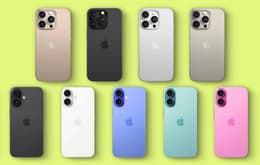
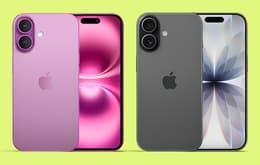
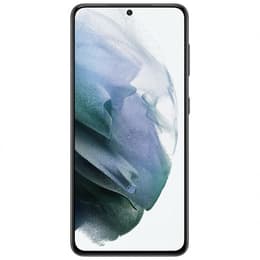
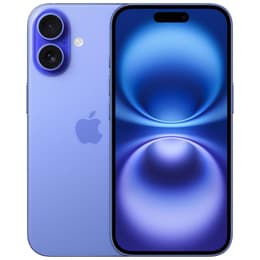
The Samsung Galaxy S21 5G, released in January 2021, and the Apple iPhone 16, launched in September 2024, represent different generations of flagship smartphones from their respective manufacturers. While both devices offer premium mobile experiences, the iPhone 16 benefits from more recent technological advancements, particularly in processing power and camera capabilities. The Galaxy S21 5G operates on Android, offering a customizable user experience, whereas the iPhone 16 runs on Apple's iOS, known for its integrated ecosystem and streamlined interface.
Color
Storage
The practical lifespan of a smartphone is significantly influenced by its release date and the manufacturer's software support policy. The Galaxy S21 5G, being an older model, has a shorter remaining support window compared to the more recently released iPhone 16.
Release Year
Last OS Compatibility
Foldable
Performance is a key differentiator, with the iPhone 16 benefiting from a significantly newer processor, leading to noticeable improvements in speed and efficiency compared to the Galaxy S21 5G.
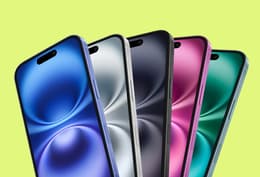
Both devices offer vibrant displays, but the iPhone 16 introduces advancements in brightness and overall visual experience, while the Galaxy S21 5G holds its own with a high refresh rate.
Resolution
Screen type
The camera systems on both devices are capable, but the iPhone 16 benefits from newer sensor technology and advanced computational photography features, offering a more versatile and refined imaging experience.
Main camera
Front camera
Beyond core features, several practical elements differentiate these two smartphones, impacting daily usability and connectivity.
Weight
Screen size (inches)
Network
SIM card
Carrier compatibility
The Samsung Galaxy S21 5G and the iPhone 16 cater to different user priorities, largely due to their generational gap and distinct operating systems. Users often praise the Galaxy S21 5G for its vibrant 120Hz AMOLED display and versatile camera system, particularly its telephoto capabilities and 8K video recording. Some common criticisms for the S21 5G include its plastic back (on the base model) and battery life that, while adequate, may not satisfy heavy users through extended periods without a charge. Consensus opinions highlight its strong performance for its release era and the flexibility of the Android ecosystem.
The iPhone 16, being a more recent release, is frequently lauded for its powerful and efficient processor, significantly improved camera system with advanced computational photography, and enhanced battery life. Users appreciate the seamless integration within the Apple ecosystem and the long-term software support. A frequent point of discussion for the base iPhone 16 model is the continued use of a 60Hz display, which some users find less fluid compared to higher refresh rate screens on competing devices. The USB-C port, while a welcome change, operates at USB 2.0 speeds, which can be a minor point of contention for those transferring large files.
Users prioritizing a highly responsive device with cutting-edge camera technology and extended software longevity will find the iPhone 16 well-suited to their needs. Its robust performance makes it ideal for demanding applications and content creation. Conversely, users who value a high refresh rate display for smoother interactions, a more traditional telephoto lens, and the open customization options of the Android platform may lean towards the Galaxy S21 5G. Both devices offer reliable performance for daily tasks, and choosing between them often comes down to preference for operating system, specific camera features, and display fluidity. For those seeking a more sustainable choice, both models are available as quality-assured refurbished options, extending their lifecycle and reducing electronic waste.