
Compare models

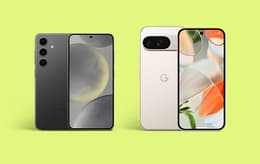
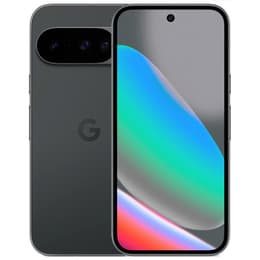
Google Pixel 10 • Unlocked vs iPhone 16e • Unlocked

  • 1-year warranty
  • Free standard shipping
  • Free 30-day returns
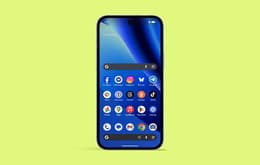
Google Pixel 10 • Unlocked
Starting at

Refurbished price:$429.00

Versus $899.00 new

See options
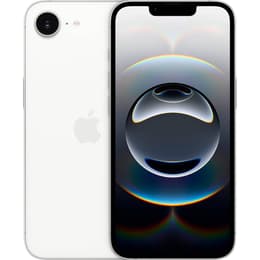
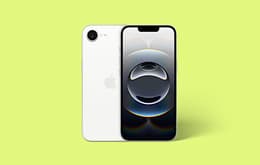
iPhone 16e • Unlocked
Starting at

Refurbished price:$367.00

Versus $599.00 new

See options

Differences at a glance

The Google Pixel 10 (2025) and the Apple iPhone 16e (2025) represent two distinct approaches to modern smartphone engineering within the Android and iOS ecosystems. While the Google Pixel 10 runs on Android 16 with a heavy focus on integrated artificial intelligence features, the iPhone 16e operates on iOS and prioritizes streamlined efficiency in a minimalist framework. These devices offer alternative pathways for users seeking current technology tailored to different operating system preferences.

Available Models

Color

Storage (GB)

Scores

Durability

Both smartphones provide robust long-term usability, though their support timelines and repair frameworks reflect their respective manufacturer standards.

  • Software longevity: The Google Pixel 10 benefits from extended operating system support spanning multiple years, while the iPhone 16e maintains Apple's traditional multi-year software update cycle.
  • Repairability and build durability: Both models feature modern water resistance ratings and sturdy aluminum construction, facilitating straightforward component servicing through authorized channels.
  • Expected practical lifespan: Generous memory configurations and efficient internal processing ensure that both devices will remain functionally viable for heavy daily tasks over several years of ownership.

Release Year

2025

2025

OS

Android

iOS

Foldable

No

No

Performance

Handling daily operations, multitasking, and mobile applications, these devices deliver smooth system responsiveness through distinct hardware configurations.

  • Multitasking and memory handling: The Google Pixel 10 utilizes ample RAM capacity to keep numerous background applications active simultaneously, whereas the iPhone 16e relies on optimized software integration to manage background tasks smoothly.
  • App loading and gaming capability: Current-generation internal processors in both handsets ensure rapid application launch times, fluid frame rates during gaming, and reliable thermal management under sustained workloads.
  • Battery behavior: Each device incorporates efficient power management features, allowing moderate to heavy users to navigate a full day of mixed navigation, messaging, and media streaming before requiring a recharge.

Screen quality

Visual output varies across both models, offering distinct display sizes, panel technologies, and refreshment characteristics for everyday media consumption.

  • Display technology and clarity: The Google Pixel 10 features a vibrant OLED panel with high peak brightness levels for outdoor readability, while the iPhone 16e utilizes a crisp Super Retina XDR display with deep contrast and accurate color reproduction.
  • Refresh rate smoothness: The Google Pixel 10 supports a high refresh rate for fluid scrolling through web pages and menus, whereas the iPhone 16e employs a standard refresh rate optimized for power efficiency.
  • Viewing experience: Both screens offer comfortable viewing angles and ample workspace for reading documents, viewing photographs, and watching video content.

Resolution

1080x2424

2532x1170

Screen type

OLED

Super Retina XDR

Audiovisual

Capturing memories and handling audio-visual output, each smartphone brings unique capabilities to photography and media playback.

  • Camera hardware versatility: The Google Pixel 10 incorporates a versatile multi-lens rear camera array including dedicated optical zoom capabilities, while the iPhone 16e relies on a streamlined single-lens high-resolution sensor system.
  • Low-light and video performance: Both handsets excel at balancing highlights and shadows in challenging lighting conditions while offering stable high-resolution video recording modes.
  • Audio output: Integrated stereo speakers deliver clear vocal reproduction and balanced sound for hands-free calls and media streaming.

Main camera

Advanced Triple Rear

48MP

Front camera

10.5-megapixel Dual PD selfie camera with autofocus

TrueDepth 12MP

Miscellaneous

Physical dimensions, connectivity standards, and daily handling features shape the ergonomic profile of each device.

  • Connectivity options: Both models support modern 5G cellular networks, current Wi-Fi protocols, and rapid Bluetooth pairing for accessory integration.
  • Biometric security: The Google Pixel 10 provides secure face recognition alongside an in-display fingerprint sensor, whereas the iPhone 16e utilizes facial scanning technology for authentication.
  • Ergonomics and weight: Slim profiles and balanced weight distributions ensure comfortable one-handed use and effortless pocket storage.

Weight

7 oz

167 oz

Screen size (inches)

6.3

6.1

Network

LTE

5G

SIM card

eSIM

eSIM

Carrier compatibility

Unlocked

Unlocked

Connector

USB-C

USB-C

What the community thinks

User discussions across public forums frequently highlight the Google Pixel 10 for its versatile multi-lens camera system, smooth high-refresh-rate screen, and deeply integrated artificial intelligence tools. Conversely, community feedback often praises the iPhone 16e for its streamlined iOS interface, dependable battery duration, and reliable daily processing speed. Common criticisms for both models generally center on the absence of included power adapters in the box and limited base storage options.

Users prioritizing advanced photographic zoom options and a customizable Android interface will find the Google Pixel 10 well-suited to their needs. Meanwhile, users who prefer the Apple ecosystem and a straightforward, efficient mobile experience may lean toward the iPhone 16e. For environmentally conscious shoppers, choosing a quality-assured refurbished option provides a sustainable way to access these technologies while reducing electronic waste.

Evaluating personal software preferences and everyday usage habits will ultimately guide the most appropriate device selection.
Our recent comparisons