Galaxy S21 FE 5G • Locked AT&T vs iPhone 14 • Unlocked

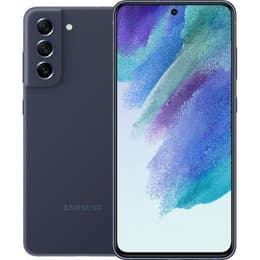
Galaxy S21 FE 5G • Locked AT&T
Starting at

Refurbished price:$135.00

Versus $699.99 new

See options
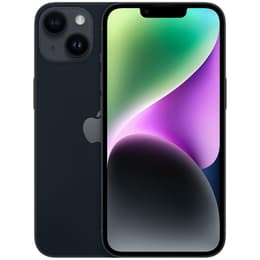
iPhone 14 • Unlocked
Starting at

Refurbished price:$254.00

Versus $629.00 new

See options

Ratings

The Samsung Galaxy S21 FE 5G, released in January 2022, and the Apple iPhone 14, launched in September 2022, represent two distinct approaches to the modern smartphone experience. While both offer robust performance and advanced camera systems, they cater to different user preferences through their respective Android and iOS operating systems. Key differentiators include their display technologies, camera array versatility, and long-term software support.

Scores

Durability

When considering the longevity of these devices, several factors come into play, including their release dates, software support, and physical construction.

  • Release Timeline: The Galaxy S21 FE 5G entered the market in January 2022, making it several months older than the iPhone 14, which became available in September 2022. This difference in release date can impact the duration of future software support.
  • Software Longevity: Samsung typically provides approximately four years of major Android operating system updates and five years of security updates for its devices. The iPhone 14, running on iOS, generally receives major software updates for five to seven years, with security patches often extending even further, potentially offering a longer period of feature and security updates.
  • Physical Durability and Repairability: The Galaxy S21 FE 5G features a Gorilla Glass Victus front, an aluminum frame, and a plastic back, offering IP68 water and dust resistance. The iPhone 14 utilizes a Ceramic Shield front, a glass back, and an aerospace-grade aluminum frame, also with IP68 water and dust resistance. While the iPhone 14 initially received a favorable repairability assessment due to its internal redesign, this score was later adjusted downwards due to software limitations that complicate unauthorized repairs.

Release Year

2022

2022

Last OS Compatibility

Yes

Yes

OS

Android

iOS

Foldable

No

No

Performance

Both smartphones are designed to handle daily tasks and demanding applications efficiently, though they achieve this with different underlying hardware configurations.

  • Processing Power: The Galaxy S21 FE 5G is equipped with a processor capable of smoothly managing gaming, livestreaming, video editing, and multitasking. The iPhone 14 incorporates a powerful processor, ensuring responsive performance across demanding applications and seamless multitasking experiences.
  • Memory and Storage: Both devices come with 6GB of RAM, contributing to their multitasking capabilities. For internal storage, both offer 128GB and 256GB options, with the iPhone 14 also providing a 512GB variant for users requiring more space.
  • Battery Performance: The Galaxy S21 FE 5G houses a 4500 mAh battery, generally providing sufficient power for a full day of typical use. The iPhone 14 features a 3279 mAh battery, which also typically lasts a full day for most users, though heavy usage, particularly gaming, may require more frequent charging.

Memory (GB)

6 GB

6 GB

Screen quality

The visual experience on both devices is a key aspect, with each offering distinct display technologies and characteristics.

  • Display Technology and Size: The Galaxy S21 FE 5G features a larger 6.4-inch Dynamic AMOLED 2X display, providing vibrant colors and deep blacks. The iPhone 14 comes with a 6.1-inch Super Retina XDR display, which is an OLED panel known for its excellent contrast and color accuracy.
  • Resolution and Refresh Rate: The S21 FE 5G offers a Full HD+ resolution of 2340 x 1080 pixels and a smooth 120Hz refresh rate, which enhances scrolling and animation fluidity. The iPhone 14 has a resolution of 2532 x 1170 pixels, but it operates at a standard 60Hz refresh rate.
  • Brightness: Both displays offer good brightness levels for outdoor visibility. The Galaxy S21 FE 5G reaches around 700 nits, while the iPhone 14 can achieve 800 nits typical brightness and up to 1200 nits for HDR content, providing excellent clarity even in bright conditions.

Resolution

1080 x 2340

1170 x 2532

Screen type

Dynamic AMOLED 2X

Super Retina XDR OLED

Audiovisual

Both smartphones offer capable camera systems, but they differ in their hardware configurations and photographic strengths.

  • Rear Camera Systems: The Galaxy S21 FE 5G features a versatile triple-camera setup on the rear, including a 12MP main sensor, a 12MP ultrawide sensor, and an 8MP telephoto lens with 3x optical zoom, allowing for greater flexibility in framing shots. The iPhone 14 is equipped with a dual-camera system, comprising a 12MP main sensor with a larger sensor for improved light capture and a 12MP ultrawide sensor.
  • Photography Performance: The S21 FE 5G's pro-grade camera setup includes an improved Night Mode for better low-light photography. The iPhone 14 benefits from an enhanced image processing pipeline, known as Photonic Engine, which significantly improves low-light performance across all cameras. It also offers advanced video features like Cinematic Mode and Action Mode for stabilized video recording. However, the iPhone 14 lacks a dedicated telephoto lens and macro photography capabilities.
  • Front Cameras: For selfies and video calls, the Galaxy S21 FE 5G sports a 32MP front camera. The iPhone 14 features a 12MP front camera that includes autofocus, enhancing clarity for self-portraits and video calls.

Main camera

12 megapixels

12 megapixels

Front camera

32 megapixels

12 megapixels

Miscellaneous

Beyond the core features, several practical elements contribute to the overall user experience and differentiate these two devices.

  • Connectivity and Ports: Both devices support 5G and Wi-Fi 6 for fast wireless connectivity. The iPhone 14 features Bluetooth 5.3, offering potentially more stable and efficient connections with accessories, while the Galaxy S21 FE 5G uses Bluetooth 5.0. The Galaxy S21 FE 5G uses a USB-C port, a widely adopted standard, whereas the iPhone 14 retains Apple's proprietary Lightning port.
  • SIM and Biometrics: The Galaxy S21 FE 5G supports both physical nano-SIM cards and eSIM functionality. In contrast, iPhone 14 models sold in the US are eSIM-only, which streamlines carrier activation but may impact users who frequently swap physical SIM cards. For security, the S21 FE 5G incorporates an in-display fingerprint sensor, while the iPhone 14 relies on Face ID for secure facial recognition.
  • Unique Features and Design: The iPhone 14 introduces advanced safety features such as Emergency SOS via Satellite, allowing users to contact emergency services in areas without cellular coverage, and Crash Detection. In terms of physical design, the Galaxy S21 FE 5G is slightly larger and heavier, measuring 155.7 x 74.5 x 7.9 mm and weighing 177g. The iPhone 14 is more compact and lighter at 146.7 x 71.5 x 7.8 mm and 172g, which can influence handling and pocketability.

Weight

7 oz

6 oz

Screen size (inches)

6.4

6.1

Network

5G

5G

SIM card

Physical SIM

eSIM

Carrier compatibility

AT&T

Unlocked

The Samsung Galaxy S21 FE 5G and the iPhone 14 each offer a compelling smartphone experience, appealing to different user priorities. The Galaxy S21 FE 5G is often praised for its vibrant, high-refresh-rate display and the versatility of its triple-lens camera system, which includes a telephoto lens. Users appreciate its larger screen for media consumption and gaming, along with the flexibility of the Android ecosystem. Some common criticisms have centered on its plastic back material and the timing of its release relative to other flagship devices.

The iPhone 14, on the other hand, is frequently lauded for its consistent performance, the quality of its main camera, and Apple's commitment to long-term software support. Its advanced video capabilities and new safety features like Emergency SOS via Satellite are also significant advantages. However, some users note its standard 60Hz display refresh rate and the absence of a telephoto lens as areas where it doesn't match some competitors.

Users prioritizing a larger, smoother display for everyday interactions, a more comprehensive camera setup with optical zoom, and the customization options of Android may find the Galaxy S21 FE 5G better suited to their needs. Conversely, individuals who value extended software longevity, a highly optimized user experience, advanced video recording, and the robust security and privacy features of iOS will likely lean towards the iPhone 14. Both devices are available as quality-assured refurbished options, providing an eco-friendly alternative for consumers.


See all articles

Our recent comparisons