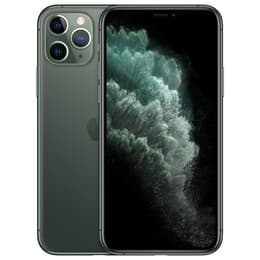

Galaxy S21 FE 5G • Unlocked vs iPhone 11 Pro • Unlocked

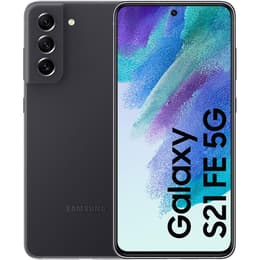
Galaxy S21 FE 5G • Unlocked
Starting at

Refurbished price:$133.00

Versus $699.99 new

See options
iPhone 11 Pro • Unlocked
Starting at

Refurbished price:$200.00

Versus $749.00 new

See options

Ratings

The Samsung Galaxy S21 FE 5G (Fan Edition), released in January 2022, and the iPhone 11 Pro, launched in September 2019, represent different approaches to premium smartphone experiences from their respective manufacturers. While the Galaxy S21 FE offers a more contemporary Android experience with a focus on a vibrant display and 5G connectivity, the iPhone 11 Pro provides a robust iOS ecosystem with a strong emphasis on camera performance and a compact design. These devices cater to users with distinct preferences in operating systems and feature priorities.

Scores

Durability

When considering the practical lifespan of these devices, their release timelines and software support play a significant role.

  • Release Timeline and OS Support: The iPhone 11 Pro, released in late 2019, has received several major iOS updates, typically benefiting from 5-6 years of software support from its launch date. The Galaxy S21 FE, being a 2022 release, started with Android 12 and is expected to receive a similar duration of Android OS and security updates, potentially extending its usable software life further into the future compared to the older iPhone model.
  • Repairability and Practical Lifespan: Both devices feature durable builds with IP68 water and dust resistance. The iPhone 11 Pro features a stainless steel frame and glass construction, while the Galaxy S21 FE uses an aluminum frame and a plastic back. User reports suggest that with proper care and potential battery replacements, both phones can remain functional for several years. The availability of parts and repair services for both ecosystems contributes to their extended practical lifespan.

Release Year

2022

2019

Last OS Compatibility

Yes

Yes

OS

Android

iOS

Foldable

No

No

Performance

The performance of these smartphones is influenced by their internal components and how they handle various tasks.

  • Processor Capabilities: The iPhone 11 Pro is powered by an older-generation Apple processor, which at its release, delivered strong performance for demanding applications and smooth multitasking. The Galaxy S21 FE, released later, features a more recent flagship-level processor (either a Snapdragon or Exynos variant depending on the region), providing efficient handling of current applications and gaming.
  • System Responsiveness and Multitasking: Both devices offer a responsive user experience for everyday tasks like web browsing, social media, and app launching. The iPhone 11 Pro's optimized software ensures fluidity, while the Galaxy S21 FE's higher refresh rate display contributes to a perception of smoother interactions. Storage options for the iPhone 11 Pro started at 64GB, with 256GB and 512GB also available, while the Galaxy S21 FE typically offers 128GB or 256GB configurations, often paired with 6GB or 8GB of RAM.
  • Battery Behavior: The iPhone 11 Pro was noted for its improved battery endurance at launch, often lasting a full day or more for many users. The Galaxy S21 FE, with its 4500mAh battery, generally provides a full day of use, though heavy usage, especially with the 120Hz display and 5G connectivity, can lead to more frequent charging.

Memory (GB)

6 GB

4 GB

Screen quality

The visual experience on these devices is a key differentiator, with both offering high-quality displays.

  • Display Technology and Resolution: The iPhone 11 Pro features a 5.8-inch Super Retina XDR OLED display with a resolution of 2436 x 1125 pixels, resulting in a pixel density of 458 ppi. This OLED technology provides deep blacks and high contrast. The Galaxy S21 FE sports a larger 6.4-inch Dynamic AMOLED 2X display with a resolution of 1080 x 2400 pixels, offering a pixel density of approximately 401 ppi.
  • Brightness and Refresh Rate: The iPhone 11 Pro's display offers typical brightness of 800 nits, peaking at 1200 nits for HDR content, ensuring good visibility in various lighting conditions. The Galaxy S21 FE also provides a bright display, with a peak brightness of 1200 nits, and notably features a 120Hz refresh rate for smoother scrolling and animations, compared to the iPhone 11 Pro's standard 60Hz refresh rate.
  • Viewing Experience: Both displays offer vibrant colors and excellent clarity for media consumption and daily use. The iPhone 11 Pro's True Tone technology adjusts color temperature to ambient light, while the Galaxy S21 FE's Eye Comfort Shield reduces blue light. The larger screen of the S21 FE provides more screen real estate, which can be beneficial for content viewing and productivity.

Resolution

1080 x 2340

1125 x 2436

Screen type

Dynamic AMOLED 2X

Super Retina XDR OLED

Audiovisual

Both smartphones offer capable camera systems, though with different strengths and features.

  • Camera System Capabilities: The iPhone 11 Pro features a triple 12-megapixel camera system, including wide, ultra-wide, and telephoto lenses, providing versatility for various shooting scenarios. The Galaxy S21 FE also comes with a triple camera setup, consisting of a 12MP wide, 12MP ultra-wide, and an 8MP telephoto lens with 3x optical zoom.
  • Photography Performance: The iPhone 11 Pro introduced a highly praised Night mode, significantly improving low-light photography, and is known for its consistent image quality across all three lenses. The Galaxy S21 FE delivers good overall photo quality, with its main and ultra-wide cameras performing well, though some users note inconsistencies in color profiles between lenses and less impressive low-light video.
  • Video Recording and Front Camera: Both devices are capable of recording 4K video at 60 frames per second. The iPhone 11 Pro has a 12MP front camera, while the Galaxy S21 FE features a higher resolution 32MP front camera, capable of 4K selfie video. The iPhone 11 Pro's video recording is often lauded for its stability and quality.

Main camera

12 megapixels

12 megapixels

Front camera

32 megapixels

12 megapixels

Miscellaneous

Beyond the core features, several practical elements differentiate these two devices.

  • Connectivity and Ports: A significant difference is 5G support; the Galaxy S21 FE offers 5G connectivity, enabling faster mobile data speeds in compatible areas, which the iPhone 11 Pro lacks. Both support modern Wi-Fi standards and Bluetooth. The iPhone 11 Pro uses a Lightning port for charging and data transfer, while the Galaxy S21 FE uses a USB-C port. Neither device includes a traditional 3.5mm headphone jack.
  • Sensors and Biometrics: The iPhone 11 Pro relies on Face ID for secure facial recognition. The Galaxy S21 FE features an optical under-display fingerprint sensor for biometric authentication, in addition to face recognition.
  • Design and Handling: The iPhone 11 Pro has a more compact form factor, weighing 188g with dimensions of 144 x 71.4 x 8.1mm, and features a stainless steel frame and frosted glass back. The Galaxy S21 FE is slightly larger and lighter at 177g, with dimensions of 155.7 x 74.5 x 7.9mm, utilizing an aluminum frame and a plastic back. User feedback often highlights the iPhone 11 Pro's comfortable one-handed use due to its size.

Weight

7 oz

7 oz

Screen size (inches)

6.4

5.8

Network

5G

LTE

SIM card

Physical SIM

Physical SIM + eSIM

Carrier compatibility

Unlocked

Unlocked

The Samsung Galaxy S21 FE 5G and the iPhone 11 Pro cater to different user priorities, largely influenced by their release dates and operating systems. Users frequently praise the iPhone 11 Pro for its exceptional camera system, particularly its low-light capabilities and consistent image quality, as well as its robust performance and solid battery life at the time of its release. Some common criticisms for the iPhone 11 Pro include its initial 64GB base storage and the absence of a high refresh rate display.

The Galaxy S21 FE is often lauded for its vibrant 120Hz AMOLED display, offering a smoother visual experience, and its inclusion of 5G connectivity. Its camera system is generally well-regarded, especially the high-resolution front camera. However, some users have expressed mixed opinions regarding its battery life, particularly with heavy usage and 120Hz enabled, and occasional heating under demanding tasks.

Users prioritizing a compact device with a highly optimized camera for both photos and videos, and a long-term commitment to the iOS ecosystem, may find the iPhone 11 Pro well-suited to their needs. Conversely, those who value a larger, high-refresh-rate display, 5G connectivity, and the flexibility of the Android operating system might lean towards the Galaxy S21 FE. Both devices offer a quality-assured refurbished option, providing a sustainable choice for consumers.


See all articles

Our recent comparisons