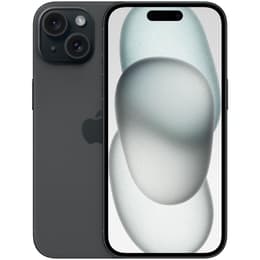

Galaxy S21 Ultra 5G • Unlocked vs iPhone 15 • Locked AT&T

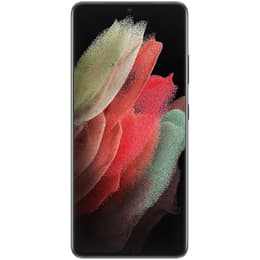
Galaxy S21 Ultra 5G • Unlocked
Starting at

Refurbished price:$259.00

Versus $1,199.99 new

See options
iPhone 15 • Locked AT&T
Starting at

Refurbished price:$347.00

Versus $729.00 new

See options

Ratings

The Samsung Galaxy S21 Ultra 5G, released in January 2021, and the iPhone 15, launched in September 2023, represent distinct approaches to premium smartphone design and functionality. While both offer advanced mobile experiences, they differ significantly in their operating systems, display characteristics, and camera philosophies. The Galaxy S21 Ultra 5G runs on Android, providing a highly customizable interface, whereas the iPhone 15 operates on Apple's iOS, known for its streamlined user experience.

Scores

Durability

When considering the long-term usability of these devices, their release timelines and software support play a significant role.

  • Software Longevity: The iPhone 15, being a newer device, is expected to receive major iOS updates for a longer period, typically 5-6 years from its release in September 2023. The Galaxy S21 Ultra 5G, released in January 2021, launched with Android 11 and has received updates up to Android 14, which is likely its last major OS upgrade, meaning its software support window is closing sooner.
  • Physical Durability: Both devices feature robust builds with IP68 ratings for water and dust resistance, indicating they can withstand submersion in up to 6 meters of water for 30 minutes. The iPhone 15 incorporates Ceramic Shield on the front and a color-infused glass back, while the Galaxy S21 Ultra 5G uses Gorilla Glass Victus on both its front and back.
  • Repairability: The iPhone 15 initially received a lower repairability score but was later promoted to a 7/10 due to software updates that allow for easier part calibration, making repairs more accessible. Information regarding the specific repairability score for the Galaxy S21 Ultra 5G is less consistently available, but generally, Android devices can vary widely in ease of repair.

Release Year

2021

2023

Last OS Compatibility

Yes

Yes

OS

Android

iOS

Foldable

No

No

Performance

The performance of a smartphone is crucial for daily tasks, from browsing to demanding applications and gaming. Both devices offer capable performance, but with different underlying architectures.

  • System Responsiveness: The iPhone 15, powered by a current-generation processor, delivers smooth and efficient performance for everyday use, app loading, and multitasking. The Galaxy S21 Ultra 5G, featuring a powerful processor from its release year, also handles demanding applications and multitasking effectively, though its performance profile is from an earlier generation.
  • Battery Behavior: The Galaxy S21 Ultra 5G is equipped with a larger 5000 mAh battery, which typically translates to extended usage times for many users. The iPhone 15 has a smaller battery capacity (3349 mAh), but its optimized software and efficient processor contribute to reliable all-day power for most users.
  • Storage and Multitasking: Both devices offer various internal storage options, including 128GB, 256GB, and 512GB, providing ample space for apps and media. The Galaxy S21 Ultra 5G typically comes with more RAM (12GB or 16GB) compared to the iPhone 15's 6GB, which can be beneficial for heavy multitasking and keeping many applications open simultaneously.

Memory (GB)

12 GB

6 GB

Screen quality

The visual experience is a key aspect of any smartphone, and both the Galaxy S21 Ultra 5G and iPhone 15 offer high-quality displays with distinct characteristics.

  • Display Technology and Clarity: The Galaxy S21 Ultra 5G features a 6.8-inch Dynamic AMOLED 2X display with a QHD+ resolution (3200 x 1440 pixels), resulting in a very sharp image with 515 pixels per inch. The iPhone 15 has a 6.1-inch Super Retina XDR OLED display with a resolution of 2556 x 1179 pixels, offering excellent clarity at 460 pixels per inch. Both OLED technologies provide deep blacks and vibrant colors.
  • Brightness and Refresh Rate: The iPhone 15 boasts a higher peak outdoor brightness of up to 2000 nits, making it highly visible in direct sunlight. The Galaxy S21 Ultra 5G reaches up to 1500 nits peak brightness. A significant difference lies in the refresh rate: the Galaxy S21 Ultra 5G offers an adaptive 120Hz refresh rate for smoother scrolling and animations, while the iPhone 15 maintains a standard 60Hz refresh rate.
  • Screen Size and Features: The Galaxy S21 Ultra 5G provides a larger screen, which can enhance media consumption and productivity. The iPhone 15, while smaller, introduces the Dynamic Island, an interactive area around the front camera cutout that displays alerts and background activities.

Resolution

1440 x 3200

1179 x 2556

Screen type

Dynamic AMOLED 2X

Super Retina XDR OLED

Audiovisual

Both smartphones offer advanced camera systems designed to capture high-quality photos and videos, though they approach imaging with different strengths.

  • Rear Camera System: The Galaxy S21 Ultra 5G features a versatile quad-camera setup, including a 108MP main sensor, a 12MP ultrawide lens, and two 10MP telephoto lenses offering 3x and 10x optical zoom, allowing for significant zoom capabilities. The iPhone 15 has a dual-camera system with a 48MP main sensor and a 12MP ultrawide lens, utilizing its main sensor to also provide a 2x telephoto option.
  • Photography Performance: The Galaxy S21 Ultra 5G is praised for its detailed 108MP shots and impressive optical zoom range, performing well in various lighting conditions. The iPhone 15's 48MP main camera delivers sharp, detailed images with improved low-light performance and enhanced portrait capabilities.
  • Video Recording and Front Camera: Both devices are capable of recording high-quality video, with the Galaxy S21 Ultra 5G supporting up to 8K resolution at 24fps, and the iPhone 15 offering 4K video recording at up to 60fps. For selfies, the Galaxy S21 Ultra 5G has a 40MP front camera, while the iPhone 15 features a 12MP front camera with autofocus.

Main camera

108 megapixels

48 megapixels

Front camera

40 megapixels

12 megapixels

Miscellaneous

Beyond core features, several practical elements contribute to the overall user experience and device utility.

  • Connectivity and Ports: Both devices support 5G connectivity for fast mobile data. The Galaxy S21 Ultra 5G supports Wi-Fi 6E and Bluetooth 5.2, while the iPhone 15 features Wi-Fi 6 and Bluetooth 5.3. A notable difference is the charging port: the iPhone 15 has transitioned to a USB-C port, aligning with a more universal standard, while the Galaxy S21 Ultra 5G also uses USB-C.
  • Biometrics and Sensors: The Galaxy S21 Ultra 5G utilizes an ultrasonic in-display fingerprint sensor for secure unlocking. The iPhone 15 relies on Face ID, Apple's facial recognition system. The Galaxy S21 Ultra 5G also offers S Pen support, enhancing its functionality for note-taking and drawing, though the S Pen is sold separately.
  • Physical Characteristics: The Galaxy S21 Ultra 5G is a larger and heavier device, measuring 165.1 x 75.6 x 8.9 mm and weighing between 227g and 229g. The iPhone 15 is more compact and lighter at 147.6 x 71.6 x 7.8 mm and 171g, making it easier for one-handed use. Both devices feature premium build materials, with aluminum frames and glass backs.

Weight

8 oz

171 oz

Screen size (inches)

6.8

6.1

Network

5G

5G

SIM card

Physical SIM + eSIM

eSIM

Carrier compatibility

Unlocked

AT&T

User sentiment for the Galaxy S21 Ultra 5G often highlights its expansive and vibrant display, versatile camera system with impressive zoom capabilities, and long-lasting battery as key strengths. Users appreciate the flexibility offered by the Android operating system and the inclusion of S Pen support for productivity. Common criticisms sometimes point to its size and weight, which can make it less comfortable for some users, and the regional variations in processor performance.

The iPhone 15 is frequently praised for its consistent performance, the intuitive iOS experience, and its improved camera system that delivers reliable image quality. The introduction of the Dynamic Island and the switch to USB-C are also often noted as positive advancements. Some users have expressed a desire for a higher refresh rate display, which remains at 60Hz.

Users prioritizing a large, high-resolution display with a high refresh rate and extensive camera zoom capabilities may find the Galaxy S21 Ultra 5G well-suited to their needs. Its robust battery and customizable Android experience cater to power users and those who prefer a more open ecosystem. Conversely, users who value a more compact device, a streamlined and long-supported software experience, and consistent camera performance for everyday photography will likely lean towards the iPhone 15. Its integration of the Dynamic Island and the shift to USB-C offer a modern and convenient user experience.

Both devices offer compelling features for different user profiles. For those considering either model, exploring quality-assured refurbished options can provide a sustainable choice for acquiring these advanced smartphones.
See all articles

Our recent comparisons