
Galaxy S21 Ultra 5G • Unlocked vs iPhone SE (2020) • Unlocked

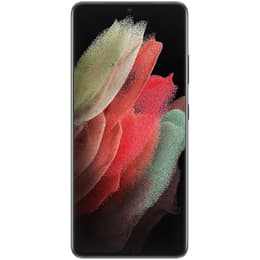
Galaxy S21 Ultra 5G • Unlocked
Starting at

Refurbished price:$257.00

Versus $1,199.99 new

See options
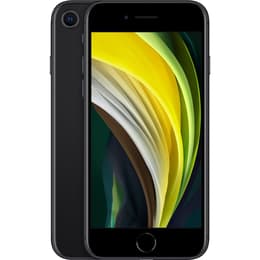
iPhone SE (2020) • Unlocked
Starting at

Refurbished price:$107.00

Versus $399.00 new

See options

Ratings

The Samsung Galaxy S21 Ultra 5G, released in January 2021, and the iPhone SE 2020, launched in April 2020, represent distinct approaches to smartphone design and functionality. While both offer robust smartphone experiences, they cater to different user preferences through their varying sizes, display technologies, camera capabilities, and operating systems. The Galaxy S21 Ultra operates on Android, offering extensive customization, whereas the iPhone SE runs on Apple's iOS, known for its streamlined user experience.

Scores

Durability

When considering the long-term usability of these devices, several factors come into play, including their initial release, software support, and physical resilience.

  • Release Timeline and Software Support: The Galaxy S21 Ultra 5G, released in January 2021, typically receives four major Android OS updates and five years of security updates, extending its software support into early 2026. The iPhone SE 2020, launched in April 2020, generally receives 5-6 years of iOS updates, meaning its software longevity could extend to late 2025 or 2026.
  • Physical Durability and Repairability: The Galaxy S21 Ultra features Gorilla Glass Victus on both its front and back, along with an aluminum frame, offering enhanced scratch and drop resistance. It also boasts an IP68 rating for dust and water resistance. The iPhone SE 2020 uses an older generation of Gorilla Glass for its front and back and has an IP67 rating for dust and water resistance. The iPhone SE's design, which shares similarities with older iPhone models, is often considered more straightforward to repair compared to the more complex construction of the S21 Ultra.
  • Expected Practical Lifespan: Both devices are built to last, with their respective manufacturers providing ongoing software and security updates. Users can expect several years of reliable performance from either model, though the S21 Ultra's more advanced hardware may offer a slightly longer period before performance limitations become noticeable for demanding tasks.

Release Year

2021

2020

Last OS Compatibility

Yes

Yes

OS

Android

iOS

Foldable

No

No

Performance

The performance of a smartphone is crucial for daily tasks, from launching applications to managing multiple processes simultaneously.

  • Storage Options: The Galaxy S21 Ultra 5G is available with 128GB, 256GB, or 512GB of internal storage, providing ample space for applications, media, and documents. The iPhone SE 2020 offers storage configurations of 64GB, 128GB, and 256GB, which are suitable for most users but may require more careful management for those with extensive media libraries.
  • Battery Behavior: The Galaxy S21 Ultra is equipped with a 5000 mAh battery, which generally provides a full day of use for many users, even with moderate to heavy activity. The iPhone SE 2020 has an 1821 mAh battery, and heavy users often find themselves needing to recharge by late afternoon.
  • Processor Capabilities and Responsiveness: The Galaxy S21 Ultra features a high-end processor that delivers smooth performance across demanding applications, intensive gaming, and seamless multitasking. The iPhone SE 2020, while featuring a capable processor for its time, handles everyday apps and lighter games with ease, but may show limitations when running the most graphically intensive titles or numerous applications simultaneously.
  • RAM Implications for Multitasking: The Galaxy S21 Ultra typically comes with 12GB or 16GB of RAM, allowing for extensive multitasking and keeping many applications open in the background without performance degradation. The iPhone SE 2020 includes 3GB of RAM, which is sufficient for typical smartphone usage but may lead to applications reloading more frequently when switching between many demanding tasks.

Memory (GB)

12 GB

3 GB

Screen quality

The display is a primary interface for smartphone interaction, and these two devices offer distinct visual experiences.

  • Display Technology and Clarity: The Galaxy S21 Ultra 5G features a 6.8-inch Dynamic AMOLED 2X display, providing deep blacks, vibrant colors, and excellent contrast. Its QHD+ resolution (3200 x 1440 pixels) results in a very sharp image with a pixel density of 515 PPI. The iPhone SE 2020 utilizes a 4.7-inch Retina IPS LCD display, which offers good color accuracy and viewing angles, with a resolution of 1334 x 750 pixels and a pixel density of 326 PPI.
  • Brightness and Refresh Rate: The S21 Ultra's display can reach a peak brightness of 1500 nits, making it highly visible even in bright outdoor conditions. It also boasts an adaptive refresh rate of 10-120Hz, which provides a very smooth scrolling and gaming experience. The iPhone SE 2020 has a typical maximum brightness of 625 nits and a standard 60Hz refresh rate, which is adequate for most indoor and outdoor viewing but less fluid than higher refresh rate displays.
  • Screen Size and Viewing Experience: The larger 6.8-inch display of the Galaxy S21 Ultra offers an expansive viewing area, ideal for media consumption, gaming, and productivity tasks. The iPhone SE 2020's compact 4.7-inch screen is well-suited for one-handed use and users who prefer a smaller form factor, though it provides a more constrained viewing experience.

Resolution

1440 x 3200

750 x 1334

Screen type

Dynamic AMOLED 2X

Retina IPS LCD

Audiovisual

For many users, the camera system is a key differentiator, and these two phones offer vastly different photographic capabilities.

  • Camera System Capabilities: The Galaxy S21 Ultra 5G features a versatile quad-camera setup on the rear, including a 108MP main sensor, a 12MP ultrawide lens, and two 10MP telephoto lenses offering 3x and 10x optical zoom. It also has a 40MP front camera. The iPhone SE 2020 has a single 12MP wide-angle rear camera and a 7MP front camera.
  • Photography Performance: The S21 Ultra excels in various lighting conditions, offering advanced low-light performance, detailed images, and exceptional zoom capabilities, including up to 100x digital zoom. Its multiple lenses provide flexibility for different photographic scenarios. The iPhone SE 2020 captures sharp and clear photos in good lighting conditions and supports Portrait Mode for human subjects, but it lacks a dedicated Night Mode and the versatility of multiple lenses.
  • Video Recording Quality and Features: The Galaxy S21 Ultra can record video at up to 8K resolution at 24 frames per second, and 4K at 30 or 60 frames per second, with advanced stabilization features. The iPhone SE 2020 supports 4K video recording at up to 60 frames per second, also with optical image stabilization.
  • Audio Quality: Both devices offer stereo speakers for media consumption. The S21 Ultra's speakers provide good loudness and clarity. The iPhone SE also delivers decent audio output from its stereo speakers.

Main camera

108 megapixels

12 megapixels

Front camera

40 megapixels

7 megapixels

Miscellaneous

Beyond core features, several practical elements contribute to the overall user experience of a smartphone.

  • Connectivity Options: The Galaxy S21 Ultra 5G supports 5G networks, Wi-Fi 6E, and Bluetooth 5.2, offering fast and reliable wireless connections. The iPhone SE 2020 supports 4G LTE, Wi-Fi 6, and Bluetooth 5.0, providing solid connectivity for most current needs.
  • Port Types: The Galaxy S21 Ultra features a USB-C port for charging and data transfer. The iPhone SE 2020 uses Apple's proprietary Lightning port. Neither device includes a traditional 3.5mm headphone jack.
  • Biometric Security: The Galaxy S21 Ultra incorporates an ultrasonic in-display fingerprint sensor and supports face recognition for secure unlocking. The iPhone SE 2020 features the familiar Touch ID fingerprint sensor integrated into its home button.
  • Weight and Dimensions: The Galaxy S21 Ultra is a larger and heavier device, measuring 165.1 x 75.6 x 8.9 mm and weighing 227 grams, which contributes to its substantial feel. The iPhone SE 2020 is significantly more compact and lighter at 138.4 x 67.3 x 7.3 mm and 148 grams, making it easier for one-handed use and pocketability.
  • Build Materials: Both phones feature glass backs and aluminum frames. The S21 Ultra uses the more advanced Gorilla Glass Victus for enhanced durability, while the iPhone SE uses an earlier generation of strengthened glass.

Weight

8 oz

5 oz

Screen size (inches)

6.8

4.7

Network

5G

LTE

SIM card

Physical SIM + eSIM

Physical SIM + eSIM

Carrier compatibility

Unlocked

Unlocked

The Samsung Galaxy S21 Ultra 5G and the iPhone SE 2020 cater to distinct user needs, each excelling in different areas. Users frequently praise the Galaxy S21 Ultra for its exceptional camera system, particularly its zoom capabilities and versatility, as well as its vibrant and expansive display. Its strong performance and generally good battery life are also common points of appreciation. However, some users note its considerable size and weight, and the curved display may not appeal to everyone.

Conversely, the iPhone SE 2020 is often lauded for its compact form factor, making it ideal for one-handed operation and easy pocketability. Its familiar design, including the Touch ID home button, and solid performance for everyday tasks within the iOS ecosystem are also frequently highlighted. Criticisms often revolve around its dated design, smaller screen, and limited battery life, which can be a concern for heavy users.

Users prioritizing a large, high-resolution display, a highly versatile camera system with advanced zoom, and robust performance for demanding applications will find the Galaxy S21 Ultra 5G well-suited to their needs. This device is an excellent choice for photographers, media enthusiasts, and power users who benefit from an expansive screen and extensive features. On the other hand, users who prefer a compact device, value the simplicity and familiarity of the iOS ecosystem, or require a physical home button for navigation and security, may lean toward the iPhone SE 2020. It is a practical option for those seeking a reliable smartphone for everyday communication and app usage in a smaller package.

For those considering either of these models, exploring quality-assured refurbished options can provide an eco-friendly alternative, allowing access to these capable devices while making a sustainable choice.
See all articles

Our recent comparisons