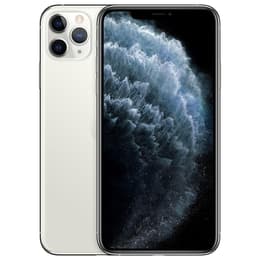
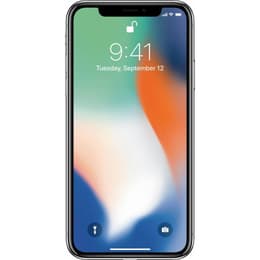

iPhone 11 Pro Max • Unlocked vs iPhone X • Unlocked

iPhone 11 Pro Max • Unlocked
Starting at

Refurbished price:$277.99

Versus $849.00 new

See options
iPhone X • Unlocked
iPhone X • Unlocked
Starting at

Refurbished price:$144.00

Versus $449.00 new

See options

Ratings

The iPhone 11 Pro Max, released in September 2019, and the iPhone X, launched in November 2017, represent different generations of Apple's smartphone evolution. While both devices introduced significant design changes for their respective eras, the 11 Pro Max offers advancements in processing power, camera capabilities, and battery longevity. Both operate on Apple's iOS ecosystem, providing a consistent user experience.

Scores

Durability

The iPhone 11 Pro Max, being a newer device from 2019, benefits from a longer expected software support timeline compared to the iPhone X, which debuted in 2017.

  • Software Longevity: The iPhone 11 Pro Max is expected to receive iOS updates for a longer period, extending its functional lifespan. The iPhone X has likely reached the end of its major iOS update cycle, potentially limiting access to the newest features and security enhancements.
  • Physical Resilience: The iPhone 11 Pro Max features an IP68 rating for water and dust resistance, allowing for submersion up to 4 meters for 30 minutes, an improvement over the iPhone X's IP67 rating (1 meter for 30 minutes). Both models utilize a stainless steel frame and glass back, offering a robust feel.
  • Repairability: Both devices present a moderate challenge for repairs due to their integrated designs. Common components like the display and battery are generally replaceable by skilled technicians, though the availability of parts for the older iPhone X may become more limited over time.

Release Year

2019

2017

Last OS Compatibility

Yes

No

OS

iOS

iOS

Foldable

No

No

Performance

The iPhone 11 Pro Max features a more advanced internal architecture, translating to noticeable improvements in daily operation compared to the iPhone X.

  • Everyday Responsiveness: The 11 Pro Max handles demanding applications and intensive multitasking with greater fluidity, offering quicker app launch times and smoother transitions between tasks. Users engaging in mobile gaming or video editing will experience a more consistent and responsive performance.
  • Battery Endurance: The iPhone 11 Pro Max incorporates a significantly larger battery, providing extended usage throughout the day for most users. In contrast, the iPhone X's smaller battery capacity means more frequent charging, especially for those with heavy usage patterns.
  • Storage and Multitasking: Both devices offer various storage configurations. The 11 Pro Max typically comes with more base RAM, which contributes to better background app management and overall system stability when juggling multiple applications simultaneously.

Memory

4 GB

3 GB

Screen quality

Both devices feature OLED displays, but the iPhone 11 Pro Max offers a larger and brighter viewing experience with enhanced color accuracy.

  • Display Technology and Size: The iPhone 11 Pro Max boasts a 6.5-inch Super Retina XDR OLED display, providing a more expansive canvas for content consumption and productivity. The iPhone X features a 5.8-inch Super Retina OLED display, which is still vibrant but offers a smaller viewing area.
  • Brightness and Clarity: The 11 Pro Max achieves higher peak brightness levels, particularly beneficial for outdoor visibility under direct sunlight and for HDR content, where it delivers more impactful highlights. Both displays offer excellent pixel density, resulting in sharp text and detailed images.
  • Color and Contrast: Both OLED panels deliver deep blacks and vibrant colors, characteristic of the technology. The 11 Pro Max, with its XDR designation, offers a slightly wider dynamic range and improved color calibration for a more true-to-life visual experience.

Resolution

1242 x 2688

1125 x 2436

Screen type

Super Retina XDR OLED

Super Retina OLED

Audiovisual

The camera system is a significant differentiator, with the iPhone 11 Pro Max introducing a versatile triple-lens setup.

  • Photography Versatility: The iPhone 11 Pro Max features a triple 12MP camera system, including a main wide lens, an ultra-wide lens, and a telephoto lens. This provides greater flexibility for capturing different perspectives. The iPhone X has a dual 12MP system with wide and telephoto lenses.
  • Low-Light Performance and Features: The 11 Pro Max significantly improves low-light photography with its dedicated Night Mode, producing brighter and more detailed images in challenging conditions. It also introduced Deep Fusion for enhanced detail in medium-light scenes. Both support Portrait Mode, but the 11 Pro Max offers more refined edge detection.
  • Video and Audio Quality: Both devices are capable of recording 4K video at up to 60 frames per second. The 11 Pro Max offers improved video stabilization and a wider dynamic range for video. For audio, the 11 Pro Max includes spatial audio playback and improved stereo recording, offering a more immersive media consumption and creation experience.

Main camera

12 megapixels

12 megapixels

Front camera

12 megapixels

7 megapixels

Miscellaneous

Beyond core performance, several practical elements distinguish these two iPhone models.

  • Connectivity Standards: The iPhone 11 Pro Max supports Wi-Fi 6, offering faster wireless internet speeds when connected to compatible routers, which can be beneficial for large downloads or streaming high-resolution content. The iPhone X supports Wi-Fi 5. Both devices feature Bluetooth 5.0 for accessory connections and 4G LTE for cellular data.
  • Physical Design and Handling: The iPhone 11 Pro Max is a larger and heavier device due to its expansive screen and larger battery, which might appeal to users who prefer a substantial feel and maximum screen real estate. The iPhone X is more compact and lighter, making it easier for one-handed use and pocketability. Both utilize the Lightning port for charging and data transfer.
  • Biometric Security: Both models rely on Face ID for secure authentication, allowing for facial recognition to unlock the device, authorize purchases, and log into apps. The Face ID system on the 11 Pro Max is slightly faster and more reliable due to hardware and software refinements.

Weight

8 oz

6 oz

Screen size (inches)

6.5

5.8

Network

LTE

LTE

SIM card

Physical SIM + eSIM

Physical SIM

Carrier compatibility

Unlocked

Unlocked

Connector

Lightning

Lightning

User feedback often highlights the iPhone 11 Pro Max's robust battery life and versatile camera system as its most praised attributes. Many users appreciate the ability to capture a wider range of photos with the ultra-wide lens and the significant improvements in low-light photography. Criticisms sometimes point to its larger size and weight, which some find less comfortable for extended one-handed use.

Conversely, the iPhone X is frequently lauded for its groundbreaking design at release, introducing Face ID and the edge-to-edge display. Users often praise its compact form factor, making it a preferred choice for those who value portability. However, its battery life is a more frequent point of concern for heavy users, and its camera system, while capable, is less versatile than newer models.

Users prioritizing extended battery life, a more advanced camera system, and a larger display will find the iPhone 11 Pro Max well-suited. Its longer software support timeline also offers a more future-proof experience. Conversely, users who prefer a more compact device, primarily use their phone for everyday tasks, and value a still-capable camera system may lean toward the iPhone X. Both devices, especially when considering a quality-assured refurbished option, offer an eco-friendly alternative.

See all articles

Our recent comparisons