
Galaxy S21 Ultra 5G • Unlocked vs iPhone SE (2022) • Locked T-Mobile

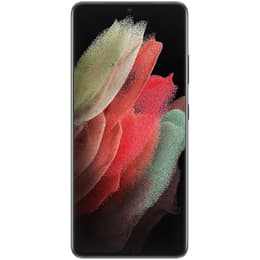
Galaxy S21 Ultra 5G • Unlocked
Starting at

Refurbished price:$259.00

Versus $1,199.99 new

See options
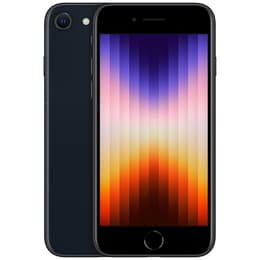
iPhone SE (2022) • Locked T-Mobile
Starting at

Refurbished price:$124.00

Versus $429.00 new

See options

Ratings

The Samsung Galaxy S21 Ultra 5G, released in January 2021, and the iPhone SE (2022), launched in March 2022, represent distinct approaches to smartphone design and functionality. While the S21 Ultra offers a large, feature-rich experience with an advanced camera system and expansive display, the iPhone SE (2022) provides a compact form factor with a powerful internal processor and a familiar user interface. Both devices operate on their respective flagship operating systems, Android and iOS, offering different ecosystems for users.

Scores

Durability

The practical lifespan of a smartphone is influenced by its release timeline, software support, and physical durability. These two devices offer different expectations in these areas.

  • Release Timeline and Software Support: The Galaxy S21 Ultra 5G, released in early 2021, received four major Android OS updates, concluding with Android 15 in May 2025, and its security updates ended around February 2026. In contrast, the iPhone SE (2022), launched in March 2022, is expected to receive iOS updates for approximately 5 to 7 years from its release, potentially extending its software longevity until around 2028-2030.
  • Physical Durability: The Galaxy S21 Ultra 5G features Gorilla Glass Victus on both its front and back, along with an aluminum frame, providing robust protection and an IP68 rating for dust and water resistance. The iPhone SE (2022) also uses strong glass on its front and back, paired with an aluminum frame, and carries an IP67 rating for dust and water resistance.
  • Expected Practical Lifespan: Users prioritizing the latest software features and security patches for the longest possible duration may find the iPhone SE (2022) offers a longer period of active support. However, both devices are built to withstand daily use, with the S21 Ultra's higher IP rating offering slightly more protection against submersion.

Release Year

2021

2022

Last OS Compatibility

Yes

Yes

OS

Android

iOS

Foldable

No

No

Performance

Performance in smartphones is about how smoothly tasks are handled, from everyday browsing to demanding applications. Both devices deliver capable performance, though with different underlying architectures.

  • Processor Capabilities: The Galaxy S21 Ultra 5G is equipped with a high-performance processor designed to handle intensive multitasking, graphic-heavy games, and demanding applications with ease. The iPhone SE (2022) features a powerful processor that ensures swift app launches, fluid navigation, and efficient handling of current-generation mobile games and applications.
  • Multitasking and Responsiveness: With its substantial amount of RAM, the Galaxy S21 Ultra 5G is well-suited for users who frequently switch between many applications or engage in heavy multitasking without experiencing slowdowns. The iPhone SE (2022), while having less RAM, benefits from its optimized operating system, providing a responsive experience for typical daily usage and efficient app management.
  • Battery Behavior: The Galaxy S21 Ultra 5G houses a large 5000 mAh battery, generally providing a full day of use for many users, though heavy usage can necessitate earlier charging. The iPhone SE (2022) has a smaller battery capacity, which means heavy users may find themselves needing to recharge more frequently throughout the day.

Memory (GB)

12 GB

4 GB

Screen quality

The visual experience on a smartphone is largely defined by its display, and these two models offer distinct screen technologies and characteristics.

  • Display Technology and Resolution: The Galaxy S21 Ultra 5G features a large 6.8-inch Dynamic AMOLED 2X display with a high resolution of 3200 x 1440 pixels, resulting in sharp images and vibrant colors with deep blacks. The iPhone SE (2022) utilizes a more compact 4.7-inch Retina HD IPS LCD display with a resolution of 1334 x 750 pixels, offering clear visuals suitable for its size.
  • Brightness and Refresh Rate: The S21 Ultra's display can reach high brightness levels, making it comfortable to view in various lighting conditions, including bright sunlight, and features an adaptive refresh rate of up to 120Hz for smoother scrolling and more fluid animations. The iPhone SE (2022) provides adequate brightness for most indoor and outdoor scenarios and maintains a standard 60Hz refresh rate.
  • Viewing Experience: Users who prefer an expansive screen for media consumption, detailed work, or immersive gaming will find the S21 Ultra's large, high-resolution, and high-refresh-rate display more engaging. The iPhone SE (2022) caters to those who prefer a smaller, more manageable screen size for one-handed use and portability.

Resolution

1440 x 3200

750 x 1334

Screen type

Dynamic AMOLED 2X

Retina IPS LCD

Audiovisual

Camera capabilities are a significant factor for many users, and these devices offer different photographic strengths and features.

  • Camera System Configuration: The Galaxy S21 Ultra 5G boasts a versatile quad-camera system on the rear, including a 108MP main sensor, a 12MP ultrawide lens, and two 10MP telephoto lenses offering 3x and 10x optical zoom, alongside a 40MP front camera. The iPhone SE (2022) features a single 12MP wide camera on the rear and a 7MP front camera.
  • Photography Performance: The S21 Ultra's multiple lenses provide flexibility for various shooting scenarios, from wide landscapes to distant subjects, and its high-resolution main sensor captures significant detail. It also offers advanced features for low-light photography. The iPhone SE (2022) delivers consistent and clear photos in good lighting conditions and supports Portrait Mode for artistic depth effects, though it lacks a dedicated Night Mode or optical zoom capabilities.
  • Video Recording and Audio: Both devices are capable of recording high-quality video, with the S21 Ultra supporting up to 8K resolution and the iPhone SE (2022) offering 4K video recording at up to 60 frames per second. For audio, the S21 Ultra provides a robust speaker output suitable for media, while the iPhone SE (2022) offers clear microphone quality for calls and recordings.

Main camera

108 megapixels

12 megapixels

Front camera

40 megapixels

7 megapixels

Miscellaneous

Beyond core performance, several practical elements contribute to the overall user experience and daily convenience of these smartphones.

  • Connectivity and Ports: Both devices support 5G connectivity for faster mobile data speeds. The Galaxy S21 Ultra 5G features a USB-C port for charging and data transfer, while the iPhone SE (2022) uses Apple's Lightning port.
  • Biometric Security and Handling: The S21 Ultra incorporates an in-display fingerprint sensor for secure unlocking. The iPhone SE (2022) retains the physical Home button with integrated Touch ID for fingerprint authentication. In terms of handling, the S21 Ultra is a larger and heavier device, measuring 165.1 x 75.6 x 8.9 mm and weighing 228g, which may appeal to users who prefer a substantial feel and larger screen. The iPhone SE (2022) is significantly more compact and lighter at 138.4 x 67.3 x 7.3 mm and 144g, making it easier for one-handed use and pocketability.
  • Additional Features: The Galaxy S21 Ultra 5G offers compatibility with the S Pen (sold separately), providing additional functionality for note-taking and drawing. The iPhone SE (2022) maintains a traditional design with noticeable bezels around its display.

Weight

8 oz

3 oz

Screen size (inches)

6.8

4.7

Network

5G

5G

SIM card

Physical SIM + eSIM

Physical SIM + eSIM

Carrier compatibility

Unlocked

T-Mobile

The Samsung Galaxy S21 Ultra 5G and the iPhone SE (2022) cater to different user preferences, each excelling in distinct areas. Users often praise the S21 Ultra for its expansive and vibrant display, versatile camera system with impressive zoom capabilities, and long-lasting battery. However, some users have noted concerns regarding software stability, occasional heating, and the phone's overall size and weight.

Conversely, the iPhone SE (2022) is frequently lauded for its compact size, powerful processor that ensures smooth performance, and extended software support from Apple. Criticisms often center on its dated design with thick bezels, the smaller display, and battery life that may not satisfy heavy users. The single camera system, while capable, also lacks the advanced features found in larger, more premium devices.

Users prioritizing a large, high-quality display, advanced photography features, and a robust multitasking experience may find the Galaxy S21 Ultra 5G better suited to their needs. Those who value a compact, lightweight device with a familiar interface, long-term software updates, and reliable performance for everyday tasks will likely lean towards the iPhone SE (2022). Both devices are available as quality-assured refurbished options, providing an eco-friendly alternative for consumers seeking reliable technology.
See all articles

Our recent comparisons