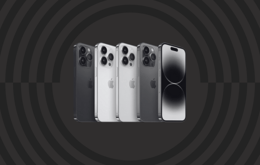
Galaxy S22 Ultra 5G • Locked T-Mobile vs iPhone 14 Plus • Locked T-Mobile

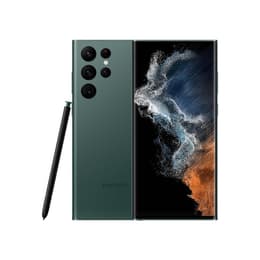
Galaxy S22 Ultra 5G • Locked T-Mobile
Starting at

Refurbished price:$334.99

Versus $1,399.99 new

See options
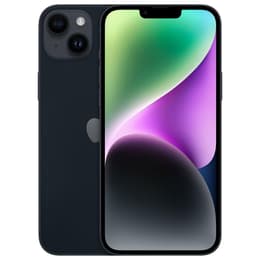
iPhone 14 Plus • Locked T-Mobile
Starting at

Refurbished price:$344.23

Versus $699.00 new

See options

Ratings

The Samsung Galaxy S22 Ultra 5G, released in February 2022, and the iPhone 14 Plus, launched in October 2022, represent distinct approaches to high-end smartphone design and functionality. While the Galaxy S22 Ultra operates on Android and integrates a stylus for enhanced productivity, the iPhone 14 Plus runs on iOS, emphasizing a streamlined user experience and robust safety features. These devices cater to different user preferences, offering varied strengths in their ecosystems and hardware.

Scores

Durability

When considering the longevity of these devices, both offer substantial support, though their timelines differ based on their respective operating systems.

  • Release Timeline: The Galaxy S22 Ultra was released in February 2022, making it slightly older than the iPhone 14 Plus, which debuted in October 2022. This age difference can influence the remaining period of software support.
  • Software Longevity: Apple typically provides major iOS updates for approximately five to seven years, with security patches extending even further. The iPhone 14 Plus is expected to receive updates until around 2029. Samsung generally offers four years of major Android updates and five years of security updates for its flagship devices, meaning the Galaxy S22 Ultra will likely see major OS updates until early 2026 and security updates until early 2027.
  • Physical Durability: Both phones feature robust builds. The iPhone 14 Plus incorporates Ceramic Shield on the front and an aluminum frame, along with an IP68 rating for water and dust resistance. The Galaxy S22 Ultra also boasts an IP68 rating and uses Gorilla Glass Victus+ for screen protection, offering a durable construction.

Release Year

2022

2022

Last OS Compatibility

Yes

Yes

OS

Android

iOS

Foldable

No

No

Performance

The performance of a smartphone is crucial for daily tasks, and both the Galaxy S22 Ultra and iPhone 14 Plus deliver smooth experiences, though with different underlying architectures.

  • Processing Power: The iPhone 14 Plus is equipped with a processor that handles demanding applications and multitasking with efficiency, ensuring a responsive user experience. The Galaxy S22 Ultra features a powerful current-generation processor that allows for smooth operation across various tasks, including intensive gaming and complex applications.
  • Multitasking and Responsiveness: Both devices offer ample memory configurations to support fluid app switching and maintain application states effectively. The iPhone 14 Plus comes with 6GB of RAM, which is sufficient for smooth operation. The Galaxy S22 Ultra offers configurations with 8GB or 12GB of RAM, providing additional headroom for heavy multitasking and resource-intensive applications.
  • Storage Options: Both models provide various internal storage capacities, typically ranging from 128GB to 512GB, with the Galaxy S22 Ultra also offering a 1TB option, catering to users with extensive storage needs. Neither device supports expandable storage via microSD cards.

Memory (GB)

12 GB

6 GB

Screen quality

The visual experience is a key differentiator, with both phones offering large, vibrant displays designed for immersive viewing.

  • Display Technology and Size: The iPhone 14 Plus features a 6.7-inch Super Retina XDR OLED display, providing deep blacks and vibrant colors. The Galaxy S22 Ultra sports a slightly larger 6.8-inch Dynamic AMOLED 2X display, also known for its rich colors and contrast.
  • Resolution and Clarity: The iPhone 14 Plus has a resolution of 2778 x 1284 pixels at 458 ppi, offering sharp and detailed visuals. The Galaxy S22 Ultra provides a QHD+ resolution, resulting in a very high pixel density for exceptional clarity.
  • Refresh Rate and Brightness: A notable difference lies in the refresh rate; the Galaxy S22 Ultra features an adaptive 120Hz refresh rate for smoother scrolling and animations, while the iPhone 14 Plus maintains a standard 60Hz refresh rate. Both displays offer high brightness levels, with the iPhone 14 Plus reaching 800 nits typical and 1200 nits peak HDR brightness, and the Galaxy S22 Ultra also providing excellent outdoor visibility.

Resolution

1440 x 3088

1284 x 2778

Screen type

Dynamic AMOLED 2X

Super Retina XDR OLED

Audiovisual

Both smartphones offer advanced camera systems, but they excel in different aspects, catering to various photography and videography preferences.

  • Rear Camera Systems: The iPhone 14 Plus features a dual-camera system with a 12MP main sensor and a 12MP ultrawide lens, focusing on improved low-light performance and image processing through its Photonic Engine. The Galaxy S22 Ultra boasts a more versatile quad-camera setup, including a 108MP main sensor, a 12MP ultrawide, and two 10MP telephoto lenses (3x and 10x optical zoom), offering extensive zoom capabilities.
  • Low-Light and Everyday Photography: The iPhone 14 Plus delivers enhanced low-light photos with larger pixels and a faster aperture on its main camera. The Galaxy S22 Ultra also performs well in various lighting conditions, leveraging its high-resolution sensor and advanced processing.
  • Video Recording and Front Camera: Both devices support 4K video recording. The iPhone 14 Plus introduces features like Cinematic mode up to 4K HDR and Action mode for stabilized video. Its front-facing 12MP TrueDepth camera now includes autofocus. The Galaxy S22 Ultra is capable of 8K video recording and features a high-resolution 40MP front camera.

Main camera

108 megapixels

12 megapixels

Front camera

40 megapixels

12 megapixels

Miscellaneous

Beyond core features, several practical elements contribute to the overall user experience and differentiate these two devices.

  • Connectivity: Both the Galaxy S22 Ultra and the iPhone 14 Plus support 5G networks for fast mobile data speeds. They also include modern Wi-Fi standards and Bluetooth for wireless connectivity.
  • Ports and Biometrics: The iPhone 14 Plus utilizes Apple's proprietary Lightning port for charging and data transfer, and relies on Face ID for secure facial recognition. The Galaxy S22 Ultra features a USB-C port, a more universal standard, and offers both an under-display fingerprint sensor and facial recognition for unlocking.
  • Unique Features: A significant distinction is the integrated S Pen in the Galaxy S22 Ultra, offering precise input for note-taking, drawing, and remote control functions. The iPhone 14 Plus introduces advanced safety features like Emergency SOS via Satellite and Crash Detection.
  • Design and Handling: The iPhone 14 Plus features a ceramic shield front and an aluminum design, weighing approximately 203 grams. The Galaxy S22 Ultra has a glass back and a slightly heavier build, weighing around 228 grams, and its design incorporates the S Pen silo.

Weight

8 oz

7 oz

Screen size (inches)

6.8

6.7

Network

5G

5G

SIM card

Physical SIM + eSIM

eSIM

Carrier compatibility

T-Mobile

T-Mobile

The choice between the Samsung Galaxy S22 Ultra 5G and the iPhone 14 Plus largely depends on individual priorities and ecosystem preference. Users frequently praise the iPhone 14 Plus for its exceptional battery life, often noting it can last through a full day of heavy use or even longer. Its large display is also a common positive, offering an expansive viewing area without the higher cost of the Pro Max models. Criticisms often point to the 60Hz display refresh rate and the lack of a telephoto lens, features present in many competing devices.

Conversely, the Galaxy S22 Ultra is lauded for its versatile camera system, particularly its zoom capabilities, and the integrated S Pen, which enhances productivity for note-takers and artists. Its vibrant 120Hz display is also a highlight. Some users have noted that its battery life, while generally good, may not consistently match the endurance of the iPhone 14 Plus under heavy usage. The device's size and weight can also be a factor for those preferring a more compact phone.

Users prioritizing an extended battery life and a large, clear display within the Apple ecosystem will find the iPhone 14 Plus well-suited to their needs. Those who value a highly versatile camera system, a high refresh rate display, and the unique productivity features of an integrated stylus, along with the flexibility of the Android operating system, may lean toward the Galaxy S22 Ultra. Both devices offer a quality-assured refurbished option, providing a sustainable choice for consumers.

See all articles

Our recent comparisons