Galaxy S23 Ultra • Unlocked vs iPhone 12 Pro • Unlocked

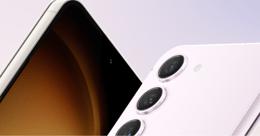
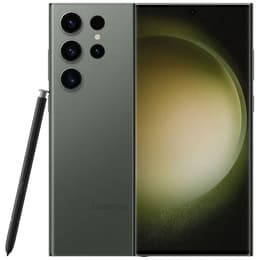
Galaxy S23 Ultra • Unlocked
Starting at

Refurbished price:$399.99

Versus $1,199.99 new

See options
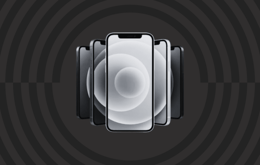
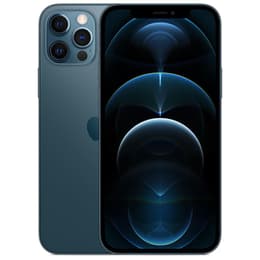
iPhone 12 Pro • Unlocked
Starting at

Refurbished price:$261.00

Versus $799.00 new

See options

Ratings

The Samsung Galaxy S23 Ultra, released in February 2023, and the Apple iPhone 12 Pro, launched in October 2020, represent different generations and operating systems within the premium smartphone market. While both devices offer robust performance and advanced camera systems, the Galaxy S23 Ultra introduces a more recent hardware platform, a larger display with a higher refresh rate, and an integrated stylus, setting it apart from the iPhone 12 Pro's established iOS experience and more compact design.

Scores

Durability

The practical lifespan of a smartphone is often influenced by its release timeline, software support, and physical durability.

  • Release Timeline: The Galaxy S23 Ultra, launched in February 2023, benefits from being a significantly newer device compared to the iPhone 12 Pro, which was released in October 2020. This three-year difference in release dates directly impacts their expected software support and hardware relevance.
  • Software Longevity: The Galaxy S23 Ultra is expected to receive four major Android operating system updates and five years of security patches from its release, ensuring extended software functionality and security. The iPhone 12 Pro, having launched with iOS 14, typically receives 5-6 years of major iOS updates, meaning its software support is likely to conclude around 2025 or 2026. Consequently, the Galaxy S23 Ultra offers a longer period of guaranteed software updates.
  • Repairability and Build: The iPhone 12 Pro received a repairability score of 6 out of 10 from iFixit, indicating that many components are modular and accessible, though proprietary screws and increased waterproofing can complicate repairs. Both devices feature durable materials, with the iPhone 12 Pro utilizing a Ceramic Shield front cover and stainless steel frame, while the Galaxy S23 Ultra incorporates Gorilla Glass Victus 2 on its front and back, alongside an aluminum frame.

Release Year

2023

2020

Last OS Compatibility

Yes

Yes

OS

Android

iOS

Foldable

No

No

Performance

Performance in daily use, from launching applications to managing multiple tasks, is a key differentiator between these two devices, largely due to their respective hardware generations.

  • Processor Capabilities: The Galaxy S23 Ultra is equipped with a more recent and efficient processor, which allows it to handle demanding applications, intensive gaming, and complex multitasking with greater ease and sustained performance. The iPhone 12 Pro, while still capable for everyday tasks, relies on an older generation processor, which may show limitations in comparison when running the most resource-intensive software or future applications.
  • Multitasking and Responsiveness: With options for 8GB or 12GB of RAM, the Galaxy S23 Ultra provides more memory for keeping numerous applications open simultaneously without needing to reload them, contributing to a smoother multitasking experience. The iPhone 12 Pro typically comes with 6GB of RAM, which is sufficient for most users but offers less headroom for heavy multitasking. Overall system responsiveness is fluid on both, but the newer hardware in the S23 Ultra provides a noticeable advantage in speed and efficiency.
  • Battery Behavior: The Galaxy S23 Ultra features a larger 5000 mAh battery, which, combined with its efficient processor, generally translates to extended usage times, often lasting a full day or more for many users. The iPhone 12 Pro has a 2815 mAh battery, offering adequate battery life for typical daily use, but heavy users may find themselves needing to recharge more frequently.
  • Storage Options: The Galaxy S23 Ultra offers storage configurations up to 1TB, providing ample space for extensive media libraries and applications. The iPhone 12 Pro is available with up to 512GB of internal storage, which is generous for most users but less than the maximum offered by the S23 Ultra.

Memory (GB)

8 GB

6 GB

Screen quality

The visual experience is a primary interaction point for users, and both devices offer high-quality displays with distinct characteristics.

  • Display Technology and Clarity: The Galaxy S23 Ultra features a 6.8-inch Dynamic AMOLED 2X display with a QHD+ resolution of 3088 x 1440 pixels, resulting in a pixel density of approximately 501 pixels per inch (ppi). This provides a sharp and detailed viewing experience. The iPhone 12 Pro has a 6.1-inch Super Retina XDR OLED display with a resolution of 2532 x 1170 pixels, yielding about 460 ppi. Both technologies deliver vibrant colors and deep blacks, but the S23 Ultra offers a larger and slightly sharper display.
  • Brightness and Refresh Rate: For outdoor visibility, the Galaxy S23 Ultra can reach a peak brightness of up to 1750 nits, making content easily viewable even in bright sunlight. The iPhone 12 Pro offers a peak HDR brightness of up to 1200 nits. A significant difference lies in the refresh rate: the S23 Ultra boasts an adaptive refresh rate that can scale from 1Hz to 120Hz, providing exceptionally smooth scrolling and animations. The iPhone 12 Pro maintains a standard 60Hz refresh rate.
  • Screen Size and Viewing Experience: The Galaxy S23 Ultra's larger 6.8-inch display offers a more expansive canvas for media consumption, gaming, and productivity tasks. The iPhone 12 Pro's 6.1-inch screen provides a more compact and manageable form factor for one-handed use.

Resolution

1440 x 3088

1170 x 2532

Screen type

Dynamic AMOLED 2X

Super Retina XDR OLED

Audiovisual

Both smartphones offer advanced camera systems, but they approach mobile photography with different strengths and capabilities.

  • Camera System Configuration: The Galaxy S23 Ultra features a versatile quad-camera setup on the rear, including a 200MP main sensor, a 12MP ultrawide lens, a 10MP telephoto lens with 3x optical zoom, and another 10MP telephoto lens offering an impressive 10x optical zoom, alongside a 12MP front camera. This configuration allows for significant zoom capabilities, including a 100x Space Zoom. The iPhone 12 Pro comes with a triple 12MP camera system, comprising a main wide, an ultrawide, and a telephoto lens with 2x optical zoom, complemented by a 12MP front camera. It also includes a LiDAR scanner for improved depth sensing.
  • Photography Performance: The Galaxy S23 Ultra's 200MP main sensor allows for capturing highly detailed images, offering flexibility for cropping and editing. Its advanced Nightography features enhance low-light performance, producing bright and clear photos in challenging conditions. The iPhone 12 Pro also excels in photography, with its Night Mode providing good results in low light and the LiDAR scanner assisting with faster autofocus and improved Portrait mode effects.
  • Video Recording and Audio: The Galaxy S23 Ultra supports video recording up to 8K resolution, providing high-fidelity video capture. The iPhone 12 Pro was notable for introducing Dolby Vision HDR video recording at up to 60 frames per second, offering enhanced dynamic range and color in its video output. Both devices feature stereo speakers, with the S23 Ultra also supporting Dolby Atmos for an immersive audio experience.

Main camera

200 megapixels

12 megapixels

Front camera

12 megapixels

12 megapixels

Miscellaneous

Beyond core performance and camera capabilities, several practical features contribute to the overall user experience and device utility.

  • Connectivity and Ports: Both the Galaxy S23 Ultra and iPhone 12 Pro support 5G cellular connectivity for faster network speeds. The S23 Ultra features Wi-Fi 6E and Bluetooth 5.3, offering enhanced wireless performance and efficiency. The iPhone 12 Pro supports Wi-Fi 6 and Bluetooth 5.0. For physical connections, the Galaxy S23 Ultra uses a universal USB-C port, while the iPhone 12 Pro utilizes Apple's proprietary Lightning port.
  • Sensors and Unique Features: The Galaxy S23 Ultra integrates an ultrasonic in-screen fingerprint sensor for secure unlocking, along with facial recognition. A standout feature is its integrated S Pen stylus, which offers capabilities like note-taking, drawing, and remote controls, enhancing productivity and creativity. The iPhone 12 Pro relies on Face ID for biometric authentication and includes a LiDAR scanner, which improves augmented reality experiences and low-light autofocus.
  • Physical Design and Durability: The Galaxy S23 Ultra is a larger and heavier device, measuring 163.4 x 78.1 x 8.9 mm and weighing 234g. Its build includes Gorilla Glass Victus 2 on the front and back, and an aluminum frame, providing robust protection. The iPhone 12 Pro is more compact and lighter at 146.7 x 71.5 x 7.4 mm and 189g, featuring a Ceramic Shield front and a stainless steel frame. Both devices carry an IP68 rating for dust and water resistance.

Weight

8 oz

7 oz

Screen size (inches)

6.8

6.1

Network

5G

5G

SIM card

Physical SIM + eSIM

Physical SIM + eSIM

Carrier compatibility

Unlocked

Unlocked

When evaluating the Galaxy S23 Ultra and the iPhone 12 Pro, user feedback often highlights distinct strengths for each device. Users frequently praise the Galaxy S23 Ultra for its exceptional camera versatility, particularly its advanced zoom capabilities and high-resolution main sensor, as well as the unique productivity offered by the integrated S Pen. Its expansive and bright display, coupled with a long-lasting battery, are also commonly cited as significant advantages. Some users, however, find its large size and weight to be a consideration for one-handed use.

The iPhone 12 Pro is often commended for its seamless integration within the Apple ecosystem, its compact and premium build quality, and its consistent camera performance for its generation. Users appreciate the intuitive iOS experience and the device's overall reliability. Common criticisms sometimes point to its 60Hz display, which feels less fluid compared to newer devices, and its battery life, which may require more frequent charging for heavy users. The Lightning port, while familiar to Apple users, is also noted as a less universal option compared to USB-C.

Users prioritizing a large, vibrant display with a high refresh rate, extensive camera zoom capabilities, and the added functionality of a stylus for productivity or creative tasks may find the Galaxy S23 Ultra well-suited to their needs. Conversely, individuals who prefer a more compact device, a streamlined operating system, and a strong ecosystem of integrated services might lean towards the iPhone 12 Pro. Both devices remain capable smartphones, and considering a quality-assured refurbished option for either can be an eco-friendly alternative for making an informed purchasing decision.


See all articles

Our recent comparisons