Galaxy S23 • Unlocked vs iPhone 14 • Locked AT&T

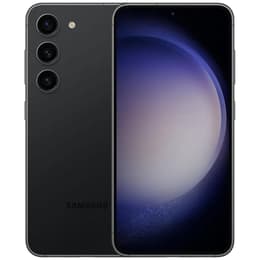
Galaxy S23 • Unlocked
Starting at

Refurbished price:$194.99

Versus $799.00 new

See options
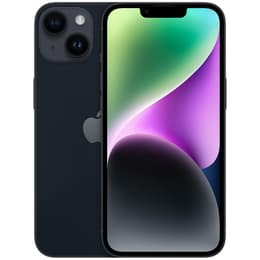
iPhone 14 • Locked AT&T
Starting at

Refurbished price:$206.00

Versus $629.00 new

See options

Ratings

The Samsung Galaxy S23 and the Apple iPhone 14 are both prominent smartphones released in early 2023 and late 2022, respectively. While both devices offer a premium smartphone experience, they cater to different user preferences through their distinct operating systems and hardware philosophies. The Galaxy S23 runs on Android, offering a customizable interface, whereas the iPhone 14 operates on iOS, known for its streamlined ecosystem. Key differentiators include display technology, camera versatility, and software longevity.

Scores

Durability

When considering the long-term usability of a smartphone, factors like software support, physical resilience, and repairability are important. Both the Galaxy S23 and iPhone 14 are designed with durability in mind, featuring robust materials and water resistance.

  • Software Longevity: The iPhone 14, released in September 2022, typically receives software updates for an extended period, often 5 to 7 years from its release, ensuring access to new features and security patches for a considerable duration. The Galaxy S23, launched in February 2023, is promised 4 years of operating system updates and 5 years of security updates, making it one of the longest-supported Android devices.
  • Physical Durability: Both devices carry an IP68 rating for dust and water resistance, indicating they can withstand submersion in water under specific conditions. The iPhone 14 features a Ceramic Shield front cover, while the Galaxy S23 utilizes Gorilla Glass Victus 2 for screen protection. Both phones use aluminum for their frames.
  • Practical Lifespan: Users can expect both phones to perform reliably for several years. The iPhone's longer software support might offer a slight edge in terms of feeling 'current' for a longer period, while the Galaxy S23's robust build also contributes to its practical lifespan.

Release Year

2023

2022

Last OS Compatibility

Yes

Yes

OS

Android

iOS

Foldable

No

No

Performance

Performance is a critical aspect for daily smartphone use, influencing everything from app responsiveness to gaming experiences. Both the Galaxy S23 and iPhone 14 deliver capable performance, though they approach it with different hardware configurations.

  • Processing Power: The iPhone 14 is equipped with a powerful processor that ensures smooth operation across applications and efficient multitasking. The Galaxy S23 features a customized processor designed for its specific ecosystem, providing strong performance for demanding apps and gaming.
  • System Responsiveness: Users generally report that the iPhone 14 offers a fluid and stable user experience, handling everyday tasks and more intensive applications without noticeable slowdowns. The Galaxy S23 also provides a highly responsive experience, with users noting its capability to manage multiple applications simultaneously and maintain quick interactions.
  • Storage and Battery: The iPhone 14 is available with storage options up to 512GB, while the Galaxy S23 offers configurations up to 512GB, with higher storage variants often featuring faster internal storage technology. In terms of battery, the Galaxy S23 has a larger capacity battery compared to the iPhone 14, and users often report it lasting a full day with moderate to heavy use. The iPhone 14 also provides all-day battery life for many users.

Memory (GB)

8 GB

6 GB

Screen quality

The display is the primary interface for smartphone interaction, and both the Galaxy S23 and iPhone 14 offer high-quality viewing experiences with distinct characteristics.

  • Display Technology: The iPhone 14 features a 6.1-inch Super Retina XDR OLED display, known for its deep blacks and vibrant color reproduction. The Galaxy S23 also comes with a 6.1-inch Dynamic AMOLED 2X display, which provides rich colors and strong contrast.
  • Resolution and Clarity: The iPhone 14 has a resolution of 2532 x 1170 pixels, resulting in a pixel density of approximately 460 pixels per inch (ppi), offering sharp and detailed visuals. The Galaxy S23 has a resolution of 2340 x 1080 pixels, with about 425 ppi, which also delivers clear imagery.
  • Brightness and Refresh Rate: The Galaxy S23's display can reach a peak brightness of up to 1750 nits, making it highly visible even in bright outdoor conditions. The iPhone 14 offers a peak brightness of 1200 nits for HDR content. A notable difference is the refresh rate: the Galaxy S23 features an adaptive 120Hz refresh rate for smoother scrolling and animations, while the iPhone 14 maintains a standard 60Hz refresh rate.

Resolution

1080 x 2340

1170 x 2532

Screen type

Dynamic AMOLED 2X

Super Retina XDR OLED

Audiovisual

Camera capabilities are a significant consideration for many users, and both the Galaxy S23 and iPhone 14 offer advanced systems for capturing photos and videos.

  • Camera Systems: The Galaxy S23 features a versatile triple-camera setup, including a 50-megapixel main sensor with optical image stabilization, a 12-megapixel ultrawide lens, and a 10-megapixel telephoto lens capable of 3x optical zoom. The iPhone 14 has a dual-camera system with a 12-megapixel main sensor (with a larger sensor and faster aperture) and a 12-megapixel ultrawide lens.
  • Photography Performance: The Galaxy S23's dedicated telephoto lens provides a clear advantage for zoomed-in shots, offering sharper details compared to the iPhone 14's digital zoom. Both phones excel in everyday photography, producing vibrant and detailed images. The iPhone 14 includes a Photonic Engine for improved low-light performance.
  • Video Recording and Audio: The Galaxy S23 can record video at up to 8K resolution at 30 frames per second, while the iPhone 14 records up to 4K at 60 frames per second. The iPhone 14 also features an Action Mode for enhanced video stabilization. Both devices offer good microphone quality for calls and recording, and their speakers provide a clear audio experience for media consumption.

Main camera

50 megapixels

12 megapixels

Front camera

12 megapixels

12 megapixels

Miscellaneous

Beyond core features, several practical elements contribute to the overall user experience and differentiate these two smartphones.

  • Connectivity and Ports: Both devices support 5G connectivity, along with modern Wi-Fi and Bluetooth standards. The Galaxy S23 uses a USB-C port, which is a widely adopted standard, while the iPhone 14 continues to use Apple's proprietary Lightning port.
  • Biometrics and Sensors: The iPhone 14 relies on Face ID for secure facial recognition. The Galaxy S23 offers both facial recognition and an in-display fingerprint sensor for biometric authentication. Both phones include a range of sensors for various functionalities, such as accelerometers, gyroscopes, and ambient light sensors.
  • Design and Build: The Galaxy S23 weighs approximately 168 grams, while the iPhone 14 is slightly heavier at around 172 grams. Both phones feature a flat-sided design with glass backs and aluminum frames. The iPhone 14 also includes unique safety features like Emergency SOS via satellite and Crash Detection.

Weight

6 oz

6 oz

Screen size (inches)

6.1

6.1

Network

5G

5G

SIM card

Physical SIM + eSIM

eSIM

Carrier compatibility

Unlocked

AT&T

The Samsung Galaxy S23 and iPhone 14 each present a compelling package, appealing to different user priorities. Users often praise the Galaxy S23 for its vibrant 120Hz display, versatile camera system with optical zoom, and the flexibility offered by the Android operating system. Some common criticisms from users have included reports of camera blur issues and battery degradation over time for some units.

The iPhone 14 is frequently lauded for its consistently smooth performance, reliable software experience, and strong video recording capabilities. However, some users have expressed disappointment with its 60Hz display, which can feel less fluid compared to higher refresh rate screens, and its design, which is largely unchanged from its predecessor.

Users prioritizing a highly customizable experience, a triple-camera system with optical zoom, and a high refresh rate display may find the Galaxy S23 well-suited to their needs. Conversely, individuals who value a highly integrated ecosystem, long-term software support, and robust video features might lean towards the iPhone 14. Both devices represent solid choices in the smartphone market, and for those seeking a more sustainable option, considering a quality-assured refurbished alternative can be an eco-friendly choice.


See all articles

Our recent comparisons