Compare models

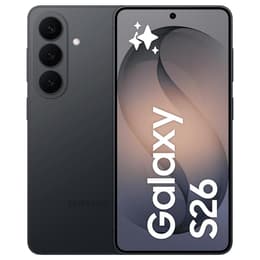
Galaxy S23 • Unlocked vs Galaxy S26 • Unlocked

  • 1-year warranty
  • Free standard shipping
  • Free 30-day returns
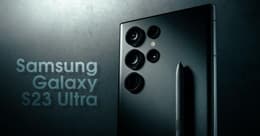
Galaxy S23 • Unlocked
Starting at

Refurbished price:$235.00

Versus $799.99 new

See options
Galaxy S26 • Unlocked
Starting at

Refurbished price:$617.00

Versus $899.00 new

See options

Differences at a glance

The Samsung Galaxy S23 (2023) and the Samsung Galaxy S26 (2026) represent different eras of Samsung's flagship compact smartphone lineup. While both devices share a focus on pocket-friendly dimensions and versatile triple-lens camera systems, the Galaxy S26 introduces refined processing capabilities, expanded base storage configurations, and updated software integration that distinguish it from the earlier Galaxy S23.

Running on modern iterations of Android and Samsung's custom interface, both handsets deliver clean navigation, though they span multiple generations of hardware evolution. This comparison examines how their core specifications, display characteristics, and everyday functionality differ to help users determine which device fits their specific requirements.

Available Models

Color

Storage (GB)

Scores

Durability

When comparing the Galaxy S23 and the Galaxy S26 regarding long-term usability, generational release timelines and software update schedules play a central role in determining overall support longevity.

  • Software support duration: The newer Galaxy S26 benefits from an extended software update schedule that stretches further into the future compared to the older Galaxy S23, making it better suited for users who keep devices for many years.
  • Repairability and build durability: Both smartphones utilize robust glass-and-aluminum designs with high-level water and dust resistance ratings, while maintaining standardized internal component layouts that facilitate professional repairs when necessary.

Release Year

2023

2026

Last OS Compatibility

Yes

Yes

OS

Android

Android

Foldable

No

No

Performance

Processing power, memory configurations, and battery management define how each smartphone handles intensive daily routines, background synchronization, and prolonged mobile gaming sessions.

  • Everyday responsiveness: The Galaxy S26 handles demanding applications and heavy multitasking with greater thermal efficiency thanks to its current-generation processor and larger base memory configurations.
  • Battery behavior and endurance: The Galaxy S26 features a slightly larger physical battery capacity paired with optimized power management, helping it maintain charge through intensive daily workflows more consistently than the smaller power reservoir of the Galaxy S23.

Screen quality

Display technology across both generations emphasizes high contrast, deep black levels, and smooth visual rendering for media consumption and text readability.

  • Display panels and refresh rates: Both models utilize vibrant organic light-emitting displays equipped with responsive adaptive refresh rates that scale up for fluid scrolling and down during static viewing to conserve energy.
  • Outdoor visibility: The Galaxy S26 incorporates advanced screen protection and elevated peak brightness thresholds, improving legibility under direct sunlight compared to the preceding Galaxy S23 screen architecture.

Resolution

1080 x 2340

1080 x 2340

Screen type

Dynamic AMOLED 2X

Dynamic LTPO AMOLED 2X

Audiovisual

Photography and media capture hardware across these two options utilize multi-lens rear arrays designed to handle diverse lighting environments and video recording tasks.

  • Low-light and everyday photography: Both devices capture crisp details and balanced colors using primary wide sensors and supporting ultra-wide lenses, while the newer model applies refined computational processing to reduce image noise in dark settings.
  • Audio and video output: Stereo speaker setups on both phones deliver clear dialogue and adequate volume for casual media viewing, complemented by multi-microphone arrays that isolate voice input effectively during calls.

Main camera

50 megapixels

50.0

Front camera

12 megapixels

12.0

Miscellaneous

Physical dimensions, connectivity standards, and daily handling characteristics dictate how comfortably each phone integrates into a user's travel or professional routine.

  • Handling and dimensions: Both phones offer compact footprints that favor single-handed use, with the Galaxy S26 managing to squeeze a slightly larger screen area into a similarly slim chassis profile.
  • Connectivity and ports: Both units support fast fifth-generation cellular networks, modern wireless communication standards, and reliable data transfer through reversible universal serial ports without legacy headphone jacks.

Weight

7 oz

167 oz

Screen size (inches)

6.1

6.3

Network

5G

5G

SIM card

Physical SIM + eSIM

Physical SIM + eSIM

Carrier compatibility

Unlocked

Unlocked

What the community thinks

Users evaluating these two smartphones will find that their choice depends heavily on individual usage priorities. Those who value software longevity, optimized multitasking performance, and enhanced outdoor screen brightness will find the Galaxy S26 well-suited to their daily routines. Conversely, users seeking a compact, capable device for standard communication, photography, and media playback will find the Galaxy S23 remains a practical option, particularly when exploring quality-assured refurbished choices.

Reviewers and everyday community members frequently praise both devices for their comfortable physical dimensions and reliable build quality, though some note that older models require more frequent charging under heavy workloads. Ultimately, selecting either device comes down to balancing update lifespans against specific processing needs, making sustainable options like a certified refurbished model from Back Market an effective way to secure reliable technology while supporting eco-friendly purchasing habits.

Our recent comparisons