Compare models

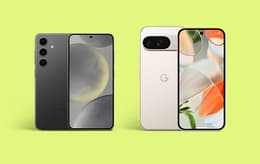
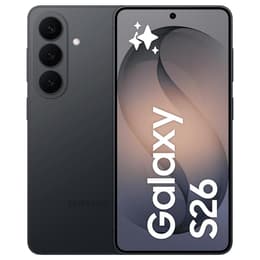
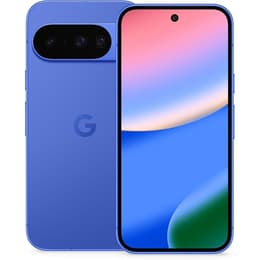
Galaxy S26 • Unlocked vs Google Pixel 10 • Unlocked

  • 1-year warranty
  • Free standard shipping
  • Free 30-day returns
Galaxy S26 • Unlocked
Starting at

Refurbished price:$622.00

Versus $899.00 new

See options
Google Pixel 10 • Unlocked
Starting at

Refurbished price:$502.04

Versus $899.00 new

See options

Differences at a glance

The Samsung Galaxy S26 (2026) and the Google Pixel 10 (2025) represent leading flagship options in the contemporary smartphone market. While both devices run on the Android operating system and target users seeking reliable everyday performance, they differ notably in physical dimensions, camera versatility, and interface philosophy. These distinct design paths cater to varied user preferences without compromising core smartphone capabilities.

Available Models

Color

Storage (GB)

Scores

Durability

Both smartphones offer robust build qualities and extended software support timelines expected from modern flagships, though their physical resilience and maintenance profiles differ.

  • Software Longevity: Both devices receive multi-year operating system updates and security patches, supporting long-term usability and up-to-date software environments.
  • Durability Ratings: Each model includes dust and water resistance certifications alongside scratch-resistant glass panels, helping protect internal components against everyday wear and minor drops.
  • Repairability: Both manufacturers design their hardware to meet standard industry repair guidelines, allowing service technicians to replace common components like screens and batteries when necessary.

Release Year

2026

2025

OS

Android

Android

Foldable

No

No

Performance

System responsiveness and everyday operation are handled efficiently on both devices, though they approach multitasking and power consumption through different internal architectures.

  • Multitasking and App Handling: Both models include ample random access memory, allowing users to switch between demanding applications, media streaming tools, and web browsing sessions without noticeable slowdowns.
  • Battery Behavior: Each device provides sufficient energy capacity to sustain typical daily usage, though variations in screen efficiency and background processing influence how long they last between charges.
  • Storage Configurations: Both smartphones offer multiple internal storage tiers to accommodate large photo libraries, downloaded media files, and offline application data.

Screen quality

Viewing experiences on both handsets benefit from bright, high-contrast display panels suited for varied lighting environments and media consumption.

  • Display Technology: Both models utilize advanced organic light-emitting diode panels that produce deep black levels and vibrant color reproduction for videos and photos.
  • Refresh Rates: Each device features a high maximum refresh rate that ensures smooth scrolling through web pages, menus, and compatible mobile games.
  • Outdoor Legibility: High peak brightness capabilities on both screens allow users to read messages and view maps clearly even under direct sunlight.

Resolution

1080 x 2340

1080x2424

Screen type

Dynamic LTPO AMOLED 2X

OLED

Audiovisual

Photography and video recording capabilities are central to both devices, offering versatile lens configurations for capturing everyday moments and scenic views.

  • Lens Systems: Both models feature primary wide-angle sensors and supplementary ultra-wide lenses, with one device integrating a dedicated optical telephoto zoom lens for distant subjects.
  • Processing and Low Light: Integrated image processing software helps both smartphones capture balanced exposures and clear details in challenging lighting conditions.
  • Video and Audio: High-resolution video recording and clear multi-microphone audio capture ensure reliable performance for recording home videos or taking voice calls.

Main camera

50.0

Advanced Triple Rear

Front camera

12.0

10.5-megapixel Dual PD selfie camera with autofocus

Miscellaneous

Physical handling, connectivity standards, and daily functional features define the practical ergonomics of each smartphone.

  • Dimensions and Weight: The Samsung Galaxy S26 features a slimmer, lighter profile well-suited for single-handed use, while the Google Pixel 10 has a slightly heavier, broader footprint that accommodates alternative internal layouts.
  • Connectivity: Both models support modern wireless standards including fifth-generation cellular data, high-speed Wi-Fi networks, and Bluetooth accessories.
  • Security Sensors: Each device incorporates secure biometric authentication methods, utilizing fast fingerprint sensors and facial recognition for unlocking the screen and authorizing apps.

Weight

167 oz

7 oz

Screen size (inches)

6.3

6.3

Network

5G

LTE

SIM card

Physical SIM + eSIM

eSIM

Carrier compatibility

Unlocked

Unlocked

Connector

USB-C

USB-C

What the community thinks

When choosing between these two devices, user priorities serve as the primary guide. Users who prefer a lightweight, slim profile with adaptable multitasking will find the Samsung Galaxy S26 well-suited to their routine. Conversely, users who prioritize specific camera focal lengths and a distinct software interface may lean toward the Google Pixel 10. Actual users frequently praise the dependable screen clarity and responsive day-to-day operation of both models, though some note that heavier workloads can cause noticeable warmth during extended use. For consumers seeking an eco-friendly, quality-assured alternative, opting for a certified refurbished model through Back Market provides a sustainable path toward acquiring either device while reducing electronic waste. Ultimately, both options deliver reliable performance aligned with modern mobile expectations.

Our recent comparisons