Samsung
Compare models
Differences at a glance
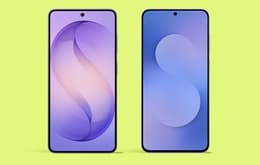
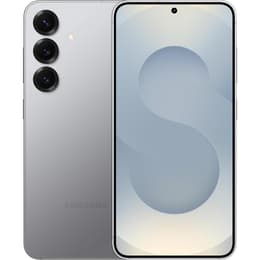
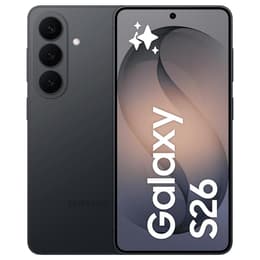
The Samsung Galaxy S25 (2025) and the Samsung Galaxy S26 (2026) represent consecutive generations of Samsung's flagship smartphone lineup. Both devices deliver high-end mobile computing within compact, pocket-friendly frames, though the newer model introduces subtle hardware refreshes and an updated operating system version. While they share similar design philosophies, choosing between them involves evaluating minor differences in physical layout, internal processing capabilities, and software longevity.
Color
Storage (GB)
When examining longevity, both smartphones are engineered to receive long-term software updates, though their release schedules place them at different points in their support lifecycles.
Release Year
Last OS Compatibility
OS
Foldable
Underneath the exterior, both devices manage heavy multitasking, gaming, and everyday applications with high levels of system fluidity and responsiveness.
Viewing experiences on both handsets benefit from vibrant display technologies optimized for outdoor visibility and media consumption.
Resolution
Screen type
Photography and video recording suites on both generations provide versatile toolsets for capturing everyday moments and low-light scenes.
Practical daily usability is shaped by connectivity standards, physical dimensions, and security sensors built into each chassis.
Weight
Screen size (inches)
Network
SIM card
Carrier compatibility
Connector
Users prioritizing maximum software longevity and incremental processing improvements often lean toward the Galaxy S26, while those seeking a reliable, high-end daily device at a different stage of its lifecycle may consider the Galaxy S25. Reviewers and community members frequently praise both handsets for striking a balance between compact dimensions and uncompromised flagship features, though some note that generation-over-generation design changes are relatively minimal.
For buyers interested in a quality-assured refurbished option, exploring sustainable choices through Back Market offers a reliable way to acquire these flagship devices while reducing electronic waste. Ultimately, your choice depends on whether you prefer the extended support window of the newer generation or a proven, highly capable daily driver from the previous year.