
Compare models

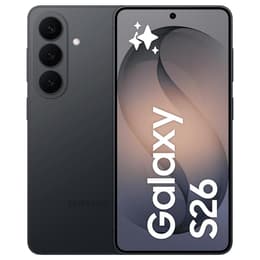
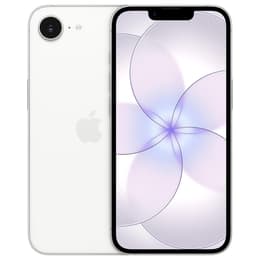
Galaxy S26 • Unlocked vs iPhone 17e • Unlocked

  • 1-year warranty
  • Free standard shipping
  • Free 30-day returns
Galaxy S26 • Unlocked
Starting at

Refurbished price:$653.00

Versus $899.00 new

See options
iPhone 17e • Unlocked
Starting at

Refurbished price:$574.00

Versus $699.00 new

See options

Differences at a glance

The Samsung Galaxy S26 (2026) and the Apple iPhone 17e (2026) are contemporary smartphones designed to deliver high-tier functionality within distinct ecosystem frameworks. While the Galaxy S26 operates on Android with Samsung's customized interface, the iPhone 17e runs on Apple's iOS ecosystem. Both devices target users looking for modern features, yet they diverge significantly in hardware philosophy and software integration.

Available Models

Color

Storage (GB)

Scores

Durability

Evaluating the long-term viability of the Galaxy S26 and the iPhone 17e reveals robust software support and durable physical engineering typical of current-generation releases.

  • Software longevity: Both manufacturers provide extensive multi-year operating system updates and security patches, ensuring each device maintains software currency and security protections for many years.
  • Build resilience: The Galaxy S26 and the iPhone 17e incorporate reinforced glass and high-grade aluminum or alloy frames paired with high-level dust and water resistance ratings.
  • Repair infrastructure: Both brands offer authorized repair channels and standardized modular components, though repair complexity remains moderate due to tightly sealed internal layouts.

Release Year

2026

2026

OS

Android

iOS

Foldable

No

No

Performance

Under everyday conditions, both devices handle intensive workloads, seamless multitasking, and rapid app switching with notable efficiency, though they utilize different hardware architectures.

  • Multitasking and memory: Both smartphones feature generous random access memory allocations that keep background applications active without sudden reloads.
  • App loading and responsiveness: Applications open instantly, and graphics-heavy mobile games run at high frame rates with stable thermal management.
  • Battery behavior: Energy efficiency optimizations in both the Galaxy S26 and the iPhone 17e allow typical users to easily transition through a full day of mixed usage before requiring a recharge.

Screen quality

Display characteristics on both handsets emphasize visual fidelity, utilizing advanced panel technology to ensure sharp text rendering and rich contrast.

  • Display technology: Both models use organic light-emitting diode panels that produce deep black levels, high contrast ratios, and vivid color reproduction for media consumption.
  • Outdoor visibility: High peak brightness capabilities allow content to remain easily legible even under direct sunlight or bright outdoor lighting conditions.
  • Panel dimensions: The Galaxy S26 and the iPhone 17e offer comfortable screen sizes that balance expansive viewing space with pocket-friendly ergonomics.

Resolution

1080 x 2340

2532 x 1170

Audiovisual

Multimedia capabilities on these devices cater to everyday photography, video creation, and high-definition audio playback for daily communication.

  • Camera versatility: The Galaxy S26 features a flexible multi-lens array including ultra-wide options, whereas the iPhone 17e relies on a streamlined single-lens system optimized for sharp everyday captures and portrait depth.
  • Video recording: Both phones capture stable, high-resolution video equipped with advanced stabilization features and clear multi-microphone audio recording.
  • Media output: Stereo speaker setups on both devices deliver balanced sound output suitable for hands-free calls, podcasts, and casual video viewing.

Main camera

50.0

48 megapixels

Front camera

12.0

12 megapixels

Miscellaneous

Practical daily usability elements such as connectivity standards, biometric security, and physical dimensions shape the handling experience of each phone.

  • Connectivity and ports: Both handsets support current 5G network bands, fast Wi-Fi standards, and Bluetooth connections, utilizing reversible charging and data transfer ports.
  • Security sensors: The Galaxy S26 utilizes an in-display fingerprint reader and facial recognition, while the iPhone 17e relies exclusively on secure face authentication hardware.
  • Physical handling: Slim profiles and moderate weight distribution ensure that users can operate either device comfortably with one hand during extended periods. Choosing a quality-assured refurbished option provides a sustainable choice for consumers aiming to reduce environmental impact.

Weight

167 oz

169 oz

Screen size (inches)

6.3

6.1

Network

5G

5G

SIM card

Physical SIM + eSIM

eSIM

Carrier compatibility

Unlocked

Unlocked

Connector

USB-C

USB-C (USB 2)

What the community thinks

User community discussions highlight several distinct advantages for each device. Owners of the Galaxy S26 frequently praise its flexible interface customization, versatile multi-lens camera layout, and seamless integration with broader Android ecosystems. Conversely, iPhone 17e users often emphasize the clean operating system navigation, robust long-term resale value, and smooth integration with Apple companion hardware.

Users prioritizing broad software customization, expandable multitasking workflows, and versatile photography options may prefer the Galaxy S26. Meanwhile, users prioritizing simplified ecosystem synchronization, straightforward user interfaces, and streamlined daily performance will find the iPhone 17e well-suited to their needs. Exploring a sustainable choice through a quality-assured refurbished option allows buyers to access these technologies responsibly. Ultimately, the choice depends entirely on individual platform preference and workflow requirements.

Our recent comparisons