
Compare models
Google Pixel 10 • Unlocked vs iPhone 16 • Unlocked
- 1-year warranty
- Free standard shipping
- Free 30-day returns
Differences at a glance
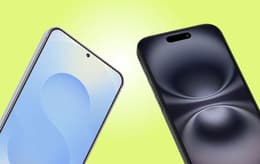
The Google Pixel 10 (2025) and the Apple iPhone 16 (2024) represent flagship smartphones from two distinct software ecosystems. While both devices deliver robust everyday functionality and modern designs, they differ primarily in their operating systems, hardware integration, and camera layouts. The Google Pixel 10 runs on Android 16 with heavy emphasis on custom AI utilities, whereas the iPhone 16 operates on iOS with tightly integrated Apple hardware features.
Available Models
Color
Storage (GB)
Scores
Durability
Both smartphones offer extended support windows and durable construction, though their expected software lifecycles and repair ecosystems differ based on manufacturer support models.
- Software Support: The Google Pixel 10 receives up to seven years of major operating system updates, while the iPhone 16 typically enjoys a multi-year software lifecycle spanning approximately five to six years of iOS upgrades.
- Build and Repairability: Both models feature dust and water resistance alongside reinforced glass designs, though component availability for independent repairs varies between the Android and iOS ecosystems.
- Expected Lifespan: Robust internal memory configurations and long-term security patching ensure both devices maintain practical usability over several years of heavy ownership.
Release Year
2025
2024
Foldable
No
No
Performance
Performance across both models handles intensive multitasking, demanding applications, and background operations smoothly through optimized hardware and software integration.
- Processing Power: Both devices manage rapid app loading, responsive multitasking, and high-frame-rate mobile gaming effortlessly, utilizing efficient processing architectures to prevent thermal throttling during extended use.
- Memory and Storage: The Google Pixel 10 is equipped with ample random access memory to handle heavy on-device utility tasks, while the iPhone 16 utilizes efficient memory management to maintain fluid switching between background apps.
- Battery Behavior: Both smartphones deliver reliable all-day battery endurance under typical mixed usage conditions, supporting fast charging protocols and wireless power sharing options.
Screen quality
Visual output on both devices utilizes vibrant display technologies engineered for sharp clarity, fluid motion, and high outdoor visibility.
- Display Technology: Both models feature advanced OLED panels that produce deep black levels, high contrast ratios, and vivid color accuracy for media consumption.
- Refresh Rate and Motion: High refresh rate support ensures fluid scrolling through web pages and responsive touch interactions during gaming and daily navigation.
- Outdoor Brightness: High peak brightness capabilities allow both screens to remain legible under direct sunlight, while automatic ambient light adjustments optimize viewing comfort in dark environments.
Resolution
1080x2424
1179 x 2556
Screen type
OLED
Super Retina XDR OLED
Audiovisual
Multimedia capabilities vary between the two models, offering distinct configurations for photography, video recording, and audio reproduction.
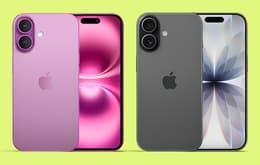
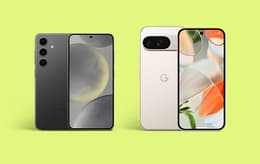
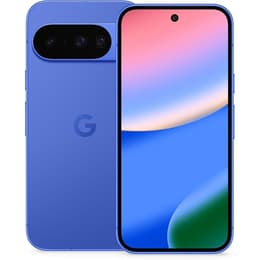
- Camera Systems: The Google Pixel 10 incorporates a versatile triple-lens rear arrangement including a dedicated telephoto zoom lens, whereas the iPhone 16 relies on a refined dual-lens setup optimized for rapid point-and-shoot clarity.
- Video and Low Light: Both devices capture stabilized high-resolution video footage and process challenging low-light scenes effectively using computational imaging techniques.
- Audio and Calls: Stereo speaker arrays on both smartphones deliver clear media playback and distinct vocal separation during hands-free calls and virtual meetings.
Main camera
Advanced Triple Rear
48 megapixels
Front camera
10.5-megapixel Dual PD selfie camera with autofocus
12 megapixels
Miscellaneous
Practical everyday hardware features shape how each device connects to accessories, handles physical ergonomics, and integrates into daily routines.
- Connectivity Standards: Both models support 5G cellular networks, modern Wi-Fi protocols, and Bluetooth standards for reliable peripheral pairing.
- Physical Ports: Universal USB-C standards handle wired charging and data transfers across both devices.
- Ergonomics: Subtle variations in width, weight distribution, and contoured frame materials dictate single-handed comfort and pocketability for daily travelers and professionals.
Weight
7 oz
185 oz
Screen size (inches)
6.3
6.1
Network
LTE
5G
SIM card
eSIM
eSIM
Carrier compatibility
Unlocked
Unlocked
Connector
USB-C
USB-C (USB 2)
What the community thinks
User feedback highlights distinct preferences for each device based on ecosystem familiarity and hardware priorities. Owners of the Google Pixel 10 frequently praise its advanced computational photography features, deep artificial intelligence integration, and extended software update commitment. Conversely, iPhone 16 users often emphasize the seamless continuity across Apple accessories, consistent video recording quality, and streamlined interface design.
Users prioritizing deep customization, flexible file management, and versatile zoom photography may prefer the Google Pixel 10. Meanwhile, users who value ecosystem synchronization, long-term resale retention, and straightforward operating simplicity often lean toward the iPhone 16. For buyers seeking a sustainable choice, a quality-assured refurbished option provides an eco-friendly alternative to brand-new hardware without compromising on performance or reliability. Ultimately, the choice depends on whether daily routines align more closely with the Android or iOS software experience.