
Google Pixel 7 • Unlocked vs iPhone 16 Pro • Unlocked

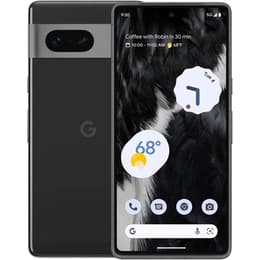
Google Pixel 7 • Unlocked
Starting at

Refurbished price:$185.99

Versus $599.99 new

See options
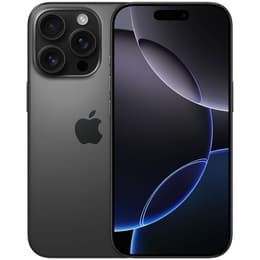
iPhone 16 Pro • Unlocked
Starting at

Refurbished price:$621.98

Versus $999.00 new

See options

Ratings

The Google Pixel 7, released in October 2022, and the iPhone 16 Pro, launched in September 2025, represent distinct approaches to the premium smartphone experience. While the Pixel 7 operates on Google's Android platform, emphasizing AI-driven features and computational photography, the iPhone 16 Pro runs on Apple's iOS, known for its integrated ecosystem and robust performance. These devices cater to different user preferences, primarily differing in their operating systems, camera capabilities, and overall performance profiles.

Scores

Durability

When considering the longevity of these devices, several factors come into play, including software support, build quality, and repairability.

  • Release Timeline: The Google Pixel 7 was released in October 2022, while the iPhone 16 Pro launched in September 2025. This three-year difference means the iPhone 16 Pro benefits from a more recent hardware and software foundation.
  • Software Longevity: Google typically provides around five years of major OS updates and seven years of security updates for its Pixel devices, offering a substantial period of support for the Pixel 7. Apple generally offers five to six years of iOS updates for its iPhones from their release date, suggesting the iPhone 16 Pro will receive software support well into the future.
  • Durability and Materials: The Pixel 7 features Gorilla Glass Victus on both its front and back, encased in an aluminum frame. The iPhone 16 Pro, building on its predecessor, utilizes a Ceramic Shield front cover and a textured matte glass back, framed by titanium, which offers a balance of strength and reduced weight. Both devices carry an IP68 rating for water and dust resistance, indicating robust protection against environmental elements.

Release Year

2022

2024

Last OS Compatibility

Yes

Yes

Foldable

No

No

Performance

Performance is a key differentiator, with the newer iPhone 16 Pro offering a significant generational leap in processing power compared to the Pixel 7.

  • Processing Power: The Google Pixel 7 is powered by the Google Tensor G2, designed to optimize AI and machine learning tasks, providing smooth performance for everyday applications and efficient handling of computational photography. The iPhone 16 Pro features a more recent A-series chip, which delivers substantial improvements in CPU and GPU performance, ensuring exceptionally fluid multitasking, demanding gaming, and professional-grade applications run without compromise.
  • Memory and Storage: The Pixel 7 comes with 8GB of RAM and storage options of 128GB or 256GB. The iPhone 16 Pro typically offers 8GB of RAM with a wider range of storage configurations, including 128GB, 256GB, 512GB, and 1TB, catering to users with extensive storage needs.
  • Battery Behavior: The Pixel 7 is equipped with a 4355 mAh battery, supporting fast wired and wireless charging. Users generally report that the Pixel 7's battery can last through a full day of moderate use. The iPhone 16 Pro, with its optimized hardware and software, is designed to provide extended battery life, with its predecessor offering up to 23 hours of video playback.

Memory (GB)

8 GB

8 GB

Screen quality

Both devices offer high-quality displays, but the iPhone 16 Pro introduces advancements in refresh rate and peak brightness.

  • Display Technology and Size: The Google Pixel 7 features a 6.3-inch OLED display with a resolution of 2400 x 1080 pixels, resulting in a pixel density of 416 ppi. The iPhone 16 Pro sports a 6.1-inch Super Retina XDR OLED display with a resolution of 2556 x 1179 pixels, providing a pixel density of 460 ppi.
  • Refresh Rate and Smoothness: The Pixel 7 has a 90Hz refresh rate, which provides a smooth scrolling experience for most users. The iPhone 16 Pro incorporates ProMotion technology, offering an adaptive refresh rate up to 120Hz, which dynamically adjusts for smoother visuals in supported content and more responsive interactions.
  • Brightness and Clarity: The Pixel 7's display can reach up to 1000 nits in high brightness mode and a peak of 1400 nits. The iPhone 16 Pro offers higher brightness levels, with typical maximum brightness of 1000 nits, HDR peak brightness of 1600 nits, and an outdoor peak brightness of 2000 nits, enhancing visibility in bright conditions.

Resolution

1080 x 2400

1206 x 2622

Screen type

AMOLED

LTPO Super Retina XDR OLED

Audiovisual

The camera systems on both devices are central to their appeal, each excelling in different aspects of mobile photography and videography.

  • Rear Camera Systems: The Google Pixel 7 features a dual-camera setup with a 50MP main sensor and a 12MP ultrawide lens. Its strength lies in Google's computational photography, delivering consistent image quality and strong low-light performance. The iPhone 16 Pro boasts a triple-lens Pro camera system, including a 48MP main sensor, a 48MP ultrawide lens, and a 12MP telephoto lens with 5x optical zoom. This configuration provides greater versatility, especially for zoomed shots and wider perspectives.
  • Photography Features: The Pixel 7 excels in features like Night Sight and Real Tone for accurate skin tones. The iPhone 16 Pro offers advanced features such as improved low-light performance across all lenses, next-generation portrait mode, and the ability to capture 24MP or 48MP photos from its main sensor.
  • Video Capabilities: Both phones support 4K video recording at 30 and 60 frames per second. The iPhone 16 Pro further enhances video with features like Cinematic mode, ProRes video recording, and the ability to record spatial video, with rumors suggesting 4K 120fps video recording.

Main camera

50 megapixels

48 megapixels

Front camera

10.8 megapixels

12 megapixels

Miscellaneous

Beyond core features, several practical elements contribute to the overall user experience of these smartphones.

  • Connectivity: Both the Pixel 7 and iPhone 16 Pro support 5G cellular connectivity and Wi-Fi 6E, offering fast and reliable wireless performance. The iPhone 16 Pro also includes Bluetooth 5.3, an upgrade from the Pixel 7's Bluetooth 5.2.
  • Ports and Biometrics: Both devices have transitioned to USB-C ports, with the iPhone 16 Pro supporting faster USB 3.2 data transfer speeds compared to the Pixel 7's USB 3.2 Gen 1. The Pixel 7 uses an under-display optical fingerprint sensor for biometric authentication. The iPhone 16 Pro relies on Face ID for secure facial recognition.
  • Design and Handling: The Pixel 7 measures 155.6 x 73.2 x 8.7 mm and weighs 197g. The iPhone 16 Pro is slightly more compact at 146.6 x 70.6 x 8.3 mm and weighs 187g, featuring a titanium frame for a lighter yet durable build. The iPhone 16 Pro also introduces an Action Button, offering a customizable physical control for various functions.

Weight

6 oz

7030 oz

Screen size (inches)

6.3

6.3

Network

5G

5G

SIM card

Physical SIM + eSIM

eSIM

Carrier compatibility

Unlocked

Unlocked

The Google Pixel 7 and iPhone 16 Pro cater to different user priorities, reflecting their respective operating system philosophies and release timelines. Users often praise the Pixel 7 for its exceptional camera capabilities, particularly its computational photography and accurate color reproduction, making it a strong choice for those who prioritize point-and-shoot photography with minimal fuss. Its clean Android experience and emphasis on AI-driven features are also frequently highlighted as positives.

Conversely, the iPhone 16 Pro is lauded for its robust performance, seamless integration within the Apple ecosystem, and advanced camera system, which includes a versatile telephoto lens and enhanced video recording features. Its ProMotion display and premium build materials also contribute to a refined user experience. Common criticisms for the Pixel 7 sometimes include its 90Hz display, which some users feel is less fluid than 120Hz panels on competing devices, and its battery life, which, while solid, may not be best-in-class for heavy users. For the iPhone 16 Pro, while generally well-received, some users might find the iOS ecosystem less customizable than Android.

Users prioritizing a powerful, long-lasting device with a highly integrated ecosystem and advanced video capabilities will find the iPhone 16 Pro well-suited to their needs. Those who value an intuitive Android experience, exceptional computational photography, and a focus on AI features may lean toward the Google Pixel 7. Both devices offer quality-assured refurbished options, providing a sustainable choice for consumers looking to make an informed purchasing decision.

See all articles

Our recent comparisons