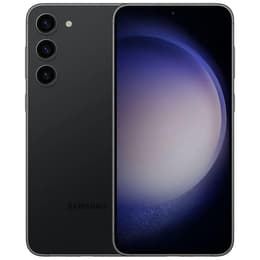


Galaxy S23+ • Unlocked vs Google Pixel 9 • Unlocked

Galaxy S23+ • Unlocked
Starting at

Refurbished price:$259.99

Versus $999.99 new

See options
Google Pixel 9 • Unlocked
Starting at

Refurbished price:$379.00

Versus $799.00 new

See options

Ratings

The Samsung Galaxy S23 Plus, released in February 2023, and the Google Pixel 9, launched in August 2024, are both prominent Android smartphones. While the Galaxy S23 Plus offers a balanced feature set with a focus on hardware versatility, the Pixel 9 emphasizes advanced computational capabilities and extended software longevity. Both devices operate on the Android platform, but the Pixel 9 benefits from a more recent operating system version and a longer commitment to future updates.

Scores

Durability

When considering the long-term usability of these devices, their release timelines and software support policies are key factors.

  • Release Timeline: The Google Pixel 9, released in August 2024, is a newer device compared to the Samsung Galaxy S23 Plus, which launched in February 2023. This difference in release dates directly impacts their expected software support windows.
  • Software Longevity: The Pixel 9 offers an extensive seven years of operating system and security updates, ensuring support until at least August 2031. In contrast, the Galaxy S23 Plus typically receives four years of major OS updates and five years of security updates, extending its support until early 2027 for OS and early 2028 for security. Users prioritizing the longest possible software support will find the Pixel 9 more aligned with their needs.
  • Physical Durability & Repairability: Both phones feature Gorilla Glass Victus 2 on the front and back, along with an IP68 rating for dust and water resistance, contributing to their physical resilience. The Pixel 9 has a provisional repairability score of 5 out of 10, with some reports indicating challenges in battery removal and display disassembly.

Release Year

2023

2024

Last OS Compatibility

Yes

Yes

OS

Android

Android

Foldable

No

No

Performance

Both smartphones are equipped with powerful internal components designed for smooth operation, though they utilize different approaches to processing power.

  • Processor Capabilities: The Galaxy S23 Plus is powered by a processor optimized for its ecosystem, delivering consistent and responsive performance across various applications and demanding tasks like gaming. The Pixel 9 features a newer generation processor, which contributes to its overall system responsiveness and efficiency, particularly with AI-driven features.
  • Multitasking and App Handling: Users of the Galaxy S23 Plus report that it handles multitasking and app switching with ease, maintaining fluidity even with multiple applications open. The Pixel 9, with its advanced processor and ample RAM, also provides a smooth experience for heavy app usage and seamless transitions between tasks.
  • Storage Options: The Galaxy S23 Plus is available with 256GB and 512GB storage options. The Pixel 9 offers 128GB and 256GB storage configurations.

Memory (GB)

8 GB

12 GB

Screen quality

The visual experience on both devices is characterized by vibrant displays, though with some distinctions in their specifications.

  • Display Technology and Clarity: The Galaxy S23 Plus features a 6.6-inch Dynamic AMOLED 2X display, offering deep blacks and vivid colors with a 1080 x 2340 pixel resolution. The Pixel 9 comes with a 6.3-inch Actua OLED display, providing sharp visuals at a 1080 x 2424 pixel resolution.
  • Brightness and Refresh Rate: Both phones offer a smooth 120Hz refresh rate for fluid scrolling and animations. The Galaxy S23 Plus can reach a peak brightness of 1750 nits, ensuring good visibility in bright outdoor conditions. The Pixel 9 boasts an even higher peak brightness of up to 2700 nits, enhancing outdoor readability and HDR content viewing.
  • Viewing Experience: The larger screen of the Galaxy S23 Plus provides a more expansive viewing area for media consumption and productivity. The Pixel 9's slightly smaller display offers a compact form factor while still delivering a high-quality visual experience.

Resolution

1080 x 2340

1080 x 2424

Screen type

Dynamic AMOLED 2X

OLED

Audiovisual

Both smartphones offer capable camera systems, each with distinct strengths in photography and video recording.

  • Rear Camera Systems: The Galaxy S23 Plus is equipped with a versatile triple-camera setup, including a 50 MP main sensor, a 12 MP ultrawide lens, and a 10 MP telephoto lens with 3x optical zoom. This allows for a range of photographic options, from wide-angle shots to zoomed-in details. The Pixel 9 features a 50 MP main camera and a 48 MP ultrawide camera with autofocus, known for its strong computational photography capabilities that enhance image quality, particularly in challenging lighting. The base Pixel 9 does not include a dedicated telephoto lens.
  • Low-Light Performance and Features: Both devices excel in low-light conditions, with the Galaxy S23 Plus offering improved night modes and the Pixel 9 leveraging its advanced image processing for clear and detailed night shots. The Pixel 9's ultrawide camera with autofocus provides more flexibility for capturing broader scenes.
  • Video Recording and Front Camera: The Galaxy S23 Plus supports 8K video recording at 30 frames per second, along with a 12 MP front camera. The Pixel 9 records 4K video at up to 60 frames per second and includes a 10.5 MP front camera with autofocus.

Main camera

50 megapixels

50 megapixels

Front camera

12 megapixels

10.5 megapixels

Miscellaneous

Beyond core features, several practical elements differentiate the user experience of these two devices.

  • Connectivity and Ports: Both phones support 5G connectivity for fast mobile data. The Galaxy S23 Plus includes Wi-Fi 6E and Bluetooth 5.3. The Pixel 9 also offers modern Wi-Fi standards and Bluetooth, alongside a USB-C 3.2 port for data transfer and charging.
  • Biometric Security: The Galaxy S23 Plus utilizes an under-display fingerprint sensor for secure unlocking. The Pixel 9 features an ultrasonic fingerprint reader, which generally offers enhanced reliability and speed.
  • Design and Handling: The Galaxy S23 Plus has dimensions of 157.8 x 76.2 x 7.6 mm and weighs 195g, offering a substantial feel. The Pixel 9 is slightly more compact at 152.8 x 72.0 x 8.5 mm and weighs 198g, providing a comfortable grip for one-handed use. Both devices feature a flat display and a premium build with Gorilla Glass Victus 2.

Weight

7 oz

7 oz

Screen size (inches)

6.6

6.3

Network

5G

5G

SIM card

Physical SIM + eSIM

Physical SIM + eSIM

Carrier compatibility

Unlocked

Unlocked

The Samsung Galaxy S23 Plus and Google Pixel 9 cater to slightly different user preferences, reflecting their respective release strategies and core strengths. Users often praise the Galaxy S23 Plus for its consistent performance, vibrant display, and versatile camera system, particularly appreciating its dedicated telephoto lens and robust battery life that can extend to two days for moderate usage. Some criticisms occasionally point to its display resolution not being as high as its Ultra counterpart, or its charging speeds not being the fastest available.

The Google Pixel 9, being a more recent release, garners acclaim for its significantly longer software support, advanced computational photography, and a display with exceptional peak brightness. Its improved battery life over previous Pixel generations is also a frequent point of positive feedback. However, some users note the absence of a dedicated telephoto lens on the base model and its repairability score being lower than anticipated.

Users prioritizing extended software updates and cutting-edge computational photography, especially in challenging lighting, may find the Google Pixel 9 to be a compelling choice. Conversely, those who value a dedicated optical zoom lens, a slightly larger display, and a proven track record of balanced hardware performance might lean towards the Samsung Galaxy S23 Plus. Both devices represent solid options in the Android ecosystem, and considering a quality-assured refurbished option for either model can be an eco-friendly alternative for consumers.

See all articles

Our recent comparisons