
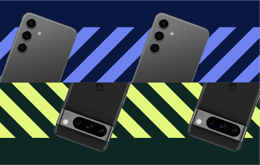
Galaxy S24 • Unlocked vs Google Pixel 7 • Unlocked

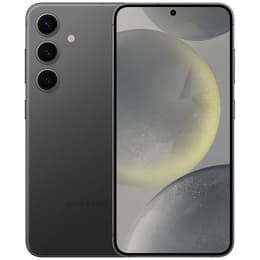
Galaxy S24 • Unlocked
Starting at

Refurbished price:$342.00

Versus $766.00 new

See options
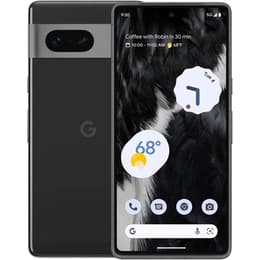
Google Pixel 7 • Unlocked
Starting at

Refurbished price:$185.00

Versus $599.99 new

See options

Ratings

The Samsung Galaxy S24, released in January 2024, and the Google Pixel 7, launched in October 2022, are both Android smartphones offering distinct user experiences. While the Galaxy S24 represents a more recent iteration with updated hardware and software commitments, the Pixel 7 provides a strong foundation with its focus on computational photography and a streamlined Android interface. Both devices operate on the Android platform, but they differ in their approach to software longevity and hardware capabilities.

Scores

Durability

The practical lifespan of a smartphone is influenced by its release timeline, software support, and ease of repair. These factors determine how long a device can remain functional and secure for daily use.

  • Release Timeline and Age: The Samsung Galaxy S24 was released in January 2024, making it a newer device compared to the Google Pixel 7, which launched in October 2022. This difference in release dates means the Galaxy S24 benefits from more recent hardware and a longer period before its technology becomes outdated.
  • OS Support Duration: The Galaxy S24 series is committed to receiving seven years of OS and security updates, extending its software support until approximately 2031. The Google Pixel 7, on the other hand, was promised five years of security updates from its release. This extended support for the Galaxy S24 provides a longer period of access to the latest Android features and security patches.
  • Repairability: The Samsung Galaxy S24 generally scores highly in repairability, with some teardowns giving it a 9/10 rating, noting features like easily removable batteries with pull tabs. The Google Pixel 7 has a moderate repairability score, around 6/10, with challenges such as a battery that is difficult to remove due to strong adhesive and a soldered USB-C port.

Release Year

2024

2022

Last OS Compatibility

Yes

Yes

OS

Android

Android

Foldable

No

No

Performance

Performance in smartphones is crucial for smooth operation, from launching applications to handling demanding tasks. Key aspects include storage, battery behavior, and overall system responsiveness.

  • Storage Options: Both devices offer various internal storage configurations to suit different user needs. The Galaxy S24 is available with 128GB, 256GB, or 512GB of storage. The Pixel 7 comes with 128GB or 256GB storage options.
  • Battery Behavior: The Google Pixel 7 features a larger 4355 mAh battery, which typically provides sufficient power for a full day of moderate use. The Samsung Galaxy S24 has a 4000 mAh battery, designed to offer comparable endurance through software optimizations.
  • System Responsiveness: The Galaxy S24, being a newer device, incorporates a more recent generation processor, which translates to faster app loading times, smoother multitasking, and enhanced performance in graphically intensive applications and games. The Pixel 7, while still capable, relies on its custom-designed processor to deliver a responsive user experience, particularly excelling in AI-driven tasks and image processing.

Memory (GB)

8 GB

8 GB

Screen quality

The display is a primary interface for smartphone interaction, and differences in technology, resolution, and brightness significantly impact the viewing experience.

  • Display Technology and Clarity: The Samsung Galaxy S24 features a 6.2-inch Dynamic AMOLED 2X display with a Full HD+ resolution (2340 x 1080 pixels), offering vibrant colors and deep blacks. The Google Pixel 7 has a 6.3-inch OLED display with a Full HD+ resolution (2400 x 1080 pixels), also providing good contrast and color reproduction.
  • Brightness Levels: The Galaxy S24 boasts a peak brightness of 2600 nits, which allows for excellent visibility even in bright outdoor conditions. The Pixel 7 offers a peak brightness of around 1400 nits, which is generally sufficient for most outdoor scenarios but may be less legible under direct sunlight compared to the S24.
  • Refresh Rate: The Galaxy S24 features an adaptive 120Hz refresh rate, meaning the screen can dynamically adjust its refresh rate from 1Hz to 120Hz for smoother scrolling and animations while conserving battery life. The Pixel 7 has a fixed 90Hz refresh rate, providing a smoother experience than standard 60Hz displays, but less fluid than the S24's adaptive 120Hz.

Resolution

1080 x 2340

1080 x 2400

Screen type

Dynamic LTPO AMOLED 2X

AMOLED

Audiovisual

Camera capabilities are a significant consideration for many users, encompassing the quality of photos, videos, and audio recording.

  • Camera System Capabilities: The Samsung Galaxy S24 is equipped with a versatile triple-camera system on the rear, including a 50 MP wide sensor, a 10 MP telephoto sensor with 3x optical zoom, and a 12 MP ultrawide sensor. The Google Pixel 7 features a dual-camera setup with a 50 MP wide main sensor and a 12 MP ultrawide sensor, but it lacks a dedicated telephoto lens.
  • Photography Performance: Both phones excel in everyday photography, producing detailed and color-accurate images. The Galaxy S24's dedicated telephoto lens provides greater flexibility for zoomed-in shots without significant loss of detail. The Pixel 7 is highly regarded for its computational photography, delivering strong results in various lighting conditions, particularly in low light with its Night Sight feature.
  • Video Recording Quality: The Galaxy S24 supports 8K video recording at up to 30 frames per second, offering high-resolution video capture. The Pixel 7 records video at up to 4K resolution at 60 frames per second, providing clear and stable footage.

Main camera

50 megapixels

50 megapixels

Front camera

12 megapixels

10.8 megapixels

Miscellaneous

Beyond core features, several practical elements contribute to the overall user experience, including connectivity, physical ports, and design considerations.

  • Connectivity Options: Both devices support 5G connectivity for fast mobile data speeds. The Galaxy S24 supports Wi-Fi 6E and Bluetooth 5.3. The Pixel 7 also supports Wi-Fi 6E and Bluetooth 5.2.
  • Port Types: Both the Galaxy S24 and Pixel 7 utilize a USB-C port for charging and data transfer. Neither device includes a traditional 3.5mm headphone jack.
  • Weight and Dimensions: The Samsung Galaxy S24 measures approximately 155.6 x 73.2 x 8.7 mm and weighs around 167g. The Google Pixel 7 has similar dimensions at 155.6 x 73.2 x 8.7 mm but is slightly heavier at 197g. This makes the Galaxy S24 a lighter option for users who prefer a less weighty device.
  • Build Materials and Durability: The Galaxy S24 features Corning Gorilla Glass Victus 2 on its display for enhanced scratch and drop resistance. The Pixel 7 uses Corning Gorilla Glass Victus for its display and a glass back with an aluminum frame. Both devices carry an IP68 rating for dust and water resistance.

Weight

6 oz

6 oz

Screen size (inches)

6.2

6.3

Network

5G

5G

SIM card

Physical SIM + eSIM

Physical SIM + eSIM

Carrier compatibility

Unlocked

Unlocked

The Samsung Galaxy S24 and Google Pixel 7 each offer compelling features, catering to different user priorities. User feedback for the Galaxy S24 often praises its vibrant and bright display, extended software support, and versatile camera system with a dedicated telephoto lens. Some users appreciate its lighter build and refined design. Criticisms sometimes point to the iterative nature of some upgrades compared to its predecessor.

For the Google Pixel 7, common praise centers on its exceptional computational photography capabilities, delivering high-quality images even without a dedicated telephoto lens, and its clean, user-friendly Android experience. Users also frequently highlight its solid battery life for its class. Some common concerns include its slightly lower display refresh rate compared to newer flagships and its repairability score being lower than some competitors.

Users prioritizing long-term software support, a brighter and more adaptive display, and the flexibility of a dedicated telephoto camera may find the Samsung Galaxy S24 well-suited to their needs. Its lighter weight could also be a deciding factor for those seeking a more portable device. Conversely, individuals who value a pure Android experience, advanced computational photography, and a slightly larger battery capacity might lean towards the Google Pixel 7. Both devices are robust choices, and considering a quality-assured refurbished option for either model can be an eco-friendly alternative to purchasing new, allowing users to make informed and sustainable choices.
See all articles

Our recent comparisons