Compare models
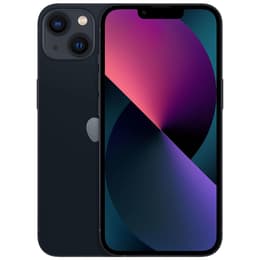
Google Pixel 7 • Unlocked vs iPhone 13 • Unlocked
- 1-year warranty
- Free standard shipping
- Free 30-day returns
Differences at a glance
The Google Pixel 7, released in October 2022, and the iPhone 13, launched in September 2021, represent distinct approaches to the modern smartphone experience. While the Pixel 7 emphasizes intelligent software features and a unique camera design within the Android ecosystem, the iPhone 13 focuses on consistent performance and deep integration with Apple's iOS platform. These differences extend to their core operating systems, offering users a choice between Google's customizable Android and Apple's streamlined iOS.
Available Models
Color
Storage (GB)
Scores
Durability
The longevity of a smartphone is influenced by its release timeline, software support, and physical resilience.
- Software Longevity: The iPhone 13 typically receives operating system updates for an extended period, often six to seven years from its launch, providing a long functional life for users who plan to keep their device for several years. The Pixel 7 offers three years of major system updates and five years of security patches, ensuring it remains protected and functional through 2027.
- Repairability and Build: Both phones feature glass and aluminum constructions that require careful handling, though they are rated for high water and dust resistance (IP68). The iPhone 13 initially received a repairability score of 5/10, which improved to 6/10 with a software update addressing Face ID issues after screen replacement. The Pixel 7 has a repairability score of around 6/10, with screen replacements being relatively easy but battery removal being more complex due to strong adhesive.
- Physical Resilience: The iPhone 13 incorporates Ceramic Shield protection on its front display for enhanced drop resistance. The Pixel 7 utilizes Corning Gorilla Glass Victus for scratch resistance and daily wear protection.
Release Year
2022
2021
Last OS Compatibility
Yes
Yes
OS
Android
iOS
Foldable
No
No
Performance
Both devices deliver responsive experiences for everyday tasks, though they prioritize different aspects of performance.
- System Responsiveness: The Pixel 7 excels at intelligent software tasks, such as real-time voice transcription and automated call screening, making it feel highly proactive for productivity. The iPhone 13 is known for its sustained speed, handling demanding video editing applications and high-end mobile games with consistent smoothness over time.
- Multitasking and Storage: The Pixel 7 comes with 8GB of RAM, which supports smooth multitasking across numerous applications. The iPhone 13 features 4GB of RAM, optimized by iOS for efficient app management. Both devices offer various non-expandable storage options, starting at 128GB.
- Battery Behavior: The Pixel 7 is equipped with a 4355mAh battery, while the iPhone 13 has a 3240mAh battery. In typical use cases, both phones generally offer good battery life, often lasting a full day for many users. Some users report the iPhone 13 can offer slightly longer endurance with moderate usage.
Screen quality
The visual experience on these two smartphones differs primarily in terms of size, refresh rate, and overall display characteristics.
- Display Technology and Clarity: Both devices utilize OLED technology, providing deep black levels and high contrast for media consumption. The Pixel 7 features a 6.3-inch OLED display with a resolution of 2400x1080 pixels. The iPhone 13 has a 6.1-inch Super Retina XDR OLED display with a resolution of 2532x1170 pixels.
- Refresh Rate and Smoothness: The Pixel 7 offers a 90Hz refresh rate, which results in smoother scrolling and more fluid animations compared to the standard 60Hz refresh rate on the iPhone 13. While the iPhone 13's 60Hz panel is well-optimized and feels smooth for its refresh rate, the Pixel 7 provides a noticeably more fluid visual experience during navigation.
- Brightness Levels: The Pixel 7 can reach a peak brightness of 1400 nits, with a typical high brightness mode of 1000 nits. The iPhone 13's Super Retina XDR display offers a typical maximum outdoor brightness of 800 nits and a peak brightness of 1200 nits for HDR content.
Resolution
1080 x 2400
1170 x 2532
Screen type
AMOLED
Super Retina XDR OLED
Audiovisual
Both smartphones offer capable camera systems, but they excel in different areas of photography and videography.
- Still Photography: The Pixel 7 features a 50MP main camera and a 12MP ultrawide lens. It is often praised for its still photography prowess, particularly in low-light conditions, producing brighter and sharper images with less noise due to its computational photography capabilities. The iPhone 13, with its 12MP main and 12MP ultrawide cameras, delivers natural-looking photos with consistent color reproduction.
- Video Recording Quality: The iPhone 13 generally offers stronger video recording quality and stabilization, making it a preferred choice for users who frequently shoot videos. Both devices are capable of recording 4K video at 60 frames per second. The Pixel 7 also offers a cinematic mode feature.
- Audio Experience: Both phones are equipped with stereo speakers that provide clear and sufficiently loud audio output without significant distortion at higher volumes. Neither device includes a 3.5mm headphone jack, requiring wireless headphones or an adapter for wired audio.
Main camera
50 megapixels
12 megapixels
Front camera
10.8 megapixels
12 megapixels
Miscellaneous
Beyond core specifications, several practical elements differentiate the daily user experience of these devices.
- Connectivity Options: Both the Google Pixel 7 and iPhone 13 support 5G networks for fast mobile data, along with modern Wi-Fi and Bluetooth standards. The Pixel 7 features Bluetooth 5.2, while the iPhone 13 uses Bluetooth 5.0.
- Port Types and Biometrics: The Pixel 7 utilizes a USB-C port for charging and data transfer, offering broad compatibility with many accessories. The iPhone 13 retains Apple's proprietary Lightning port. For security, the Pixel 7 offers both an under-display fingerprint sensor and facial recognition, providing users with flexible unlocking options. The iPhone 13 relies exclusively on its secure Face ID facial recognition system.
- Physical Design and Handling: The Pixel 7 measures 155.6 x 73.2 x 8.7mm and weighs 197g. The iPhone 13 is more compact and lighter at 146.7 x 71.5 x 7.7mm and 173g. The iPhone 13 features a classic flat-sided design, while the Pixel 7 has a distinctive camera bar across its back.
Weight
6 oz
6 oz
Screen size (inches)
6.3
6.1
Network
5G
5G
SIM card
Physical SIM + eSIM
Physical SIM + eSIM
Carrier compatibility
Unlocked
Unlocked
What the community thinks
User feedback often highlights the strengths and weaknesses of both the Google Pixel 7 and iPhone 13. The Pixel 7 is frequently praised for its exceptional still photography, particularly its low-light performance and computational photography features, which users find produce impressive results. Its 90Hz display and the clean, customizable Android experience are also common points of appreciation. However, some users have noted that the Pixel 7's battery life can be inconsistent, and there are occasional reports of the device warming up during intensive tasks.
The iPhone 13 receives consistent praise for its robust video recording capabilities and excellent video stabilization, making it a favorite for content creators and those who frequently capture moving footage. Its sustained performance over time and the seamless integration within the Apple ecosystem are also highly valued by users. Criticisms sometimes point to its 60Hz display, which some perceive as less fluid compared to higher refresh rate screens, and the presence of a notch that some find dated.
Users prioritizing advanced still photography, a customizable Android experience, and intelligent software features may find the Google Pixel 7 well-suited to their needs. Conversely, users who value superior video recording, long-term software support, and deep integration with other Apple devices may lean toward the iPhone 13. Both devices offer a quality-assured refurbished option, providing an eco-friendly alternative for consumers.