Compare models
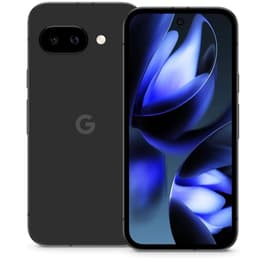
Galaxy S25 Ultra • Unlocked vs Google Pixel 9a • Unlocked
- 1-year warranty
- Free standard shipping
- Free 30-day returns
Differences at a glance
The Samsung Galaxy S25 Ultra (2025) and the Google Pixel 9a (2025) are both prominent modern smartphones running the Android operating system, though they cater to very different device classes. While the Galaxy S25 Ultra serves as a feature-rich, high-end flagship, the Pixel 9a provides a streamlined, accessible user experience. Both devices offer modern software support, yet they approach daily usability, physical sizing, and system architecture from distinct engineering philosophies.
Available Models
Color
Storage (GB)
Scores
Durability
When examining longevity and physical durability, both smartphones feature contemporary release timelines from early 2025 and provide extensive software update commitments to ensure long-term usability.
- Software Support and Updates: The Google Pixel 9a includes a long-term commitment of seven years of operating system and security updates. The Galaxy S25 Ultra matches this extended software lifecycle, providing multi-year maintenance to keep both models secure and functional over time.
- Build Materials and Repairability: The Galaxy S25 Ultra utilizes sturdy titanium framing and scratch-resistant glass armor, whereas the Pixel 9a employs a durable composite rear and robust framing with standard water and dust resistance ratings. Both devices are built to handle daily wear, with professional repair options readily available through quality-assured refurbished providers as an eco-friendly alternative.
Release Year
2025
2025
OS
Android
Android
Foldable
No
No
Performance
Underneath the surface, these devices handle multitasking and everyday applications differently based on their internal memory capacities and hardware design.
- Multitasking and Memory: The Galaxy S25 Ultra features high RAM configurations that handle heavy multitasking, complex graphics rendering, and intensive background tasks smoothly. The Pixel 9a relies on an optimized processor paired with moderate RAM, managing everyday applications, web browsing, and casual gaming efficiently.
- Battery Behavior: Both models integrate large battery capacities designed to comfortably last through a full day of typical mixed usage. The Galaxy S25 Ultra supports faster wired charging speeds, while the Pixel 9a balances power efficiency with reliable daily endurance.
Screen quality
Visual output and display engineering differ significantly in physical dimensions and peak brightness capabilities between the two models.
- Display Technology and Size: The Galaxy S25 Ultra features a large expansive display with advanced panel technology designed for immersive media viewing. The Pixel 9a offers a slightly smaller, flat OLED screen that maintains high clarity and comfortable one-handed handling.
- Smoothness and Brightness: Both devices support high refresh rates for smooth scrolling through menus and web pages. High peak brightness levels ensure that content remains legible on both screens even under direct outdoor sunlight.
Resolution
1440x3120
1080x2424
Screen type
Dynamic LTPO AMOLED 2X
P-OLED
Audiovisual
Photography and media capture hardware reflect each manufacturer's approach to imaging, catering to versatile shooting styles and everyday documentation.
- Camera System Versatility: The Galaxy S25 Ultra equips a versatile multi-lens array, including specialized zoom capabilities and high-resolution sensors for detailed landscape and close-up photography. The Pixel 9a utilizes a streamlined dual-lens setup focused on reliable everyday snapshots and advanced computational photo editing features.
- Audio and Video Recording: Both smartphones record high-definition video with robust stabilization features. Built-in microphone arrays capture clear audio during calls and video recording, while stereo speakers deliver balanced sound output for media consumption.
Miscellaneous
Practical daily features, connectivity standards, and physical handling characteristics define how each smartphone fits into everyday routines.
- Connectivity and Ports: Both models provide modern 5G connectivity, Wi-Fi networking standards, and Bluetooth capabilities. Each device relies on a reversible USB-C port for charging and data synchronization.
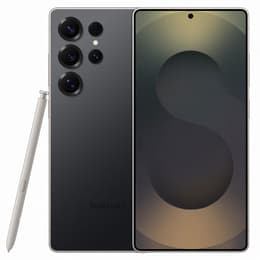
- Handling and Physical Design: The Galaxy S25 Ultra has a larger, heavier chassis designed to accommodate its expansive screen and built-in stylus utility. In contrast, the Pixel 9a features a lighter, more compact profile that rests easily in pockets and smaller hands.
Weight
8 oz
6 oz
Screen size (inches)
6.9
6.3
Network
5G
5G
SIM card
Physical SIM + eSIM
Physical SIM + eSIM
Carrier compatibility
Unlocked
Unlocked
What the community thinks
User discussions and community feedback highlight distinct preferences for each device based on real-world usage habits. Owners of the Galaxy S25 Ultra frequently praise its expansive display, advanced multi-lens camera versatility, and smooth handling of demanding workloads. At the same time, some users note its larger physical footprint and heavier weight can feel cumbersome for one-handed navigation. Conversely, Pixel 9a users often commend its clean software interface, reliable battery life, and comfortable, lightweight form factor, though occasional discussions point to its more modest memory configuration as a limitation for extreme multitasking.
When deciding between these options, users prioritizing expansive screen real estate, advanced telephoto photography, and maximum productivity power may prefer the Galaxy S25 Ultra. Meanwhile, users prioritizing a compact physical profile, streamlined daily efficiency, and long-term software support will find the Google Pixel 9a well-suited to their needs. Exploring quality-assured refurbished models provides a sustainable path toward acquiring either device while supporting eco-friendly technology choices.