Compare models
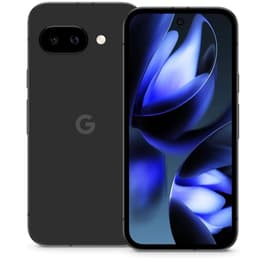
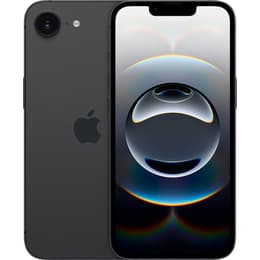
Google Pixel 9a • Unlocked vs iPhone 16e • Unlocked
- 1-year warranty
- Free standard shipping
- Free 30-day returns
Differences at a glance
The Google Pixel 9a (2025) and Apple iPhone 16e (2025) represent modern smartphone options designed to deliver core ecosystem experiences through distinct operating systems. While both devices serve users seeking reliable everyday technology, they differ significantly in screen refresh rates, software environments, and physical dimensions. The Pixel 9a runs on Android with integrated Google AI tools, whereas the iPhone 16e operates on iOS with Apple Intelligence capabilities.
Available Models
Color
Storage (GB)
Scores
Durability
Both models feature recent release timelines from 2025 and include robust structural protections suited for long-term daily use, though their software support commitments and repair ecosystems vary.
- Software longevity: The Google Pixel 9a receives seven years of full operating system updates and security patches, matching its hardware lifespan expectations. The iPhone 16e follows Apple's standard extended software support cycle, ensuring consistent updates over many years.
- Durability ratings: Both devices offer IP68 dust and water resistance ratings alongside reinforced glass protection to handle accidental drops and exposure to moisture during travel or outdoor activities.
- Repair accessibility: Component availability and authorized repair networks differ between the Android and iOS ecosystems, influencing turnaround times and long-term maintenance practicalities.
Release Year
2025
2025
OS
Android
iOS
Foldable
No
No
Performance
Equipped with current-generation internal hardware, both smartphones handle daily tasks, multitasking, and demanding mobile applications smoothly and efficiently.
- System responsiveness: Applications launch instantly, and switching between multiple open programs remains fluid due to optimized system memory management on both platforms.
- Battery behavior: The Google Pixel 9a incorporates a large capacity power cell designed to sustain extended heavy usage throughout a full day, while the iPhone 16e manages power efficiently via its streamlined operating system architecture.
- Storage capacity: Both models provide flexible internal storage configurations starting at base tiers suitable for standard media collections, applications, and offline documents.
Screen quality
The viewing experiences differ in size, smoothness, and panel technology, catering to varying preferences for media consumption and text readability.
- Display technology: The Google Pixel 9a features a 6.3-inch OLED screen with an adaptive refresh rate scaling up to 120Hz for smooth scrolling. The iPhone 16e utilizes a 6.1-inch Super Retina XDR OLED display locked at a standard 60Hz refresh rate.
- Outdoor visibility: High peak brightness levels on both panels ensure clear readability and vibrant color reproduction when using the devices under direct sunlight.
- Physical dimensions: The Pixel 9a offers a slightly larger workspace for reading and viewing media, whereas the iPhone 16e provides a more compact footprint for single-handed navigation.
Resolution
1080x2424
2532x1170
Screen type
P-OLED
Super Retina XDR
Audiovisual
Photography capabilities vary between the dual-lens configuration of the Android device and the single high-resolution sensor approach of the iOS competitor.
- Main photography: Both devices capture detailed, high-resolution images in daylight conditions, utilizing advanced computational processing to balance highlights and shadows automatically.
- Versatility: The Google Pixel 9a includes an ultra-wide secondary lens for capturing expansive landscapes, while the iPhone 16e relies on sensor-cropping capabilities to deliver optical-quality magnification from its primary camera.
- Video and audio: High-definition video recording features robust stabilization on both platforms, supported by clear internal microphone arrays for voice calls and media recording.
Miscellaneous
Physical design choices, connectivity standards, and biometric authentication methods shape the daily handling and ergonomic feel of each handset.
- Biometric security: The Google Pixel 9a relies on an under-display fingerprint sensor and facial recognition, whereas the iPhone 16e utilizes Face ID for secure authentication.
- Physical build: The Pixel 9a features a flat profile with a matte finish, while the iPhone 16e incorporates an aluminum frame with squared-off edges and glass backing.
- Connectivity ports: Both models adopt universal USB-C charging ports and support modern wireless communication standards including 5G and fast Wi-Fi networks.
Weight
6 oz
167 oz
Screen size (inches)
6.3
6.1
Network
5G
5G
SIM card
Physical SIM + eSIM
eSIM
Carrier compatibility
Unlocked
Unlocked
What the community thinks
User feedback highlights the Google Pixel 9a for its smooth high-refresh-rate display, robust battery capacity, and expansive multi-lens camera versatility. At the same time, reviewers frequently praise the iPhone 16e for its seamless operating system integration, dependable processing speeds, and compact ergonomic form factor. Some users note that the absence of an ultra-wide camera on the Apple device limits framing options, while certain Android users mention a preference for alternative biometric layouts.
Users prioritizing a fluid display and versatile photography options may prefer the Google Pixel 9a, while individuals embedded in the Apple ecosystem who value streamlined software and face recognition will find the iPhone 16e well-suited to their needs. Exploring a quality-assured refurbished option through Back Market provides an eco-friendly path to acquiring either device while supporting sustainable electronics consumption.