Compare models
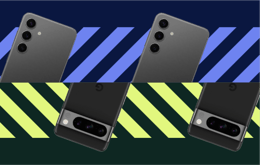
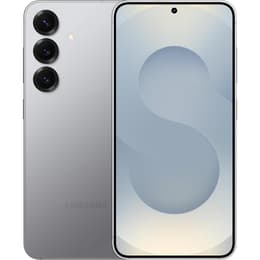
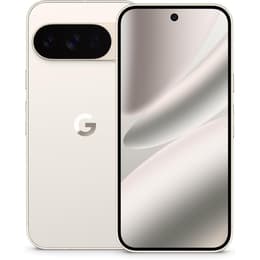
Galaxy S25 • Unlocked vs Google Pixel 10 Pro • Unlocked
- 1-year warranty
- Free standard shipping
- Free 30-day returns
Differences at a glance
The Samsung Galaxy S25 (2025) and the Google Pixel 10 Pro (2025) represent two distinct approaches to the modern flagship smartphone. While both devices run on the Android operating system and target users seeking high-end functionality, they differ notably in their hardware ecosystems, physical footprints, and software interfaces.
Choosing between them involves weighing Samsung's compact ergonomics and performance design against Google's streamlined software experience and versatile camera capabilities.
Available Models
Color
Storage
Scores
Durability
Both smartphones are built to remain functional for several years, though their long-term update schedules and physical build compositions introduce minor distinctions.
- Software support duration: Both manufacturers provide long-term operating system updates and security patches spanning multiple years, ensuring both devices stay secure and current.
- Build durability: The Galaxy S25 utilizes aluminum framing and reinforced glass protection, while the Pixel 10 Pro features a slightly heavier chassis designed to withstand everyday wear and tear.
- Repairability outlook: Each model offers standard industry repair pathways, though securing components through quality-assured refurbished options provides a sustainable choice for extending device lifespans.
Release Year
2025
2025
OS
Android
Android
Foldable
No
No
Performance
System responsiveness and resource management vary between the two devices due to distinct internal hardware configurations and memory capacities.
- Multitasking capacity: The Pixel 10 Pro incorporates higher RAM capacity to manage simultaneous background tasks, whereas the Galaxy S25 relies on optimized resource distribution for smooth daily operation.
- Battery behavior: The Galaxy S25 features a smaller battery capacity tailored for its compact size, while the Pixel 10 Pro houses a larger battery to support its slightly more expansive display and hardware demands.
- Everyday responsiveness: Both devices load demanding applications quickly and handle gaming or heavy navigation without noticeable lag, maintaining reliable fluidity during routine use.
Screen quality
Visual output and panel characteristics differ slightly in size, resolution, and peak luminance capabilities between the two models.
- Display technology: Both models utilize vibrant OLED panels that deliver deep contrast levels, rich colors, and smooth 120Hz refresh rates for fluid scrolling.
- Brightness and outdoor visibility: The Pixel 10 Pro achieves higher peak brightness levels for outdoor legibility in direct sunlight, while the Galaxy S25 maintains clear visibility within a smaller screen footprint.
- Viewing area: The Galaxy S25 offers a more pocket-friendly 6.2-inch display, whereas the Pixel 10 Pro provides a slightly larger 6.3-inch viewing space with an alternative resolution format.
Resolution
1080x2340
1280x2856
Screen type
Dynamic LTPO AMOLED 2X
LTPO OLED
Audiovisual
Optics and media consumption hardware offer contrasting strengths depending on photography habits and audio preferences.
- Camera versatility: The Pixel 10 Pro features high-resolution main, ultra-wide, and dedicated telephoto lenses for detailed zoom shots, while the Galaxy S25 relies on a balanced triple-lens setup optimized for everyday snapshots.
- Video and low-light capture: Both handsets process dark environments effectively using computational tools, though Google leans heavily on software algorithms for image balance.
- Audio output: Built-in stereo speakers on both models deliver clear sound for hands-free calls and media streaming, supported by responsive internal microphones.
Miscellaneous
Physical handling, connectivity standards, and daily utility elements define how each device integrates into a user's routine.
- Dimensions and weight: The Galaxy S25 is notably lighter and thinner, making it well-suited for single-handed use, while the Pixel 10 Pro has a heavier build structure.
- Authentication sensors: Both phones include responsive under-display fingerprint sensors and secure facial recognition options for quick unlocking.
- Connectivity and ports: Each model supports modern 5G networks, Wi-Fi standards, Bluetooth connectivity, and universal USB-C charging ports.
Weight
6 oz
7 oz
Screen size (inches)
6.2
6.3
Network
5G
5G
SIM card
Physical SIM + eSIM
eSIM
Carrier compatibility
Unlocked
Unlocked
Connector
USB-C
USB-C
What the community thinks
User feedback from online communities highlights distinct preferences for each flagship device. Owners of the Galaxy S25 frequently praise its lightweight handling, comfortable pocket size, and reliable processing speed. Conversely, Pixel 10 Pro users often emphasize appreciation for the clean software layout, consistent photography output, and generous memory capacity. Common discussions occasionally note that the Galaxy S25 battery requires more frequent attention during heavy usage days, while the Pixel 10 Pro's larger body feels heavier in smaller hands.
Users prioritizing a compact, easily manageable physical form factor may prefer the Galaxy S25, while users prioritizing expansive multitasking memory and extensive photographic zoom capabilities may lean toward the Pixel 10 Pro. Exploring quality-assured refurbished models presents an eco-friendly alternative for acquiring either device while supporting sustainable technology habits. Ultimately, the right choice depends entirely on individual daily habits and preferences.