
Compare models

Google Pixel 10 Pro • Unlocked vs iPhone 17 Pro Max • Unlocked

  • 1-year warranty
  • Free standard shipping
  • Free 30-day returns
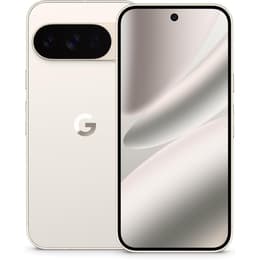
Google Pixel 10 Pro • Unlocked
Starting at

Refurbished price:$578.44

Versus $1,099.00 new

See options
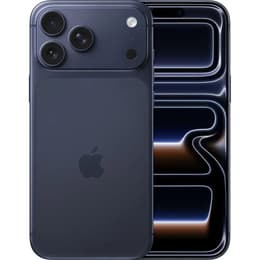
iPhone 17 Pro Max • Unlocked
Starting at

Refurbished price:$1,221.00

Versus $1,199.00 new

See options

Differences at a glance

The Google Pixel 10 Pro (2025) and the iPhone 17 Pro Max (2025) represent high-end flagship options in the smartphone market, catering to users who demand advanced functionality. While both devices deliver robust capabilities, they differ fundamentally in operating systems, physical scale, and ecosystem integration. Choosing between them depends on whether you prefer the customized versatility of Android or the integrated environment of iOS.

Available Models

Color

Storage (GB)

Scores

Durability

Both smartphones provide durable hardware builds and long-term software support structures designed to handle years of daily use.

  • Software Support: The Google Pixel 10 Pro runs Android with extended multi-year update commitments, while the iPhone 17 Pro Max operates on iOS with a similarly long update lifecycle.
  • Build Durability: Both devices feature reinforced glass fronts and backs paired with robust metal frames and high-level water resistance ratings.
  • Repairability: Both manufacturers offer structured repair paths, helping extend the practical lifespan of each device through component replacements.

Release Year

2025

2025

OS

Android

iOS

Foldable

No

No

Performance

System responsiveness and day-to-day operations differ slightly based on hardware optimization and memory allocation across both platforms.

  • Memory and Multitasking: The Google Pixel 10 Pro features generous random access memory capacity to handle background tasks seamlessly, while the iPhone 17 Pro Max relies on efficient custom hardware integration to manage demanding applications.
  • Battery Behavior: Both units house large internal batteries capable of lasting through a full day of mixed use, supported by fast wired charging and magnetic wireless accessory ecosystems.
  • Storage Configurations: Multiple storage tiers are available on both models to accommodate large media libraries, applications, and offline files.

Screen quality

Viewing experiences vary primarily due to physical display size differences and panel tuning between the two manufacturers.

  • Display Technology: Both models utilize advanced OLED panels with adaptive refresh rates reaching up to 120Hz for smooth scrolling and responsive touch interaction.
  • Brightness Levels: High peak brightness capabilities ensure that text and media remain clear and legible even under direct outdoor sunlight.
  • Form Factor: The Google Pixel 10 Pro offers a more compact screen size suited for single-handed use, whereas the iPhone 17 Pro Max provides an expansive display canvas ideal for immersive media viewing.

Resolution

1280x2856

2868x1320

Screen type

LTPO OLED

Super Retina XDR

Audiovisual

Imaging systems on both devices excel at capturing detailed photos and smooth videos across various lighting conditions.

  • Camera Array: Both phones incorporate a versatile triple-lens setup featuring main wide, ultra-wide, and optical zoom telephoto lenses.
  • Video Recording: The iPhone 17 Pro Max offers extensive professional video features and high-frame-rate recording modes, while the Google Pixel 10 Pro utilizes computational photography software tools to enhance clarity and balance difficult lighting.
  • Audio and Media: Built-in stereo speakers deliver clear sound output for calls and media consumption without requiring external accessories.

Main camera

Pro triple rear camera system

48 megapixels

Front camera

42 MP Dual PD selfie camera with autofocus

18 megapixels

Miscellaneous

Physical dimensions and connectivity standards shape how each device fits into everyday travel and work routines.

  • Connectivity: Both models support modern 5G networks, fast Wi-Fi standards, and Bluetooth for reliable wireless accessory connections.
  • Physical Handling: The Google Pixel 10 Pro has a lighter and smaller footprint, whereas the iPhone 17 Pro Max is heavier and wider to accommodate its larger screen.
  • Authentication: Each device provides secure biometric unlocking through facial recognition or integrated fingerprint sensors.

Weight

7 oz

185 oz

Screen size (inches)

6.3

6.9

Network

5G

5G

SIM card

eSIM

eSIM

Carrier compatibility

Unlocked

Unlocked

Connector

USB-C

USB-C

What the community thinks

User discussions and community feedback indicate that satisfaction with these devices often comes down to personal preference for software ecosystems and physical dimensions. Users prioritizing a more compact physical footprint and customizable software interface frequently lean toward the Google Pixel 10 Pro. Conversely, users seeking a larger display area and specific video recording tools often prefer the iPhone 17 Pro Max. Evaluating how each device aligns with your daily tasks remains the best approach for an informed decision. Exploring a quality-assured refurbished option through Back Market can also provide a sustainable choice when acquiring either of these flagship smartphones.


Our recent comparisons