
Compare models
Galaxy S25 • Unlocked vs Motorola Moto G Stylus 5G (2024) • Unlocked
- 1-year warranty
- Free standard shipping
- Free 30-day returns
Differences at a glance
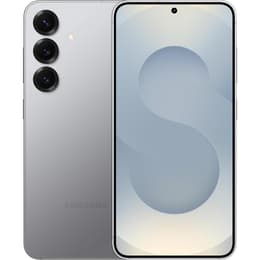
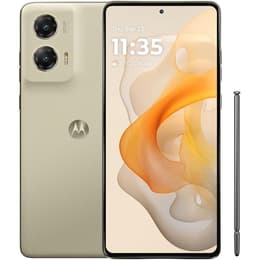
The Samsung Galaxy S25 (2025) and the Motorola Moto G Stylus 5G (2024) are modern Android smartphones tailored to very different daily use cases. While the Galaxy S25 functions as a compact, high-end flagship built for speed and pocketability, the Motorola Moto G Stylus 5G emphasizes productivity with its integrated pen and large multimedia display.
Choosing between these two models involves balancing premium hardware capabilities against functional utility features like expandable storage and stylus input.
Available Models
Color
Storage (GB)
Scores
Durability
When examining hardware longevity and software support, both devices approach lifecycle maintenance differently based on their respective tier positioning.
- Software Support: The Samsung Galaxy S25 benefits from an extended multi-year software update commitment, ensuring long-term security updates, whereas the Motorola Moto G Stylus 5G provides a more modest major operating system update window.
- Build and Repairability: The Galaxy S25 utilizes aluminum and reinforced glass construction with an emphasis on water and dust ingress protection, while the Motorola model features a durable composite build paired with a water-repellent design.
- Expected Lifespan: Users can anticipate prolonged software relevance from the Samsung flagship, while the Motorola device relies on robust physical utility and expandable options to sustain its everyday usefulness over time.
Release Year
2025
2024
OS
Android
Android
Foldable
No
No
Performance
System responsiveness and everyday processing capabilities diverge significantly, reflecting the distinct hardware tiers of each smartphone.
- Multitasking and Speed: The Galaxy S25 handles demanding mobile games and heavy multitasking seamlessly with its generous RAM allocation and current-generation processor, while the Motorola Moto G Stylus 5G comfortably manages routine messaging, web browsing, and casual apps.
- Storage Flexibility: The Motorola model features built-in expandable storage via a microSD card slot, whereas the Samsung device relies strictly on its internal high-speed storage configurations without expansion slots.
- Battery Behavior: The Motorola device incorporates a larger battery capacity designed to comfortably exceed a full day of mixed use, while the more compact Samsung device trades raw battery size for a streamlined footprint and efficient power management.
Screen quality
Display characteristics vary significantly in physical size, panel technology, and viewing immersion.
- Panel Technology: Both models utilize vibrant OLED display technology yielding deep contrast levels and rich colors, though the Samsung device offers a slightly more compact form factor suited for one-handed navigation.
- Brightness and Clarity: The Galaxy S25 delivers exceptionally high peak outdoor brightness levels for clear visibility under direct sunlight, matching the robust outdoor legibility of the Motorola's large panel.
- Refresh Rate and Size: The Motorola Moto G Stylus 5G provides a sweeping screen real estate paired with a smooth 120Hz refresh rate, making it well-suited for reading documents and sketching, while the Galaxy S25 prioritizes pocket-friendly dimensions and sharp pixel density.
Resolution
1080x2340
1080 x 2400
Screen type
Dynamic LTPO AMOLED 2X
P-OLED
Audiovisual
Optics and media playback hardware differ to match the distinct design philosophy of each product family.
- Camera Systems: The Galaxy S25 features a versatile multi-lens rear array including a dedicated telephoto option for optical zoom, whereas the Motorola relies on a high-resolution primary sensor and an ultra-wide lens that doubles for macro photography.
- Video and Low Light: The Samsung flagship handles low-light photography and stable high-resolution video recording efficiently, while the Motorola device captures clear everyday snapshots and includes a high-resolution front-facing camera for video calls.
- Audio Output: Both devices deliver clear stereo sound for media consumption, though the Motorola model retains the traditional 3.5mm headphone jack alongside its wireless audio capabilities.
Miscellaneous
Practical physical details and connectivity features shape the day-to-day handling experience of each smartphone.
- Physical Design: The Galaxy S25 is lightweight and narrow, making it easy to stow in pockets, whereas the Motorola Moto G Stylus 5G houses a physical stylus directly within its frame for quick note-taking and photo editing.
- Connectivity: Both options support modern 5G cellular networks, Wi-Fi standards, and Bluetooth, ensuring reliable wireless pairing with accessories.
- Authentication: Each device features biometric security integration via responsive in-display fingerprint sensors and facial recognition capabilities for fast unlocking.
Weight
6 oz
1 oz
Screen size (inches)
6.2
6.7
Network
5G
5G
SIM card
Physical SIM + eSIM
Physical SIM + eSIM
Carrier compatibility
Unlocked
Unlocked
Connector
USB-C
USB-C + Jack 3.5mm
What the community thinks
Community discussions and user feedback indicate that buyers appreciate the Galaxy S25 for its refined size, robust performance headroom, and long-term software outlook. At the same time, users frequently praise the Motorola Moto G Stylus 5G for its integrated pen utility, expandable storage capacity, and dependable daily battery endurance, though some note its larger physical footprint requires two-handed use.
Users prioritizing compact design, advanced camera versatility, and extended software updates will find the Galaxy S25 well-suited to their needs. Conversely, users who value note-taking capabilities, expandable storage, and a larger screen for media will lean toward the Motorola Moto G Stylus 5G. For buyers exploring sustainable choices, a quality-assured refurbished option provides an eco-friendly alternative for acquiring either device without compromising on functional reliability.