
Galaxy S9 • Unlocked vs iPhone 12 Pro Max • Unlocked

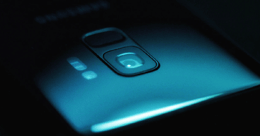
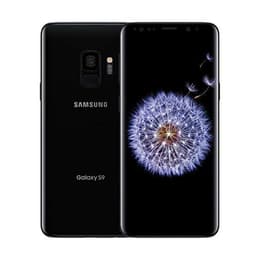
Galaxy S9 • Unlocked
Starting at

Refurbished price:$106.00

Versus $399.00 new

See options
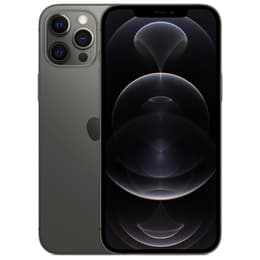
iPhone 12 Pro Max • Unlocked
Starting at

Refurbished price:$314.00

Versus $899.00 new

See options

Ratings

The Samsung Galaxy S9 (2018) and the iPhone 12 Pro Max (2020) represent different generations and operating systems within the smartphone landscape. While the Galaxy S9 runs on Android and was a flagship of its time, the iPhone 12 Pro Max operates on iOS and offers a more recent set of hardware and software capabilities. The primary distinctions between these two devices lie in their release timelines, the longevity of their software support, and their overall performance and camera systems.

Scores

Durability

The practical lifespan of a smartphone is heavily influenced by its release date and the manufacturer's commitment to software and security updates.

  • Release Timeline: The Samsung Galaxy S9 was released in March 2018, making it a significantly older device compared to the iPhone 12 Pro Max, which launched in November 2020. This age difference directly impacts their expected remaining lifespan.
  • Software Support: The Galaxy S9 originally shipped with Android 8.0 and received major OS updates up to Android 10. Official security updates for the S9 series concluded around April 2022, meaning it no longer receives the latest security patches from Samsung. In contrast, the iPhone 12 Pro Max, launched with iOS 14, continues to receive regular iOS updates, including the latest versions, ensuring a longer period of software support and access to new features and security enhancements.
  • Durability Features: The Galaxy S9 features Gorilla Glass 5 on both its front and back, along with an AL 7003 high-strength aluminum frame. It also carries an IP68 rating for dust and water resistance. The iPhone 12 Pro Max introduced a Ceramic Shield front cover, which Apple stated offers improved drop performance, combined with a stainless steel frame and an IP68 rating for water and dust resistance. Users report the Ceramic Shield provides enhanced shatter resistance, though micro-scratches can still occur over time.

Release Year

2018

2020

Last OS Compatibility

No

Yes

OS

Android

iOS

Foldable

No

No

Performance

Performance is a key area where the two devices show a notable difference, primarily due to the generational gap in their internal components.

  • Processing Power: The iPhone 12 Pro Max is equipped with a more advanced processor, which allows it to handle demanding applications, complex multitasking, and graphics-intensive games with greater fluidity and speed. This results in quicker app loading times and a more responsive overall user experience. The Galaxy S9, while capable for its time, offers performance suitable for everyday tasks and moderate usage.
  • Multitasking and Responsiveness: The iPhone 12 Pro Max typically includes more RAM, contributing to smoother transitions between applications and the ability to keep more apps active in the background without performance degradation. The Galaxy S9, with less RAM, may exhibit more frequent app reloads when switching between multiple demanding applications.
  • Storage Options: Both devices offer various internal storage capacities. The iPhone 12 Pro Max comes with 128GB, 256GB, or 512GB of internal storage, which is not expandable. The Galaxy S9 was available with 64GB, 128GB, or 256GB of internal storage, with the added flexibility of expanding storage via a microSD card.

Memory (GB)

4 GB

6 GB

Screen quality

Both smartphones feature high-quality displays, but they differ in size, resolution, and specific display technologies.

  • Display Technology and Size: The Samsung Galaxy S9 features a 5.8-inch Super AMOLED display with curved edges, known for its deep blacks and vibrant colors. The iPhone 12 Pro Max boasts a larger 6.7-inch Super Retina XDR OLED display, also offering excellent contrast and color reproduction. The larger screen on the iPhone provides a more expansive viewing area for media consumption and productivity.
  • Resolution and Brightness: The Galaxy S9 has a Quad HD+ resolution of 1440x2960 pixels, resulting in a pixel density of 570 pixels per inch (ppi). Its display can reach peak brightness levels of up to 1130 nits, ensuring good visibility in various lighting conditions. The iPhone 12 Pro Max offers a resolution of 1284x2778 pixels at 458 ppi. It achieves a typical maximum brightness of 800 nits, with HDR content peaking at 1200 nits, providing clear visuals even in bright outdoor environments.
  • Refresh Rate: The iPhone 12 Pro Max features a standard 60Hz refresh rate. The Galaxy S9 also operates at a 60Hz refresh rate.

Resolution

1440 x 2960

1284 x 2778

Screen type

Super AMOLED

Super Retina XDR OLED

Audiovisual

The camera systems on both devices were considered advanced for their respective release periods, but they offer different capabilities and features.

  • Rear Camera System: The Samsung Galaxy S9 is equipped with a single 12-megapixel rear camera that features a unique variable aperture, allowing it to switch between f/1.5 and f/2.4 to adapt to different lighting conditions. This design was particularly noted for its low-light performance. The iPhone 12 Pro Max features a more versatile triple 12-megapixel camera system, including a wide, ultra-wide, and telephoto lens. This setup provides greater flexibility for different types of shots, including improved optical zoom capabilities and enhanced low-light performance across its lenses, supported by a LiDAR scanner for faster autofocus and Night mode portraits.
  • Video Recording and Features: Both phones are capable of recording 4K video. The Galaxy S9 can record 4K at 60 frames per second and offers super slow-motion video at 960 frames per second. The iPhone 12 Pro Max also supports 4K video recording and introduced features like Dolby Vision HDR video recording, offering higher dynamic range in videos.
  • Front Camera: The Galaxy S9 has an 8-megapixel front-facing camera. The iPhone 12 Pro Max features a 12-megapixel front camera, capable of detailed selfies and supporting Face ID for secure authentication.

Main camera

12 megapixels

12 megapixels

Front camera

8 megapixels

12 megapixels

Miscellaneous

Beyond the core specifications, several other practical elements contribute to the overall user experience of these smartphones.

  • Connectivity and Ports: The Galaxy S9 supports Wi-Fi 802.11 a/b/g/n/ac and Bluetooth, and includes a USB-C port for charging and data transfer, alongside a 3.5mm headphone jack. The iPhone 12 Pro Max offers more advanced connectivity with 5G support, Wi-Fi 6 (802.11ax), and Bluetooth 5.0. It uses Apple's proprietary Lightning port and does not include a headphone jack.
  • Biometric Security: The Galaxy S9 provides multiple biometric options, including a rear-mounted fingerprint sensor, face unlock, and an iris scanner. The iPhone 12 Pro Max relies solely on Face ID, Apple's facial recognition system, for secure unlocking and authentication.
  • Battery Life: The Galaxy S9 has a 3000mAh battery, which typically provides a full day of moderate use, though heavy users might find themselves needing to recharge before the day ends. The iPhone 12 Pro Max, with its 3687mAh battery and efficient processor, is known for its excellent battery longevity, often lasting more than a full day even with intensive usage. It also supports faster wired charging and MagSafe wireless charging.

Weight

6 oz

7 oz

Screen size (inches)

5.8

6.7

Network

LTE

5G

SIM card

Physical SIM

Physical SIM + eSIM

Carrier compatibility

Unlocked

Unlocked

Connector

USB-C + Jack 3.5mm

Lightning

The Samsung Galaxy S9 and iPhone 12 Pro Max cater to different user preferences and priorities, largely due to their distinct ecosystems and the significant time difference in their release. Users often praise the Galaxy S9 for its once-innovative variable aperture camera, vibrant Super AMOLED display, and the inclusion of a headphone jack and expandable storage. However, common criticisms revolve around its battery life, which some heavy users found insufficient for a full day, and its now-ended software support, which impacts long-term security and access to new features.

The iPhone 12 Pro Max is frequently lauded for its exceptional battery life, robust Ceramic Shield durability, and its powerful, versatile triple-camera system, which excels in various photographic scenarios and video recording. Its large OLED display and long-term software support are also significant advantages. Some users, however, might find its larger size and weight less comfortable for one-handed use, and the absence of a headphone jack or expandable storage can be a consideration for those accustomed to these features.

Users prioritizing a compact Android experience with expandable storage and a traditional headphone jack, and who are comfortable with an older device no longer receiving software updates, might find the Galaxy S9 suitable for basic daily tasks. Conversely, users seeking a larger display, superior battery life, a more advanced camera system, and extended software support within the iOS ecosystem will likely find the iPhone 12 Pro Max better aligned with their needs. For those looking to make an informed and sustainable choice, both models are available as quality-assured refurbished options, offering a way to extend the life cycle of these devices.


See all articles

Our recent comparisons