
iPhones
Compare models
Differences at a glance
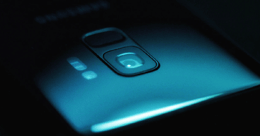
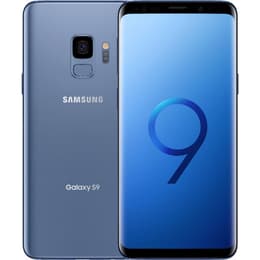
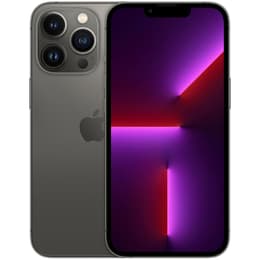
The Samsung Galaxy S9, released in March 2018, and the iPhone 13 Pro, launched in September 2021, represent different generations of flagship smartphones. While both devices offer a premium mobile experience, the three-year gap between their releases introduces notable differences in their capabilities and features. The Galaxy S9 operates on the Android platform, while the iPhone 13 Pro runs on Apple's iOS, providing distinct user interfaces and ecosystem experiences.
Color
Storage
The longevity of a smartphone is influenced by its physical resilience and ongoing software support. These two devices, separated by several years, offer different expectations in this regard.
Release Year
Last OS Compatibility
OS
Foldable
The performance of a smartphone dictates its responsiveness and ability to handle various tasks, from everyday browsing to demanding applications. The difference in release years between these two models results in a significant gap in processing power and overall system fluidity.
The display is a primary interface for smartphone interaction, and both devices feature high-quality screens, though with distinct characteristics and advancements reflecting their respective release timelines.
Resolution
Screen type
Camera capabilities have evolved significantly between the release of these two smartphones, with the iPhone 13 Pro introducing a more versatile and advanced imaging system.
Main camera
Front camera
Beyond core specifications, several practical elements contribute to the overall user experience and differentiate these two devices.
Weight
Screen size (inches)
Network
SIM card
Carrier compatibility
The Samsung Galaxy S9 and iPhone 13 Pro cater to different user needs and expectations, largely due to their generational gap. Users often praise the Galaxy S9 for its inclusion of a headphone jack and expandable storage, features that have become less common in newer flagship devices. Its Super AMOLED display was also highly regarded at its release for its vibrant colors. However, common criticisms revolve around its battery life for heavy users and the eventual cessation of major software updates.
The iPhone 13 Pro, conversely, is frequently lauded for its powerful performance, exceptional camera system with advanced features like Cinematic Mode, and the fluid experience provided by its ProMotion display. Users appreciate its robust build quality and the extended software support from Apple. Some common concerns include the absence of a headphone jack and the reliance on the Lightning port rather than a more universal USB-C.
Users prioritizing a device with ongoing software updates, a highly capable camera for both photos and videos, and top-tier performance for demanding applications will find the iPhone 13 Pro well-suited to their needs. Its ProMotion display also offers a noticeably smoother visual experience. For those who value traditional features like a headphone jack and expandable storage, and whose usage is primarily for everyday tasks without requiring the latest processing power, the Galaxy S9 could still be a consideration. When evaluating either device, exploring quality-assured refurbished options can provide a sustainable choice for consumers.