

iPads
Compare models
Differences at a glance
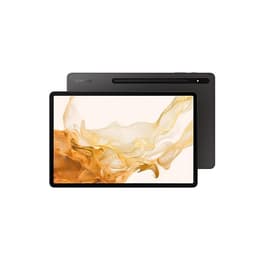
The Samsung Galaxy Tab S8 Plus, released in 2022, and the Apple iPad (A16 Series), introduced in 2025, represent distinct approaches to the tablet experience. The Galaxy Tab S8 Plus operates on the Android ecosystem, offering a large Super AMOLED display and a focus on productivity with its included S Pen. In contrast, the iPad (A16 Series) runs on iPadOS, emphasizing a streamlined user experience and robust performance powered by Apple's A16 Bionic chip. These devices cater to different user preferences, with key differentiators lying in their operating systems, display technologies, and accessory integration.
Color
Storage
When considering the longevity of these tablets, their release timelines and software support play a significant role. The Galaxy Tab S8 Plus, launched in 2022, typically receives several years of Android updates, extending its practical software lifespan. The iPad (A16 Series), being a 2025 release, benefits from a more recent launch, ensuring a longer period of iPadOS updates and feature compatibility.
Release Year
Last OS Compatibility
OS
Performance is a core aspect where these two tablets offer different experiences, driven by their respective processors and operating system optimizations. The Galaxy Tab S8 Plus is equipped with a powerful processor from its release year, designed to handle demanding Android applications and multitasking. The iPad (A16 Series), featuring Apple's A16 Bionic chip, delivers strong performance for a wide range of tasks within the iPadOS environment.
The visual experience on these tablets is a significant point of distinction, primarily due to their underlying display technologies. The Galaxy Tab S8 Plus features a large Super AMOLED display, known for its vibrant colors and deep blacks. The iPad (A16 Series) comes with a Liquid Retina display, which provides accurate colors and good brightness levels.
Resolution
Screen type
Pixel density
Both tablets include camera systems designed for a range of uses, from video calls to capturing photos and videos. While tablets are not typically primary photography devices, their cameras are important for utility and communication.
Beyond core specifications, several practical elements contribute to the overall user experience of these tablets, including connectivity, port types, and unique features.
Weight
Screen size (inches)
Network
Carrier compatibility
User feedback for the Galaxy Tab S8 Plus often highlights its impressive Super AMOLED display and the versatility provided by the included S Pen and DeX mode. Many users appreciate its capability for media consumption and productivity tasks, noting its strong performance for an Android tablet. Criticisms sometimes point to the Android tablet app ecosystem not always being as optimized as iPadOS for certain applications.
For the iPad (A16 Series), common praise centers on its robust performance, the intuitive iPadOS experience, and its seamless integration within the Apple ecosystem. Users frequently commend its reliability and long-term software support. Some common concerns include the 60Hz refresh rate of the display and the fact that accessories like the Apple Pencil are separate purchases.
Users prioritizing a large, vibrant AMOLED display and an included stylus for creative and productivity tasks within the Android ecosystem may find the Galaxy Tab S8 Plus well-suited to their needs. Its DeX mode also offers a desktop-like experience for enhanced multitasking. Conversely, users who value raw processing power, a longer software support window, and a highly optimized app ecosystem will likely lean towards the iPad (A16 Series). Its performance makes it a strong contender for demanding applications and general-purpose use within the Apple environment.
For those seeking a quality-assured refurbished option, both the Galaxy Tab S8 Plus and the iPad (A16 Series) can be found, offering a sustainable choice for acquiring these capable devices.