
iPads
Compare models
Differences at a glance
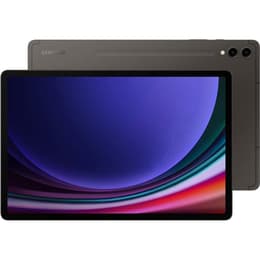
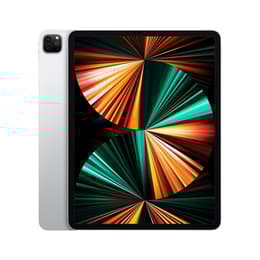
The Samsung Galaxy Tab S9+ (released in 2023) and the Apple iPad Pro M1 Series (released in 2021) represent two distinct approaches to high-performance tablets. While both offer expansive displays and robust capabilities for productivity and entertainment, they differ significantly in their operating systems and core hardware philosophies. The Galaxy Tab S9+ runs on Android with Samsung's One UI, providing a versatile and open ecosystem, whereas the iPad Pro M1 operates on Apple's iPadOS, known for its optimized app ecosystem and tight integration with other Apple devices.
Color
Storage
When considering the long-term usability of these devices, their respective release timelines and software support policies are key factors. The Galaxy Tab S9+, being a 2023 release, benefits from a more recent launch, while the iPad Pro M1 Series from 2021 has already received several years of updates.
Release Year
Last OS Compatibility
OS
Both tablets are engineered for demanding tasks, offering powerful processing capabilities that translate into smooth user experiences across various applications. Their performance differences often stem from their underlying architectures and operating system optimizations.
The visual experience on both tablets is a highlight, with each device featuring advanced display technologies tailored for vibrant and detailed imagery. The choice between them often comes down to specific preferences in display characteristics and aspect ratio.
Resolution
Screen type
Pixel density
While tablets are not typically primary photography devices, both the Galaxy Tab S9+ and the iPad Pro M1 Series offer capable camera systems for video calls, document scanning, and casual photography, with some notable differences in their configurations and features.
Beyond their core features, both tablets offer a range of practical elements that contribute to their overall user experience, from connectivity options to physical design and accessory support.
Weight
Screen size (inches)
Network
Carrier compatibility
User sentiment for the Samsung Galaxy Tab S9+ often highlights its vibrant AMOLED display, the inclusion of the S Pen, and the flexibility of the Android operating system with Samsung's DeX mode for a desktop-like experience. [9, 11, 27] Common praise points include its multimedia capabilities and the ability to expand storage via microSD. Some users, however, may find the Android tablet app ecosystem less optimized for larger screens compared to iPadOS. [11]
For the iPad Pro M1 Series, users frequently commend its exceptional performance, the high-quality Liquid Retina XDR display on the 12.9-inch model, and the robust app ecosystem of iPadOS. [6, 12, 17, 29, 31] The M1 chip's power is often cited as a significant advantage for demanding creative and professional tasks. [12, 17, 29] Criticisms sometimes revolve around iPadOS's limitations for certain desktop-class workflows, despite the powerful hardware. [6, 12]
Users prioritizing a vibrant AMOLED display, expandable storage, and the included stylus for note-taking and drawing may find the Galaxy Tab S9+ well-suited to their needs. Its IP68 rating also offers an advantage for those seeking greater durability. Conversely, users who value a highly optimized app ecosystem, desktop-class performance for creative work, and advanced display technology for HDR content may lean towards the iPad Pro M1 Series. Its Thunderbolt port also provides extensive connectivity options for professional setups. Both devices are available as quality-assured refurbished options, offering an eco-friendly alternative for consumers.