Compare models
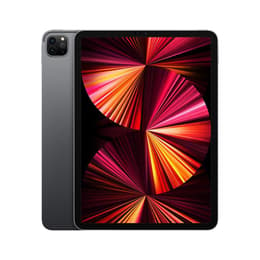
iPad 7 (2019, A10 series) vs iPad Pro (2021, M1 series)
- 1-year warranty
- Free standard shipping
- Free 30-day returns
Differences at a glance
The iPad 2019, also known as the 7th generation iPad, was released in September 2019, offering a versatile tablet experience for everyday use. In contrast, the iPad Pro 2021, launched in May 2021, represents a more powerful and feature-rich device designed for demanding tasks. These two tablets operate on Apple's iPadOS, but they cater to different user needs, primarily distinguished by their processing capabilities, display technology, and advanced features.
Available Models
Color
Storage (GB)
Scores
Durability
The longevity of a tablet is influenced by its release timeline and the duration of software support it receives.
- Release Timeline: The iPad 2019 was released in September 2019, while the iPad Pro 2021 launched in May 2021. This two-year difference means the iPad Pro 2021 will likely receive software updates for a longer period, extending its practical lifespan.
- Software Support: The iPad 2019, powered by an older generation chip, is expected to support iPadOS versions up to iPadOS 18. The iPad Pro 2021, featuring a newer, more powerful chip, benefits from a more recent architecture, suggesting it will receive operating system updates for several more years beyond the 2019 model, potentially up to iPadOS 19 or 20. This extended support ensures access to the latest features and security enhancements.
- Repairability: Both models are designed with Apple's typical construction, which can make user repairs challenging. However, the availability of parts and professional repair services for both devices remains consistent.
Release Year
2019
2021
Last OS Compatibility
Yes
Yes
OS
iPadOS
iPadOS
Maximum Operating System supported
iPadOS 18
iPadOS 18
Performance
The performance capabilities of these two iPads differ significantly, impacting their suitability for various tasks.
- Processing Power: The iPad 2019 handles everyday tasks like web browsing, email, and media consumption smoothly, and is suitable for light multitasking and casual gaming. The iPad Pro 2021 features a significantly more powerful processor, managing intensive applications, professional creative workflows, and complex multitasking with greater efficiency.
- Multitasking and Responsiveness: The iPad 2019 includes 3GB of RAM, supporting reasonable multitasking, though performance may be affected with many apps open. The iPad Pro 2021 offers 8GB or 16GB of RAM, depending on storage, providing a much more fluid and responsive experience for demanding applications and large files.
- Storage Options: The iPad 2019 is available with up to 128GB of internal storage. The iPad Pro 2021 offers storage options up to 2TB, beneficial for users requiring extensive space for large projects or high-resolution media.
Processor
Apple A10 Fusion
Apple M1
Screen quality
The visual experience on these tablets presents a notable contrast, particularly in display technology and features.
- Display Technology and Clarity: The iPad 2019 features a 10.2-inch Retina IPS LCD display, offering clear visuals suitable for general use and media consumption. The iPad Pro 2021, depending on the model, features either an 11-inch Liquid Retina IPS LCD or a 12.9-inch Liquid Retina XDR mini-LED display. The 12.9-inch model's mini-LED technology provides superior contrast, deeper blacks, and more vibrant colors, especially for HDR content.
- Brightness and Refresh Rate: The iPad 2019 offers a standard brightness level, adequate for indoor use. The iPad Pro 2021 models provide higher brightness, making them more comfortable for outdoor viewing. Additionally, the iPad Pro 2021 features ProMotion technology, which enables an adaptive refresh rate up to 120Hz, resulting in smoother scrolling and more fluid animations compared to the iPad 2019's standard refresh rate.
- Viewing Experience: Both displays offer good clarity, but the iPad Pro 2021's advanced display technologies, particularly on the 12.9-inch model, enhance the viewing experience for professional creative work and high-quality media consumption.
Resolution
2160 x 1620
2388 x 1668
True Tone
No
Yes
Pro-Motion
No
Yes
Screen type
Retina display
Liquid Retina display
Pixel density
264ppp
264ppp
Brightness
500 nits brightness
600 nits brightness max
Sound quality
Speakers
Stereo speakers
Four speaker audio
Audiovisual
The camera systems on these two iPads are designed for different purposes, reflecting their overall positioning.
- Rear Camera Capabilities: The iPad 2019 includes an 8MP rear camera, suitable for basic photography, document scanning, and casual video recording. The iPad Pro 2021 features a more advanced dual-camera system with a 12MP wide lens and a 10MP ultrawide lens, alongside a LiDAR Scanner. This setup allows for higher-quality photos, improved low-light performance, and enhanced augmented reality (AR) experiences.
- Front Camera and Video Calls: The iPad 2019 has a 1.2MP front camera, adequate for standard video calls. The iPad Pro 2021 significantly upgrades this with a 12MP ultrawide front camera that supports Center Stage, a feature that automatically keeps the user in frame during video calls, even as they move around. This makes the iPad Pro 2021 better suited for virtual meetings and content creation.
- Video Recording: The iPad 2019 supports 1080p video recording at 30 frames per second. The iPad Pro 2021 offers 4K video recording at various frame rates, providing more detail and flexibility for video content creators.
Miscellaneous
Beyond core performance and display, several other features differentiate these two tablets.
- Connectivity: The iPad 2019 supports Wi-Fi 5 and Bluetooth 4.2. The iPad Pro 2021 features newer Wi-Fi 6 and Bluetooth 5.0, offering faster, more reliable wireless connections. Optional 5G cellular connectivity on the iPad Pro 2021 provides faster mobile data speeds where available.
- Ports and Accessories: The iPad 2019 uses a Lightning port and supports the 1st generation Apple Pencil. The iPad Pro 2021 features a versatile Thunderbolt/USB 4 (USB-C) port for faster data transfer and wider accessory compatibility, including high-resolution displays. It also supports the 2nd generation Apple Pencil, which attaches magnetically and charges wirelessly.
- Biometric Security and Design: The iPad 2019 uses Touch ID (fingerprint sensor), while the iPad Pro 2021 utilizes Face ID (facial recognition). The iPad Pro 2021 also has a more modern design with thinner bezels.
Weight
17 oz
16 oz
Width
6.8 in
7 in
Height
9.8 in
9.7 in
Depth
0.2 in
0.2 in
Screen size (inches)
10.2
11
Network
Wi-Fi
Wi-Fi + 5G
Carrier compatibility
Without SIM Port
Unlocked
Wi-Fi technology
Wi-Fi 6 802.11a/b/g/n/ac
Wi-Fi 6 802.11ax
Bluetooth Version
Bluetooth 4.2
Bluetooth 5.0
Face ID
No
Yes
Touch ID
Yes
No
Connector
Lightning connector
USB Type-C
What the community thinks
User feedback often highlights the iPad 2019 as a reliable and accessible tablet, praised for its solid performance for everyday tasks and enduring battery life. Criticisms sometimes point to its aging processor and display technology compared to newer models. The iPad Pro 2021 receives widespread acclaim for its exceptional performance, advanced display, and versatile camera system, making it a favorite among creative professionals and power users. Some users note that its full potential might not be utilized by all applications due to software limitations at its release.
Users prioritizing a straightforward tablet for web browsing, media consumption, and light productivity will find the iPad 2019 well-suited. It offers a dependable experience for students and casual users. Those requiring top-tier performance for demanding applications, advanced creative work, or extensive multitasking, along with a superior visual experience and enhanced camera, will lean toward the iPad Pro 2021. This model is ideal for professionals and artists. Both devices offer a quality-assured refurbished option, providing an eco-friendly alternative for consumers.