
Galaxy Z Flip4 • Unlocked vs iPhone 16 • Unlocked

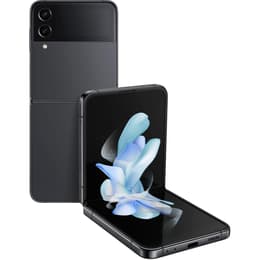
Galaxy Z Flip4 • Unlocked
Starting at

Refurbished price:$206.00

Versus $899.99 new

See options
iPhone 16 • Unlocked
Starting at

Refurbished price:$516.00

Versus $729.00 new

See options

Ratings

The Samsung Galaxy Z Flip4, released in August 2022, and the Apple iPhone 16, launched in September 2024, represent distinct approaches to smartphone design and user experience. The most significant difference lies in their form factor: the Z Flip4 offers a unique foldable clamshell design, while the iPhone 16 maintains a traditional, rigid slab construction. These fundamental design choices lead to varied practical implications across durability, performance, and overall usability, catering to different user preferences. The Z Flip4 operates on the Android ecosystem, offering extensive customization, whereas the iPhone 16 runs on Apple's iOS, known for its integrated services and streamlined interface.

Scores

Durability

When considering the long-term usability of a smartphone, software support and physical resilience are key factors. The Galaxy Z Flip4 and iPhone 16 offer different timelines and characteristics in these areas.

  • Software Longevity: The Galaxy Z Flip4, launched with Android 12L, received its final major OS update to Android 16 with One UI 8 in October 2025, with Samsung typically providing 4-5 years of updates, meaning support will likely conclude around 2027. [1] In contrast, the iPhone 16, released with iOS 18, is expected to receive software updates for approximately 5-6 years from its launch, potentially extending support until around 2031. [9, 29, 30]
  • Physical Durability: The iPhone 16 features an IP68 rating, indicating robust dust and water resistance, designed to withstand immersion in water up to 6 meters for 30 minutes. [9] The Galaxy Z Flip4 boasts an IPX8 water resistance rating, allowing for similar water immersion, but it lacks official dust resistance due to its folding mechanism. [21, 23] Users of the Z Flip4 often note the need for more careful handling compared to traditional slab phones, with some reporting potential screen issues or increased crease visibility over extended use. [20, 22, 27]
  • Repairability and Practical Lifespan: While both devices are designed for longevity, the Z Flip4's folding screen introduces a more complex repair scenario compared to the iPhone 16's solid display. User experiences suggest that the Z Flip4's screen protector might require replacement annually. [33] The iPhone 16, with its conventional design, generally offers a more predictable physical lifespan, often perceived as more robust for everyday wear and tear. [27]

Release Year

2022

2024

Last OS Compatibility

Yes

Yes

Foldable

Yes

No

Performance

The performance of a smartphone is crucial for handling daily tasks, from casual browsing to demanding applications. Both the Galaxy Z Flip4 and the iPhone 16 deliver capable experiences, though with differences stemming from their respective hardware and software optimizations.

  • Processing Power: The iPhone 16 is equipped with a newer generation processor, which provides a responsive experience for navigating the operating system, launching applications, and engaging in graphically intensive games. [9, 10, 17] The Galaxy Z Flip4, powered by a capable processor from its release year, handles multitasking and most applications smoothly, though it may show signs of aging with very demanding tasks after several years of use. [1, 22]
  • Multitasking and Responsiveness: Both devices offer 8 GB of RAM, contributing to efficient multitasking and smooth transitions between apps. [1, 5, 6, 7, 9, 10] The iPhone 16's newer processor and optimized software contribute to a consistently fluid user experience, even with multiple applications running simultaneously. The Z Flip4 also maintains good responsiveness, with Samsung's One UI providing features like pop-up windows and edge panels to enhance multitasking. [20]
  • Storage Options: Both models are available with various internal storage configurations, typically starting from 128 GB and extending to 512 GB, providing ample space for apps, photos, and media without expandable storage options. [1, 5, 6, 7, 9, 10]

Memory (GB)

8 GB

8 GB

Screen quality

The display is a primary interface for any smartphone, and the Galaxy Z Flip4 and iPhone 16 offer distinct visual experiences shaped by their design and technology.

  • Display Technology and Clarity: The iPhone 16 features a 6.1-inch Super Retina XDR OLED display, delivering deep blacks, vibrant colors, and sharp text with a resolution of 2556 x 1179 pixels. [9, 18] The Galaxy Z Flip4 boasts a 6.7-inch foldable Dynamic AMOLED 2X main display with a resolution of 2640 x 1080 pixels, also offering rich colors and contrast. [1, 5, 6, 7, 8] Additionally, the Z Flip4 includes a 1.9-inch Super AMOLED cover screen for quick notifications and interactions when folded. [1, 5]
  • Refresh Rate and Smoothness: The Z Flip4's main display features a 120Hz variable refresh rate, which contributes to smoother scrolling and more fluid animations. [1, 5] The base iPhone 16 model maintains a standard 60Hz refresh rate, providing a consistent visual experience, though not as fluid as higher refresh rate displays. [10]
  • Brightness and Viewing Experience: Both devices offer displays capable of high brightness levels, ensuring good visibility in various lighting conditions, including outdoor use. The iPhone 16's OLED panel is known for its excellent outdoor readability. The Z Flip4's foldable screen, while offering a large viewing area when unfolded, may exhibit a visible crease in certain lighting conditions, which some users find noticeable. [22]

Resolution

1080 x 2640

1179 x 2556

Screen type

Foldable Dynamic AMOLED 2X

Super Retina XDR OLED

Audiovisual

Camera capabilities are a significant consideration for many users, and both the Galaxy Z Flip4 and iPhone 16 provide advanced systems for capturing photos and videos, each with its own strengths.

  • Rear Camera System: The iPhone 16 features an advanced dual-camera system, including a 48 MP wide-angle main sensor with optical image stabilization and a 12 MP ultra-wide lens. The 48 MP main sensor can also capture 2x telephoto shots through sensor cropping. [9, 18] The Galaxy Z Flip4 is equipped with a dual 12 MP camera setup, comprising a wide-angle lens with optical image stabilization and an ultra-wide lens. [1, 8, 23]
  • Photography Performance: The iPhone 16's larger main sensor and advanced image processing contribute to detailed photos with excellent dynamic range, particularly in various lighting conditions. Its new vertical camera layout also enables spatial video capture. [17, 18] The Z Flip4 produces good quality images in most lighting, with improved low and mid-light performance compared to its predecessor. [21] A unique advantage of the Z Flip4 is the ability to use its higher-quality rear cameras for selfies, utilizing the cover screen as a viewfinder. [21, 23]
  • Video Recording and Audio: Both devices are capable of recording high-quality video. The iPhone 16 supports 4K Dolby Vision video recording at various frame rates. [18] The Z Flip4 also offers 4K video recording, with good stabilization in optimal conditions. [5, 22] Both phones provide clear audio capture for calls and recordings, and their stereo speakers offer a good media consumption experience. [1, 9]

Main camera

12 megapixels

48 megapixels

Front camera

10 megapixels

12 megapixels

Miscellaneous

Beyond core features, several practical elements contribute to the overall user experience and differentiate the Galaxy Z Flip4 and iPhone 16.

  • Connectivity and Ports: The iPhone 16 supports the latest Wi-Fi 7 standard, offering faster wireless speeds, alongside 5G and Bluetooth 5.3. It features a USB-C 2.0 port for charging and data transfer. [9] The Galaxy Z Flip4 supports Wi-Fi 6, 5G, and Bluetooth 5.2, and also uses a USB-C 2.0 port. [1, 5, 8]
  • Biometric Security and Form Factor: The iPhone 16 relies on Face ID for secure facial recognition. [18] The Galaxy Z Flip4 uses a side-mounted fingerprint scanner for biometric authentication. [1, 5, 6, 8] The Z Flip4's clamshell design allows it to fold into a compact form, making it highly portable and easy to fit into smaller pockets. [1, 21] The iPhone 16 maintains a traditional slab form factor, weighing 170g, which is slightly lighter than the Z Flip4's 187g. [1, 5, 9]
  • Build Materials and Handling: The iPhone 16 features a durable construction with an aluminum frame and Ceramic Shield front cover. [9] The Z Flip4 uses an aluminum frame and Gorilla Glass Victus+ on its exterior panels, offering a premium feel. [23] The folding design of the Z Flip4 provides a tactile experience that many users find engaging. [21]

Weight

7 oz

6000 oz

Screen size (inches)

6.7

6.1

Network

5G

5G

SIM card

Physical SIM + eSIM

eSIM

Carrier compatibility

Unlocked

Unlocked

The choice between the Samsung Galaxy Z Flip4 and the Apple iPhone 16 ultimately depends on individual priorities and how a device integrates into a user's daily life. User sentiment for the Galaxy Z Flip4 often highlights its unique, compact, and stylish foldable design as a major draw, offering a refreshing alternative to traditional smartphones. [21, 27, 34] Many appreciate its portability and the ability to use the cover screen for quick interactions. However, some users express concerns about the long-term durability of the folding screen and the potential for the crease to become more noticeable over time. [20, 22, 27, 33]

The iPhone 16, on the other hand, is praised for its consistent performance, robust build quality, and the reliability of the iOS ecosystem. [27] Users often commend its powerful camera system and extended software support, which ensures the device remains current for a longer period. Criticisms, when present, tend to focus on its more conventional design compared to the innovative form factor of foldables. [33]

Users prioritizing a compact, distinctive design and a highly customizable Android experience may find the Galaxy Z Flip4 well-suited to their needs. Its unique folding capability offers a different way to interact with a smartphone. Conversely, users who value a consistently reliable, durable device with a powerful camera, long-term software support, and the streamlined experience of iOS will likely lean towards the iPhone 16. Both devices offer compelling features, and for those seeking an eco-friendly alternative, quality-assured refurbished options for both models are available, providing a sustainable choice without compromising on functionality.

See all articles

Our recent comparisons