
Galaxy Z Flip4 • Unlocked vs iPhone SE (2020) • Unlocked

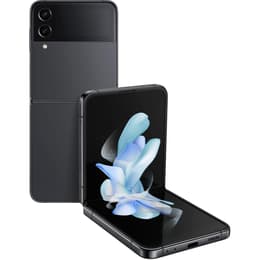
Galaxy Z Flip4 • Unlocked
Starting at

Refurbished price:$206.00

Versus $899.99 new

See options
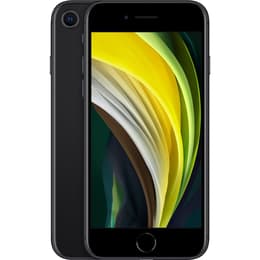
iPhone SE (2020) • Unlocked
Starting at

Refurbished price:$107.00

Versus $399.00 new

See options

Ratings

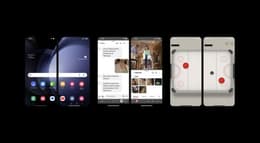
The Samsung Galaxy Z Flip4, released in August 2022, and the Apple iPhone SE 2020, launched in April 2020, represent distinct approaches to smartphone design and functionality. While the Z Flip4 offers a unique foldable form factor running on Android, the iPhone SE 2020 provides a traditional smartphone experience powered by iOS. Key differentiators include the Z Flip4's innovative folding display and advanced camera system, contrasting with the iPhone SE 2020's compact, classic design and streamlined feature set.

Scores

Durability

The practical lifespan of a smartphone is often influenced by its release timeline, software support, and physical resilience. These two devices, released over two years apart, offer different expectations in these areas.

  • Release Timeline and OS Support: The Galaxy Z Flip4, released in August 2022, shipped with Android 12L and was promised four major Android updates and five years of security updates, with its last major OS update being Android 16 in October 2025. The iPhone SE 2020, launched in April 2020, originally ran iOS 13.4 and is expected to receive iOS updates for approximately 5-6 years from its release, supporting up to iOS 26. This means the Z Flip4 generally offers a longer period of ongoing software support from its release date compared to the iPhone SE 2020.
  • Repairability and Physical Durability: The iPhone SE 2020 has an iFixit repairability score of 6 out of 10, indicating that common repairs like display and battery replacements are relatively straightforward, though its glass rear panel is challenging to replace. It also features IP67 water and dust resistance. The Galaxy Z Flip4 boasts IPX8 water resistance, allowing submersion up to 1.5 meters for 30 minutes, and uses Armor Aluminum frames and Gorilla Glass Victus+ on its cover screen and rear glass. However, its foldable screen introduces different durability considerations, and it lacks dust resistance.
  • Expected Practical Lifespan: Users prioritizing the latest software features for the longest duration might find the Z Flip4's update policy more appealing due to its later release. The iPhone SE 2020, while still receiving updates, is closer to the end of its major OS update cycle.

Release Year

2022

2020

Last OS Compatibility

Yes

Yes

OS

Android

iOS

Foldable

Yes

No

Performance

Performance is a critical aspect for daily smartphone use, encompassing everything from app responsiveness to multitasking capabilities and battery endurance.

  • Processor Capabilities and Responsiveness: The Galaxy Z Flip4 is powered by a Qualcomm Snapdragon 8+ Gen 1 processor, which provides robust performance for demanding applications and smooth multitasking. The iPhone SE 2020 features the Apple A13 Bionic chip, which was a leading processor at its release, offering fast performance for everyday tasks and gaming. While both deliver a responsive user experience, the Z Flip4's newer processor generally offers more headroom for future applications and intensive workloads.
  • Storage and RAM: The Z Flip4 comes with 8 GB of RAM and storage options of 128 GB, 256 GB, or 512 GB, though it does not support expandable storage. The iPhone SE 2020 is equipped with 3 GB of RAM and offers storage configurations of 64 GB, 128 GB, or 256 GB. The Z Flip4's higher RAM capacity can be beneficial for extensive multitasking and keeping more applications active in the background.
  • Battery Behavior: The Galaxy Z Flip4 includes a 3700 mAh dual-cell battery, which supports 25W wired fast charging and 10W wireless charging. Users have reported improved battery life compared to its predecessor, with up to 19 hours of video streaming or 16 hours of Wi-Fi/LTE usage. The iPhone SE 2020 has an 1821 mAh battery. For heavy users, its battery may not consistently last a full day, often requiring more frequent charging.

Memory (GB)

8 GB

3 GB

Screen quality

The display is a primary interface for smartphone interaction, and these two devices offer fundamentally different screen technologies and user experiences.

  • Display Technology and Size: The Galaxy Z Flip4 features a foldable 6.7-inch Dynamic AMOLED 2X main display and a smaller 1.9-inch Super AMOLED cover display. The iPhone SE 2020 utilizes a 4.7-inch Retina HD IPS LCD. The Z Flip4's AMOLED technology provides deep blacks and vibrant colors, while the iPhone SE 2020's LCD offers good color accuracy and brightness.
  • Resolution and Clarity: The Z Flip4's main display has a resolution of 2640 x 1080 pixels, resulting in sharp visuals. The iPhone SE 2020 offers a resolution of 1334 x 750 pixels with a pixel density of 326 ppi. Both provide clear viewing experiences for their respective screen sizes.
  • Brightness and Refresh Rate: The Galaxy Z Flip4's main screen supports a 120Hz variable refresh rate for smoother scrolling and animations, and can reach a peak brightness of 1200 nits. The iPhone SE 2020 has a standard 60Hz refresh rate and a typical maximum brightness of 625 nits. The Z Flip4's higher refresh rate and peak brightness contribute to a more fluid and visible display, especially in bright outdoor conditions.

Resolution

1080 x 2640

750 x 1334

Screen type

Foldable Dynamic AMOLED 2X

Retina IPS LCD

Audiovisual

Camera capabilities are a significant factor for many users, and these two smartphones offer distinct photographic experiences.

  • Camera System Configuration: The Galaxy Z Flip4 features a dual-camera system on the rear, consisting of a 12 MP wide-angle lens with optical image stabilization and a 12 MP ultra-wide lens. It also has a 10 MP front-facing camera. The iPhone SE 2020 is equipped with a single 12 MP wide-angle rear camera with optical image stabilization and a 7 MP front camera.
  • Photography Performance: The Z Flip4's cameras are noted for producing vibrant photos with good contrast and detail, showing improvements in low-light performance over its predecessor. Its Flex Mode allows for unique shooting angles and hands-free photography. The iPhone SE 2020's single camera, enhanced by its processor, delivers strong image quality in good lighting, including Portrait mode for human subjects and Smart HDR. However, it lacks an ultra-wide lens and a dedicated Night mode, which can limit its versatility in certain scenarios.
  • Video Recording and Audio: Both devices are capable of recording 4K video at up to 60 frames per second. The iPhone SE 2020 is recognized for its strong video stabilization and audio quality during recording. The Z Flip4 also offers good video capture.

Main camera

12 megapixels

12 megapixels

Front camera

10 megapixels

7 megapixels

Miscellaneous

Beyond core features, several practical elements contribute to the overall user experience and differentiate these devices.

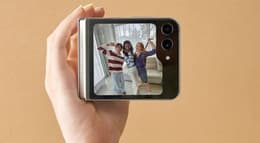
  • Form Factor and Handling: The Galaxy Z Flip4's clamshell foldable design allows it to fold into a compact size, making it highly portable. When unfolded, it offers a larger screen experience. The iPhone SE 2020 maintains a traditional, compact smartphone design with a physical home button and Touch ID. Its smaller size and lighter weight (148g) contribute to easy one-handed use. The Z Flip4 weighs 187g.
  • Connectivity and Ports: The Z Flip4 supports 5G connectivity, Wi-Fi 6, and Bluetooth 5.2, featuring a USB-C 2.0 port. The iPhone SE 2020 offers Gigabit LTE (no 5G), Wi-Fi 6, and Bluetooth 5.0, utilizing a Lightning connector.
  • Biometric Authentication and Other Sensors: The iPhone SE 2020 uses Touch ID for secure fingerprint authentication, integrated into its home button. The Galaxy Z Flip4 features a side-mounted fingerprint scanner. Both devices include standard sensors like accelerometers, gyroscopes, proximity sensors, compasses, and barometers.

Weight

7 oz

5 oz

Screen size (inches)

6.7

4.7

Network

5G

LTE

SIM card

Physical SIM + eSIM

Physical SIM + eSIM

Carrier compatibility

Unlocked

Unlocked

The Samsung Galaxy Z Flip4 and iPhone SE 2020 cater to different user preferences, each excelling in distinct areas. User feedback for the Z Flip4 often praises its innovative foldable design, making it highly pocketable and a conversation starter. Its larger, high-refresh-rate display and improved battery life over its predecessor are also frequently highlighted as positive aspects. Criticisms sometimes point to the visible crease in the foldable screen and the lack of a telephoto camera. For the iPhone SE 2020, users appreciate its familiar, compact form factor, the reliable performance delivered by its powerful processor, and its capable single camera for everyday photography. Common concerns include its smaller, older display technology, the absence of a Night mode for photography, and battery life that may not satisfy heavy users.

Users prioritizing a modern, unique design with a large, fluid display and 5G connectivity may prefer the Galaxy Z Flip4. Its enhanced multitasking capabilities and longer software support timeline also make it suitable for those who want a device that feels current for an extended period. Conversely, users who value a traditional, compact smartphone experience, seamless integration within the Apple ecosystem, and a straightforward, high-quality camera for general use might find the iPhone SE 2020 more appealing. It remains a strong choice for those who prefer physical home buttons and Touch ID. Both devices are available as quality-assured refurbished options, providing an eco-friendly alternative for consumers looking to make an informed and sustainable choice.

See all articles

Our recent comparisons