
Galaxy Z Flip5 • Unlocked vs iPhone 16 • Unlocked

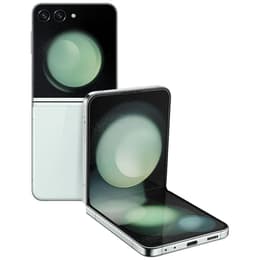
Galaxy Z Flip5 • Unlocked
Starting at

Refurbished price:$234.99

Versus $1,147.99 new

See options
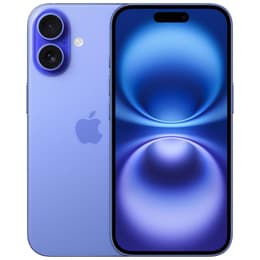
iPhone 16 • Unlocked
Starting at

Refurbished price:$516.00

Versus $729.00 new

See options

Ratings

The Samsung Galaxy Z Flip5, released in August 2023, and the Apple iPhone 16, launched in September 2024, represent distinct approaches to modern smartphone design and functionality. The Galaxy Z Flip5 offers a unique foldable form factor, while the iPhone 16 maintains a traditional slab design. These devices operate on different ecosystems, with the Z Flip5 running Android and the iPhone 16 powered by iOS. Both models aim to deliver a premium smartphone experience, but they cater to varying user preferences through their core design philosophies and feature sets. For those considering a quality-assured refurbished option, both devices are available as sustainable choices.

Scores

Durability

When evaluating the long-term usability of these devices, several factors contribute to their expected lifespan.

  • Release Timeline and Software Support: The Galaxy Z Flip5 was released in August 2023, running Android 13 at launch. Samsung typically provides several years of Android version updates and security patches. The iPhone 16, released in September 2024, launched with iOS 18. Apple is known for offering extended software support, often providing major iOS updates for five to seven years from a device's release. This generally means the iPhone 16 will receive software updates for a longer period than the Galaxy Z Flip5.
  • Physical Durability: The Galaxy Z Flip5 features an Armor Aluminum frame, Gorilla Glass Victus 2 on its cover screen, and Ultra Thin Glass for its main foldable display. It carries an IPX8 water resistance rating, indicating protection against submersion in water. The iPhone 16 is built with a Ceramic Shield front cover and is expected to have an IP68 rating for water and dust resistance, offering robust protection against environmental elements. The foldable nature of the Z Flip5 introduces a mechanical hinge, which is a point of consideration for long-term durability, while the iPhone 16's traditional design avoids this complexity.
  • Practical Lifespan: Both devices are designed for daily use over several years. The iPhone 16's longer expected software support may translate to a slightly extended practical lifespan for users who prioritize having the latest operating system features and security updates. However, the physical condition and battery health will also significantly influence the practical lifespan of either device.

Release Year

2023

2024

Last OS Compatibility

Yes

Yes

Foldable

Yes

No

Performance

The performance of a smartphone is crucial for daily tasks, from navigating applications to demanding multimedia use.

  • Processing Power: The Galaxy Z Flip5 is equipped with a processor designed for high-end Android devices, enabling smooth operation across various applications and multitasking scenarios. The iPhone 16 features Apple's latest generation A-series processor, which is engineered for efficient performance and responsiveness, particularly with iOS-specific applications and demanding computational tasks. Users of both devices can expect fluid navigation and quick app loading times.
  • Multitasking and Storage: The Galaxy Z Flip5 comes with 8GB of RAM, which supports efficient multitasking and keeps multiple applications running in the background without significant slowdowns. It offers storage options of 256GB and 512GB, providing ample space for apps, photos, and videos. The iPhone 16 also includes 8GB of RAM across its models, contributing to its ability to handle numerous open applications and complex workflows. Storage configurations for the iPhone 16 typically start at 128GB, with options for 256GB and 512GB, and potentially higher capacities. Neither device supports expandable storage via microSD cards.
  • Battery Behavior: The Galaxy Z Flip5 houses a 3700mAh battery, which generally provides over a day of typical usage, with some users reporting around 9 hours and 53 minutes of web browsing on a 60Hz display setting. However, heavy usage, especially on 5G networks, can lead to approximately 4-5 hours of screen-on time for some users. The iPhone 16 is equipped with a 3561mAh battery and is expected to offer up to 22 hours of video playback. Real-world usage reports suggest around 8 hours and 19 minutes of screen-on time for the iPhone 16, indicating a full day of use for many users. Both devices benefit from power-efficient processors, but the Z Flip5's smaller battery capacity and dual-screen setup can influence its overall endurance compared to the iPhone 16's traditional design.

Memory (GB)

8 GB

8 GB

Screen quality

The display is a primary interface for smartphone interaction, and both devices offer distinct visual experiences.

  • Display Technology and Clarity: The Galaxy Z Flip5 features a 6.7-inch Foldable Dynamic AMOLED 2X main display with a resolution of 1080 x 2640 pixels, delivering vibrant colors and deep blacks. Its cover screen is a 3.4-inch Super AMOLED display with a 720 x 748 resolution. The iPhone 16 boasts a 6.1-inch Super Retina XDR OLED display with a 2556‑by‑1179-pixel resolution at 460 pixels per inch, also providing excellent color reproduction and contrast.
  • Brightness and Refresh Rate: The Z Flip5's main display offers a variable refresh rate up to 120Hz, ensuring smooth scrolling and responsive visuals, and can reach up to 1750 nits of peak brightness for good outdoor visibility. Its cover screen operates at a 60Hz refresh rate. The iPhone 16's display typically features a 60Hz refresh rate for the base model, which is suitable for most everyday tasks. Both displays offer sufficient brightness for comfortable viewing in various lighting conditions.
  • Viewing Experience and Form Factor: The Z Flip5's foldable design allows for a compact form factor when closed, making it highly portable, while unfolding to a standard smartphone screen size. The cover screen provides quick access to notifications and widgets without opening the device. The iPhone 16 offers a consistent, expansive viewing area on its single, flat display, which is ideal for media consumption and productivity without the crease associated with foldable screens.

Resolution

1080 x 2640

1179 x 2556

Screen type

Foldable Dynamic AMOLED 2X

Super Retina XDR OLED

Audiovisual

Both smartphones offer advanced camera systems designed to capture high-quality photos and videos, though with different configurations and features.

  • Rear Camera Systems: The Galaxy Z Flip5 features a dual-camera setup on the rear, consisting of a 12MP Ultra Wide camera with an f/2.2 aperture and a 123-degree field of view, and a 12MP Wide-angle camera with an f/1.8 aperture, Dual Pixel Autofocus, and Optical Image Stabilization (OIS). The iPhone 16 also comes with a dual-camera system, including a 48MP Main camera with an f/1.6 aperture, sensor-shift OIS, and 2x optical zoom capabilities, alongside a 12MP Ultra Wide camera with an f/2.2 aperture and a 120-degree field of view. The iPhone 16's main camera is expected to offer improved low-light performance due to its larger sensor and aperture.
  • Photography Features and Quality: The Z Flip5's camera system is noted for producing good images in well-lit conditions, with vibrant colors, though some users observe occasional oversaturation. Its Flex Mode allows for unique shooting angles and hands-free photography. The iPhone 16 is expected to introduce macro photography to its non-Pro models for the first time and features a new capacitive Capture button for enhanced camera control. Both devices offer strong computational photography, with the iPhone 16 leveraging its processor for features like Photonic Engine and Smart HDR.
  • Video Recording and Audio: Both phones are capable of high-quality video recording. The Galaxy Z Flip5 supports 4K video recording at 60 frames per second, with good stabilization. The iPhone 16 offers 4K Dolby Vision video recording at various frame rates and is expected to support spatial video recording, which can be viewed on compatible devices for an immersive experience. Both devices provide clear audio recording for calls and videos.

Main camera

12 megapixels

48 megapixels

Front camera

10 megapixels

12 megapixels

Miscellaneous

Beyond core features, several practical elements contribute to the overall user experience of these smartphones.

  • Connectivity and Ports: Both the Galaxy Z Flip5 and iPhone 16 support 5G cellular connectivity for fast mobile data speeds. The Z Flip5 includes Wi-Fi 6 (ax) and Bluetooth 5.3. The iPhone 16 is expected to feature Wi-Fi 6E, with its Pro models potentially supporting Wi-Fi 7 for even faster wireless speeds and lower latency. Both devices utilize a USB-C port for charging and data transfer. The iPhone 16 models sold in the US are eSIM-only, while international models may support physical SIM cards.
  • Biometric Security and Design: The Galaxy Z Flip5 incorporates a side-mounted fingerprint sensor for secure unlocking. Its foldable design allows it to be more compact when closed, measuring 71.9 x 85.1 x 15.1mm and weighing 187 grams. When unfolded, it measures 71.9 x 165.1 x 6.9mm. The iPhone 16 relies on Face ID for facial recognition security. It maintains a traditional slab design, with dimensions of 147.6 x 71.6 x 7.80 mm and a weight of 173 grams, making it slightly lighter than the Z Flip5.
  • Additional Features: The Z Flip5's cover screen offers quick access to widgets and notifications, enhancing its usability without needing to open the main display. The iPhone 16 is expected to feature a redesigned camera bump with a vertical arrangement and a new capacitive Capture button, which can be used for quick photo taking and camera controls.

Weight

7 oz

6000 oz

Screen size (inches)

6.7

6.1

Network

5G

5G

SIM card

Physical SIM + eSIM

eSIM

Carrier compatibility

Unlocked

Unlocked

Connector

USB-C

USB-C (USB 2)

The Samsung Galaxy Z Flip5 and the Apple iPhone 16 cater to different user preferences, primarily distinguished by their form factors and operating systems. Users often praise the Galaxy Z Flip5 for its innovative foldable design, which offers a compact footprint when closed and a full-sized screen when open, along with the utility of its larger cover screen for quick interactions. Some criticisms from users include concerns about its battery life, which, while improved, may not always match the endurance of traditional slab phones, and the camera system, which some feel could be more advanced for its category.

The iPhone 16, on the other hand, is generally lauded for its consistent performance, robust software ecosystem, and expected long-term software support. Users appreciate the reliability of its camera system and the seamless integration within the Apple ecosystem. Common user expectations for the iPhone 16 include further camera enhancements and improved battery efficiency.

Users prioritizing a unique, compact design and the flexibility of a foldable screen, coupled with the Android ecosystem, may find the Galaxy Z Flip5 well-suited to their needs. Its ability to stand on its own for hands-free viewing and photography is a distinct advantage. Conversely, users who value a traditional, durable smartphone experience with extended software longevity, a powerful and efficient processor, and a highly integrated ecosystem will likely lean towards the iPhone 16. Its expected camera upgrades and consistent performance make it a strong contender for those focused on photography and overall reliability. Both devices are available as quality-assured refurbished options, providing an eco-friendly alternative for consumers.


See all articles

Our recent comparisons