

Compare models
Galaxy Z Flip7 • Unlocked vs Google Pixel 7a • Unlocked
- 1-year warranty
- Free standard shipping
- Free 30-day returns
Differences at a glance
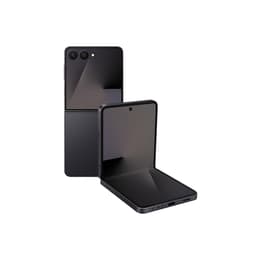
The Samsung Galaxy Z Flip7 (2025) and the Google Pixel 7a (2023) represent two entirely different approaches to modern smartphone design, contrasting a foldable clamshell form factor with a traditional slate layout. While the Galaxy Z Flip7 brings cutting-edge folding mechanics and an expansive cover screen, the Google Pixel 7a delivers a compact, streamlined everyday experience. Operating on different iterations of the Android operating system, these devices cater to users looking for distinct physical styles and user interface philosophies.
Available Models
Color
Storage (GB)
Scores
Durability
Both smartphones offer robust long-term usability, though their physical construction and release timelines introduce different structural considerations.
- Release timeline and support: The Galaxy Z Flip7 launched in 2025, providing a later starting point for multi-year software updates compared to the Google Pixel 7a, which debuted in 2023.
- Physical durability: The Google Pixel 7a utilizes a traditional rigid slate design with standard glass and an aluminum frame, whereas the Galaxy Z Flip7 features a foldable main screen that requires careful handling over years of repeated folding.
- Repairability and lifespan: Traditional slate devices like the Pixel generally present simpler pathways for maintenance, while foldable structures involve specialized hinge mechanisms that influence overall longevity.
Release Year
2025
2023
Last OS Compatibility
Yes
Yes
OS
Android
Android
Foldable
Yes
No
Performance
Daily speed and multitasking capabilities differ noticeably due to variations in internal memory configurations and system optimization.
- Multitasking capacity: The Galaxy Z Flip7 is equipped with generous system memory to handle heavy background tasks smoothly, while the Google Pixel 7a manages everyday applications and routine workflows efficiently with standard memory allocations.
- Storage capacity: The Galaxy Z Flip7 offers higher baseline storage tiers suited for large media libraries, whereas the Pixel 7a features a single fixed storage capacity geared toward standard cloud-reliant users.
- Battery behavior: Both devices manage daily energy demands effectively through adaptive software features, though intensive gaming or prolonged video streaming will require mid-day recharging on both models.
Screen quality
Display architecture is the defining differentiator between these two handsets, changing how media and notifications are consumed.
- Display technology: The Galaxy Z Flip7 features a flexible folding interior screen paired with a large, functional outer cover display, whereas the Pixel 7a utilizes a standard, rigid OLED panel with a smooth refresh rate.
- Outdoor visibility: Both screens reach high peak brightness levels, ensuring that text and images remain legible under direct sunlight.
- Visual smoothness: Each device supports elevated refresh rates for fluid scrolling through web pages, social feeds, and system menus.
Resolution
1080 x 2520
1080 x 2400
Screen type
Foldable Dynamic LTPO AMOLED 2X
OLED
Audiovisual
Imaging hardware and software processing provide distinct photography styles tailored to everyday moments and varied lighting conditions.
- Camera systems: The Galaxy Z Flip7 relies on a versatile dual-lens rear setup that benefits from flexible folding angles for hands-free tripod shots, while the Pixel 7a utilizes Google's signature computational photography software to deliver balanced everyday images.
- Video and audio: Both models capture stable high-resolution video with clear audio recording, making them well-suited for casual content creation and video calls.
- Media consumption: Stereo speaker output on both devices provides clear sound quality for hands-free calls, podcasts, and video playback.
Miscellaneous
Physical dimensions and connectivity standards shape the ergonomics and day-to-day handling of each smartphone.
- Connectivity: Both models support modern 5G networks, fast Wi-Fi standards, and Bluetooth for reliable peripheral pairing.
- Form factor and weight: The Pixel 7a maintains a classic, pocketable slate profile, while the Galaxy Z Flip7 folds compactly into a smaller square footprint that fits easily into tight pockets.
- Biometrics and ports: Each device uses modern USB-C connection standards and incorporates secure biometric authentication via facial recognition or fingerprint sensors.
Weight
3 oz
6 oz
Screen size (inches)
6.9
6.1
Network
5G
5G
SIM card
Physical SIM + eSIM
Physical SIM + eSIM
Carrier compatibility
Unlocked
Unlocked
What the community thinks
When deciding between these two devices, user preferences generally center on form factor, software ecosystem, and physical design priorities. Users who prefer a compact, pocket-friendly device with traditional durability often gravitate toward the Google Pixel 7a, praising its straightforward user interface and reliable everyday camera capabilities. Conversely, users who value innovative folding mechanics, a larger external display for quick interactions, and expanded multitasking headroom frequently lean toward the Galaxy Z Flip7. Choosing a quality-assured refurbished option through Back Market provides an eco-friendly path to acquiring either device while reducing electronic waste. Ultimately, evaluating whether a flexible folding screen or a standard slate layout better fits daily habits will guide an informed, sustainable purchasing decision.