
Compare models
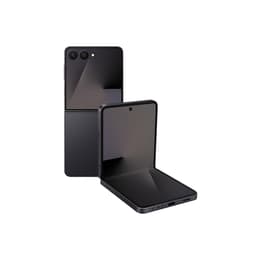
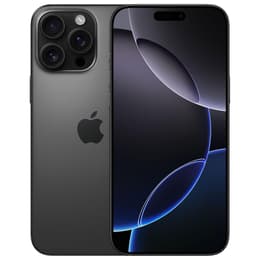
Galaxy Z Flip7 • Unlocked vs iPhone 16 Pro Max • Unlocked
- 1-year warranty
- Free standard shipping
- Free 30-day returns
Differences at a glance
The Samsung Galaxy Z Flip7 (2025) and the Apple iPhone 16 Pro Max (2024) represent two distinct approaches to high-end smartphone design, contrasting a compact, foldable form factor with a traditional, large-screen flagship slate. While both run on distinct operating systems—Android and iOS respectively—they serve very different user preferences through their physical structures, display configurations, and everyday utility.
Available Models
Color
Storage (GB)
Scores
Durability
Both devices are built for long-term ownership, though their physical construction and update timelines influence their practical lifespans differently.
- Software Support and Longevity: Both manufacturers provide multi-year operating system upgrades and security patches, ensuring both models remain secure and current for years of daily use.
- Physical Durability: The iPhone 16 Pro Max relies on a rigid titanium frame and reinforced glass, whereas the Galaxy Z Flip7 features a folding display mechanism that requires care over extended folding cycles.
- Repairability: Traditional slate designs like the iPhone generally offer simpler repair processes for screen replacements compared to complex foldable hinge assemblies.
Release Year
2025
2024
Last OS Compatibility
Yes
Yes
Foldable
Yes
No
Performance
Equipped with robust internal hardware and ample memory, both smartphones handle intensive tasks, multi-app workflows, and everyday navigation with ease.
- Multitasking and Responsiveness: Both devices switch seamlessly between demanding applications, games, and background processes without stuttering or noticeable lag.
- Storage Configurations: Both models offer spacious starting storage tiers alongside higher capacities for users with large media libraries or offline files.
- Battery Behavior: The iPhone 16 Pro Max accommodates a larger physical battery capable of lasting through extended periods of heavy media consumption, while the Galaxy Z Flip7 provides reliable daily endurance that meets standard mobile routines.
Screen quality
Visual experiences differ significantly due to screen geometry, with one model emphasizing a massive continuous slate and the other providing a flexible dual-display layout.
- Display Technology: Both models utilize vibrant OLED panels that deliver deep contrast levels, sharp text clarity, and high peak brightness for outdoor visibility.
- Refresh Rate and Smoothness: Both devices support high adaptive refresh rates up to 120Hz, ensuring fluid scrolling and responsive touch tracking during navigation.
- Form Factor Impact: The iPhone 16 Pro Max features a sprawling 6.9-inch single screen well-suited for widescreen media viewing, while the Galaxy Z Flip7 offers an expansive inner display paired with an outer cover screen for quick glances at notifications.
Resolution
1080 x 2520
1320 x 2868
Screen type
Foldable Dynamic LTPO AMOLED 2X
LTPO Super Retina XDR OLED
Audiovisual
Optics and media capture systems cater to diverse photography styles, ranging from versatile zoom capabilities to unique framing angles.
- Camera Array Versatility: The iPhone 16 Pro Max includes a dedicated telephoto lens with high optical zoom reach, whereas the Galaxy Z Flip7 utilizes its folding hinge to enable hands-free angles and creative self-portraits.
- Video and Audio Quality: Both phones capture detailed high-resolution video with advanced stabilization, complemented by clear microphone arrays for calls and audio recording.
- Media Playback: Built-in stereo speakers on both devices deliver balanced sound output suitable for casual podcasts, videos, and music listening.
Miscellaneous
Everyday usability is shaped by physical dimensions, connectivity standards, and biometric security features tailored to each ecosystem.
- Connectivity and Ports: Both models support rapid 5G networks, modern Wi-Fi protocols, and reversible USB-C charging connections.
- Physical Handling: The iPhone 16 Pro Max is a wider and heavier device designed for two-handed use, while the Galaxy Z Flip7 folds down into a compact square that slips easily into smaller pockets.
- Security and Biometrics: The iPhone relies on facial recognition, whereas the Galaxy Z Flip7 incorporates a side-mounted fingerprint sensor integrated into the power button.
Weight
3 oz
185 oz
Screen size (inches)
6.9
6.9
Network
5G
5G
SIM card
Physical SIM + eSIM
eSIM
Carrier compatibility
Unlocked
Unlocked
Connector
USB-C
USB-C (USB 3)
What the community thinks
When deciding between these two devices, user priorities regarding physical design and software ecosystem play the deciding role. Users who value a pocket-friendly, compact footprint with creative folding capabilities may prefer the Galaxy Z Flip7, while users prioritizing maximum screen workspace, extended battery endurance, and a traditional rigid slate will likely lean toward the iPhone 16 Pro Max. For shoppers exploring a quality-assured refurbished option, choosing a professionally tested device provides a sustainable and reliable path to acquiring either model while reducing electronic waste.