
Galaxy Z Fold4 • Unlocked vs iPhone 12 mini • Unlocked

Galaxy Z Fold4 • Unlocked
Starting at

Refurbished price:$364.00

Versus $2,000.00 new

See options
iPhone 12 mini • Unlocked
Starting at

Refurbished price:$149.00

Versus $459.00 new

See options

Ratings

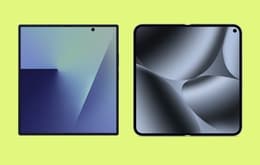
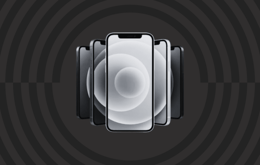
The Samsung Galaxy Z Fold4, released in August 2022, and the iPhone 12 Mini, launched in November 2020, represent two distinct approaches to smartphone design and user experience. The Z Fold4 offers a large, foldable display that transforms from a traditional smartphone into a tablet-like device, running on Android. In contrast, the iPhone 12 Mini provides a compact, traditional smartphone form factor with Apple's iOS ecosystem. These devices cater to different user priorities, with one emphasizing expansive screen real estate and multitasking, and the other focusing on portability and single-handed use.

Scores

Durability

The practical lifespan of a smartphone is often influenced by its release timeline, software support, and physical resilience. Both devices offer robust build qualities, but their differing designs impact their long-term durability and repairability.

  • Software Longevity: The Galaxy Z Fold4, being a newer device from 2022, is expected to receive major Android OS updates until Android 16 and security updates until 2027, offering a longer period of official software support from its release date. The iPhone 12 Mini, released in 2020, has already received several iOS updates and is currently compatible with iOS 26.4, with Apple typically providing 5-6 years of major OS updates, followed by security patches.
  • Physical Durability: The iPhone 12 Mini features a Ceramic Shield front cover and an aluminum frame, contributing to its overall resilience against drops and scratches. It also carries an IP68 rating for water and dust resistance. The Galaxy Z Fold4 incorporates Gorilla Glass Victus+ on its cover screen and back, an Armor Aluminum frame, and an IPX8 water resistance rating, though it lacks an official dust resistance rating due to its folding mechanism.
  • Repairability Considerations: The complex folding design of the Galaxy Z Fold4 generally makes repairs more intricate and potentially more costly compared to the more conventional, albeit still specialized, repair processes for the iPhone 12 Mini.

Release Year

2022

2020

Last OS Compatibility

Yes

Yes

OS

Android

iOS

Foldable

Yes

No

Performance

Performance in smartphones is about how smoothly tasks are handled, from everyday browsing to demanding applications. The core processing power and battery management are key differentiators between these two devices.

  • Processing Power: The Galaxy Z Fold4 is equipped with a current-generation processor that handles demanding applications, intensive multitasking, and graphic-rich gaming with fluidity. Its architecture is designed for efficiency, contributing to sustained performance. The iPhone 12 Mini features a capable processor that delivers responsive performance for daily tasks, app launches, and gaming, maintaining smooth operation within the iOS ecosystem.
  • Multitasking and Storage: The Galaxy Z Fold4 typically offers a larger amount of RAM, which supports extensive multitasking, allowing users to run multiple applications simultaneously without significant slowdowns, especially beneficial on its expansive screen. It also comes with generous storage options, starting from 256 GB. The iPhone 12 Mini, while having less RAM, is optimized by iOS to manage applications efficiently, providing a smooth experience for typical smartphone usage. It offers storage options starting from 64 GB.
  • Battery Behavior: The Galaxy Z Fold4 houses a 4400 mAh battery, which, combined with its efficient processor and variable refresh rate screens, aims to provide a full day of use for many users, even with its larger displays. The iPhone 12 Mini, with its smaller 2227 mAh battery, is designed for its compact size, and users often find it requires more frequent charging, particularly with heavy usage.

Memory (GB)

12 GB

4 GB

Screen quality

The visual experience is a primary interaction point for any smartphone, and these two devices offer distinct display technologies and form factors that cater to different preferences.

  • Display Technology and Size: The Galaxy Z Fold4 features two Dynamic AMOLED 2X displays: a 7.6-inch foldable inner screen and a 6.2-inch cover screen. Both offer vibrant colors, deep blacks, and high contrast, with a 120Hz refresh rate for smooth scrolling and responsiveness. The iPhone 12 Mini sports a 5.4-inch Super Retina XDR OLED display, known for its excellent color accuracy, deep blacks, and high brightness, though it operates at a standard 60Hz refresh rate.
  • Resolution and Clarity: The Z Fold4's inner display has a resolution of 2176 x 1812 pixels, while its cover screen is 2316 x 904 pixels, providing sharp and detailed visuals across both. The iPhone 12 Mini offers a 2340 x 1080 pixel resolution, resulting in a high pixel density that ensures text and images appear crisp and clear on its smaller screen.
  • Viewing Experience: The Z Fold4's large, foldable screen is designed for immersive media consumption, productivity, and multitasking, offering a tablet-like experience when unfolded. The iPhone 12 Mini's compact display is ideal for single-handed use and users who prefer a smaller device that is easy to carry and operate discreetly.

Resolution

1812 x 2176

1080 x 2340

Screen type

Foldable Dynamic AMOLED 2X

Super Retina XDR OLED

Audiovisual

Both devices are equipped with capable camera systems designed to capture moments, though they differ in their configurations and specialized features.

  • Rear Camera System: The Galaxy Z Fold4 features a versatile triple-camera setup on the rear, including a 50 MP wide-angle lens with optical image stabilization (OIS), a 12 MP ultrawide lens, and a 10 MP telephoto lens with 3x optical zoom and OIS. This configuration allows for a range of photographic styles, from expansive landscapes to detailed zoomed-in shots. The iPhone 12 Mini comes with a dual 12 MP rear camera system, comprising a wide-angle lens with a wide aperture and OIS, and an ultrawide lens. It excels in capturing detailed and color-accurate photos in various conditions.
  • Low-Light and Video Performance: The Z Fold4's larger main sensor and advanced processing contribute to good low-light performance, capturing detail and managing noise effectively. It supports video recording up to 8K resolution. The iPhone 12 Mini also performs well in low-light conditions, thanks to its wide aperture and computational photography features like Night Mode. It offers HDR video recording with Dolby Vision up to 4K.
  • Front Cameras and Audio: The Z Fold4 has a 10 MP camera on its cover screen and a 4 MP under-display camera on the inner screen, suitable for video calls and selfies. The iPhone 12 Mini features a 12 MP TrueDepth front camera that supports advanced portrait modes and high-quality video recording. For audio, the Z Fold4 provides stereo speakers with Dolby Atmos support for an immersive sound experience, while the iPhone 12 Mini also offers stereo speakers for clear audio output.

Main camera

50 megapixels

12 megapixels

Front camera

4 megapixels

12 megapixels

Miscellaneous

Beyond the core features, several practical elements contribute to the overall user experience and daily functionality of these smartphones.

  • Connectivity and Ports: Both devices support 5G connectivity for fast mobile data speeds. The Galaxy Z Fold4 includes Wi-Fi 6E and Bluetooth 5.2, along with a USB-C port for charging and data transfer. The iPhone 12 Mini supports Wi-Fi 6 and Bluetooth 5.0, utilizing Apple's proprietary Lightning port.
  • Biometric Security: The Galaxy Z Fold4 incorporates a side-mounted fingerprint sensor for secure unlocking and authentication, alongside face recognition. The iPhone 12 Mini relies on Face ID, Apple's facial recognition system, for biometric security.
  • Form Factor and Handling: The Z Fold4, when folded, is thicker and heavier at 263g, offering a narrow, tall profile. When unfolded, it becomes a thin, wide device. The iPhone 12 Mini is significantly lighter at 135g and much more compact, designed for comfortable one-handed use and easy pocketability.

Weight

7 oz

7 oz

Screen size (inches)

7.6

5.4

Network

5G

5G

SIM card

Physical SIM + eSIM

Physical SIM + eSIM

Carrier compatibility

Unlocked

Unlocked

The Samsung Galaxy Z Fold4 and the iPhone 12 Mini cater to fundamentally different user needs and preferences. The Z Fold4 is often praised by users for its innovative folding design, which offers the versatility of a large tablet screen in a portable form factor, enhancing productivity and media consumption. Its powerful processor and advanced camera system are also frequently highlighted as strong points. Some users, however, note its considerable weight and thickness when folded, and the visible crease on the inner display can be a point of contention. The durability of the folding screen over extended use is also a common discussion point.

Conversely, the iPhone 12 Mini receives acclaim for its exceptionally compact size, making it ideal for users who prioritize single-handed operation and easy pocketability. Its capable camera, vibrant OLED display, and the consistent performance of the iOS ecosystem are also highly regarded. Criticisms often revolve around its smaller battery capacity, which can lead to shorter usage times for heavy users, and the smaller screen size may not be suitable for those who consume a lot of media or require extensive screen real estate for tasks.

Users prioritizing an expansive, adaptable display for multitasking, content creation, or immersive media will find the Galaxy Z Fold4 well-suited to their needs. Those who value ultimate portability, comfortable one-handed use, and a streamlined smartphone experience will likely lean towards the iPhone 12 Mini. Both devices, whether new or as a quality-assured refurbished option, offer distinct advantages depending on individual lifestyle and usage patterns.


See all articles

Our recent comparisons