Galaxy Z Fold6 • Unlocked vs iPhone 14 • Locked AT&T

Galaxy Z Fold6 • Unlocked
Starting at

Refurbished price:$549.99

Versus $1,499.00 new

See options
iPhone 14 • Locked AT&T
Starting at

Refurbished price:$225.72

Versus $629.00 new

See options

Ratings

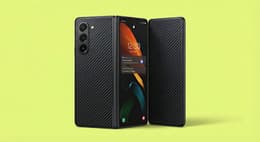
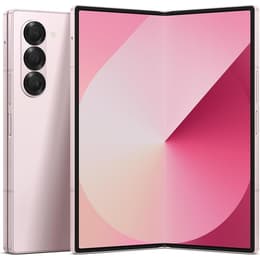
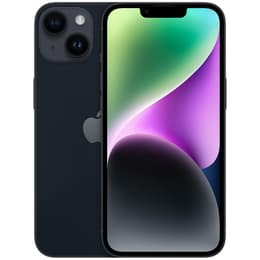
The Samsung Galaxy Z Fold6, released in July 2024, and the Apple iPhone 14, launched in September 2022, represent distinct approaches to smartphone design and functionality. While the iPhone 14 offers a traditional smartphone experience with a focus on a streamlined operating system and robust camera capabilities, the Galaxy Z Fold6 introduces a foldable design that transforms from a standard smartphone into a larger tablet-like display, emphasizing multitasking and immersive viewing. Both devices operate on different ecosystems, with the Z Fold6 running Android and the iPhone 14 running iOS, each providing a unique user interface and app experience.

Scores

Durability

The longevity of a smartphone is influenced by its release timeline, software support, and physical durability.

  • Release Timeline and Software Support: The Galaxy Z Fold6, released in July 2024, benefits from a more recent launch, typically receiving major Android operating system updates for approximately five years and security updates for up to seven years from its release. The iPhone 14, released in September 2022, has already received several iOS updates and is expected to continue receiving major iOS updates for a total of five to six years from its launch, with security updates extending beyond that.
  • Durability and Repairability: The iPhone 14 features a Ceramic Shield front cover and an aluminum frame, contributing to its overall resilience against drops and scratches, alongside an IP68 rating for water and dust resistance. The Galaxy Z Fold6 incorporates an Armor Aluminum frame and an improved hinge mechanism, offering IPX8 water resistance, though it lacks official dust resistance, which some durability tests have highlighted as a potential concern. The foldable display introduces a unique set of durability considerations, with users noting the presence of a screen crease.
  • Expected Practical Lifespan: Both devices are built to offer several years of reliable performance. The iPhone 14's battery is designed to retain 80 percent of its original capacity after 500 charge cycles, while the Z Fold6's foldable mechanism is rated for a significant number of folds, suggesting a practical lifespan of several years under typical usage.

Release Year

2024

2022

Last OS Compatibility

Yes

Yes

OS

Android

iOS

Foldable

Yes

No

Performance

Performance in both devices is designed to handle demanding applications and multitasking efficiently, though their underlying architectures differ.

  • Processor Capabilities: The Galaxy Z Fold6 is equipped with a powerful, current-generation processor optimized for foldable devices, enabling smooth operation across its multiple displays and handling intensive tasks like high-fidelity gaming and complex productivity applications. The iPhone 14 utilizes a robust and efficient processor, which provides a responsive user experience for everyday applications, gaming, and video editing, maintaining consistent performance even with prolonged use.
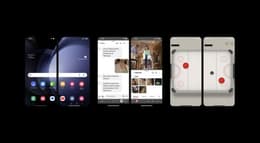
  • Multitasking and Responsiveness: The Galaxy Z Fold6 excels in multitasking due to its large internal display, allowing users to run multiple applications simultaneously in split-screen or pop-up windows, enhancing productivity. The iPhone 14 offers fluid navigation and quick app launches, with its operating system efficiently managing background processes to ensure a consistently smooth experience, though its smaller screen size limits extensive multi-window use.
  • Battery Behavior: The Galaxy Z Fold6 features a 4400 mAh battery, providing decent endurance for a device with two displays, though heavy use of the larger internal screen can lead to more frequent charging. The iPhone 14, with its 3279 mAh battery, delivers solid all-day battery life for most users, benefiting from the efficiency of its processor and operating system.

Memory (GB)

12 GB

6 GB

Screen quality

The display experience is a primary differentiator between these two smartphones, offering distinct visual and interactive qualities.

  • Display Technology and Clarity: The Galaxy Z Fold6 features two Dynamic AMOLED 2X displays, a 7.6-inch main foldable screen and a 6.3-inch cover screen, both offering vibrant colors, deep blacks, and sharp resolutions. The iPhone 14 sports a 6.1-inch Super Retina XDR OLED display, known for its excellent color accuracy, high contrast, and clear resolution, providing a visually rich experience.
  • Brightness and Refresh Rate: Both displays on the Galaxy Z Fold6 support an adaptive 120Hz refresh rate, contributing to smooth scrolling and responsive interactions, and can reach a peak brightness of 2600 nits, ensuring good visibility in various lighting conditions. The iPhone 14's display operates at a 60Hz refresh rate, which provides a consistent visual experience, and offers a peak brightness of 1200 nits for HDR content, making it suitable for outdoor use.
  • Screen Size and Viewing Experience: The Galaxy Z Fold6's larger, foldable main display offers an immersive viewing experience for media consumption, reading, and productivity, effectively functioning as a small tablet. The iPhone 14 provides a comfortable and clear viewing experience on its 6.1-inch screen, which is well-suited for one-handed use and general smartphone tasks.

Resolution

1856 x 2160

1170 x 2532

Screen type

Foldable Dynamic LTPO AMOLED 2X

Super Retina XDR OLED

Audiovisual

Both devices offer capable camera systems designed to capture high-quality photos and videos, though with different strengths and features.

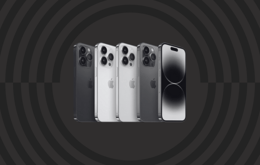
  • Camera System Capabilities: The Galaxy Z Fold6 features a versatile triple-camera setup on the rear, including a 50MP main sensor with optical image stabilization (OIS), a 12MP ultra-wide lens, and a 10MP telephoto lens with 3x optical zoom and OIS. It also has a 10MP front-facing camera on the cover screen and a 4MP under-display camera on the main screen. The iPhone 14 is equipped with a dual-camera system, featuring a 12MP main camera with a large sensor and sensor-shift OIS, and a 12MP ultra-wide camera. Its 12MP front camera includes autofocus.
  • Photography Performance: The Galaxy Z Fold6's camera system delivers good results in various conditions, with its main sensor producing detailed and vibrant images. While competent for everyday photography, some users note that its overall camera performance, particularly in low light and zoom capabilities, may not match the highest-tier traditional flagship smartphones. The iPhone 14 is praised for its consistent and natural-looking photos, especially with the aid of its Photonic Engine for improved low-light performance. Its camera excels in capturing realistic colors and fine details.
  • Video Recording Quality: Both devices offer advanced video recording capabilities. The Galaxy Z Fold6 supports 8K video recording at 30 frames per second, providing high-resolution footage. The iPhone 14 offers 4K HDR video recording with Dolby Vision, along with features like Cinematic mode for depth-of-field effects and Action mode for smooth, stabilized handheld video.

Main camera

50 megapixels

12 megapixels

Front camera

4 megapixels

12 megapixels

Miscellaneous

Beyond core features, several practical elements contribute to the overall user experience and daily utility of these devices.

  • Connectivity and Ports: The Galaxy Z Fold6 supports the latest wireless standards, including 5G, Wi-Fi 6E or Wi-Fi 7, and Bluetooth 5.3 or 5.4, and features a USB-C port for charging and data transfer. The iPhone 14 also offers 5G and Wi-Fi 6 connectivity, along with Bluetooth 5.3, but utilizes Apple's proprietary Lightning port.
  • Biometric Security and Sensors: The Galaxy Z Fold6 typically includes a side-mounted fingerprint sensor for secure unlocking. The iPhone 14 relies on Face ID, an advanced facial recognition system, for biometric security. Both devices incorporate a range of sensors for features like spatial awareness and environmental monitoring.
  • Physical Design and Handling: The Galaxy Z Fold6, with its foldable design, is thicker and heavier when folded compared to a traditional smartphone, but offers a larger screen when unfolded. Its dimensions are 153.5 x 68.1 x 12.1 mm when folded and 153.5 x 132.6 x 5.6 mm when unfolded, weighing 239g. The iPhone 14 maintains a more conventional smartphone form factor, measuring 146.7 x 71.5 x 7.8 mm and weighing 172g, making it lighter and more compact for single-handed use.

Weight

8 oz

6 oz

Screen size (inches)

7.6

6.1

Network

5G

5G

SIM card

Physical SIM + eSIM

eSIM

Carrier compatibility

Unlocked

AT&T

User feedback for the Galaxy Z Fold6 often highlights its innovative foldable design as a significant advantage, particularly for multitasking and immersive media consumption. Users appreciate the ability to have a large screen in a pocketable form factor, and the improved hinge and lighter design of the Fold6 have been well-received. The integration of AI features and the overall performance for demanding applications are also frequently praised. However, common criticisms include its bulkiness compared to traditional smartphones, the noticeable crease on the inner display, and the camera system, while competent, is sometimes noted as not being on par with other top-tier non-foldable flagships. Battery life, while decent, can be a concern for heavy users of the main display.

The iPhone 14 consistently receives praise for its reliable performance, excellent camera quality that produces natural-looking photos, and its intuitive iOS operating system. Users often commend its solid battery life, premium build quality, and the long-term software support provided by Apple. Some common points of discussion include the 60Hz refresh rate of its display, which some users find less fluid than higher refresh rate screens on other devices, and the continued use of the Lightning port.

Users prioritizing a versatile device that can transform from a compact smartphone to a large-screen productivity and entertainment hub may find the Galaxy Z Fold6 well-suited to their needs. Its emphasis on multitasking and a unique form factor caters to those who desire a tablet-like experience in their pocket. Conversely, users who value a consistent, streamlined smartphone experience with a strong emphasis on camera performance, long-term software support, and a more traditional, compact design will likely lean towards the iPhone 14. Both devices offer compelling experiences, and for those considering an eco-friendly alternative, quality-assured refurbished options are available for both models, providing a sustainable choice.


See all articles

Our recent comparisons