
Compare models
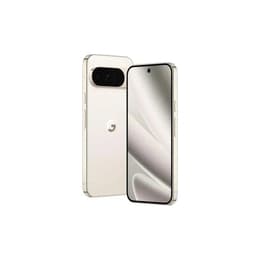
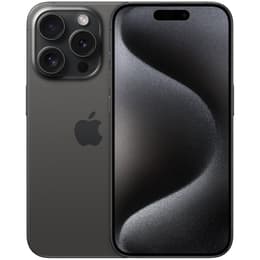
Google Pixel 10 Pro XL • Unlocked vs iPhone 15 Pro • Unlocked
- 1-year warranty
- Free standard shipping
- Free 30-day returns
Differences at a glance
The Google Pixel 10 Pro XL (2025) and the Apple iPhone 15 Pro (2023) represent large-screen and compact flagship philosophies within the smartphone market. While the Pixel runs on Android and features a larger expansive body, the iPhone utilizes iOS within a smaller titanium framework. Choosing between them often comes down to ecosystem preference, physical footprint, and desired software interaction style.
Available Models
Color
Storage (GB)
Scores
Durability
Both smartphones provide robust long-term software support, though their release schedules and hardware longevity indicators differ slightly based on typical usage patterns.
- Software Support: The Pixel 10 Pro XL launches with Android 16, while the iPhone 15 Pro debuted on iOS 17, meaning both receive multi-year operating system upgrades and security patches directly from their respective manufacturers.
- Repairability and Build: Both devices utilize hardened exterior glass and metal chassis designed to withstand daily wear, though authorized service availability varies by region for screen and battery replacements.
- Expected Lifespan: High-capacity internal storage configurations and generous memory allocations ensure both models maintain responsive operation over several years of standard daily routines.
Release Year
2025
2023
OS
Android
iOS
Foldable
No
No
Performance
Daily operation and hardware capability reflect distinct approaches to processing power, multitasking capacity, and energy management under heavy loads.
- Multitasking and Memory: The Pixel 10 Pro XL includes substantial memory capacity to handle multiple active applications simultaneously, whereas the iPhone 15 Pro relies on optimized memory management to switch swiftly between demanding tasks.
- App Loading and Gaming: Both models handle complex mobile games and heavy productivity tools smoothly, maintaining steady frame rates and responsive touch inputs during extended use.
- Battery Behavior: The Pixel's larger physical footprint accommodates a high-capacity battery designed to last through extensive daily schedules, while the iPhone balances energy efficiency within its more compact enclosure to preserve power until evening hours.
Screen quality
Display characteristics differ significantly in physical scale, peak illumination capabilities, and overall panel technology.
- Display Technology: Both devices employ advanced OLED panels that produce deep black levels, high contrast, and vivid color reproduction for all forms of media viewing.
- Brightness and Outdoors: High peak luminance levels on both screens ensure legibility under direct sunlight, making outdoor navigation and reading straightforward.
- Refresh Rate and Size: The Pixel 10 Pro XL features a spacious 6.8-inch panel with an adaptive refresh rate up to 120Hz, matching the smooth scrolling performance found on the 6.1-inch display of the iPhone 15 Pro.
Resolution
1344 x 2992
1179 x 2556
Screen type
LTPO OLED
LTPO Super Retina XDR OLED
Audiovisual
Imaging hardware and computational processing cater to users looking for detailed everyday photography, versatile zoom options, and stable video recording.
- Rear Camera Systems: Both phones incorporate triple-lens arrays featuring high-resolution main sensors, ultra-wide options, and optical telephoto capabilities for distant subjects.
- Low-Light and Processing: Computational photography algorithms on both devices balance shadows and highlights effectively in dim environments without introducing excessive artificial sharpening.
- Video and Audio: Video capture remains steady and detailed across both models, supported by clear multi-microphone arrays that isolate voices clearly during calls and video recordings.
Miscellaneous
Physical dimensions, connectivity standards, and daily handling characteristics define the ergonomic experience of each device.
- Handling and Weight: The Pixel 10 Pro XL offers a broad, substantial grip suited for two-handed use, whereas the iPhone 15 Pro provides a lighter, more compact feel that rests easily in smaller pockets.
- Ports and Charging: Both models adopt universal USB-C ports for wired data transfer and charging, supplemented by fast wireless charging capabilities.
- Security Sensors: Biometric authentication relies on facial recognition or responsive fingerprint sensors integrated directly into the display hardware.
Weight
8 oz
187 oz
Screen size (inches)
6.8
6.1
Network
5G
5G
SIM card
eSIM
eSIM
Carrier compatibility
Unlocked
Unlocked
Connector
USB-C
USB-C (USB 3)
What the community thinks
User feedback from online communities highlights distinct preferences for each device. Pixel users frequently praise the expansive screen estate, seamless integration of smart digital assistant features, and versatile multi-lens photo processing. Conversely, iPhone users often emphasize the comfortable ergonomics of a smaller titanium body, reliable ecosystem syncing, and steady performance longevity.
Users prioritizing a large viewing area, extensive multitasking memory, and deep customization will find the Pixel 10 Pro XL well-suited to their needs. Meanwhile, users preferring a compact physical footprint, streamlined software navigation, and lightweight handling may lean toward the iPhone 15 Pro. For consumers seeking an eco-friendly alternative, exploring a quality-assured refurbished option provides a sustainable choice that extends device lifecycles without compromising on everyday functionality.